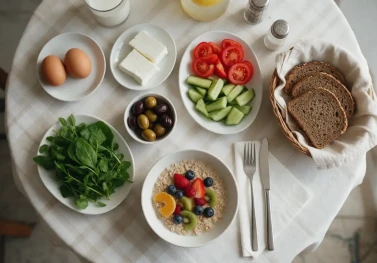
The safe way to lose weight while breastfeeding is to go without rushing and without skipping meals: in the first weeks after birth, focus on regular, nourishing meals rather than a diet, and after your doctor's approval, aim for gradual weight loss in small steps. Very low-calorie diets can put a strain on both your energy and your milk supply.
It is completely natural to look in the mirror after birth and think, "When will I get back to how I was?" In this period, though, your body is both repairing from the strain of birth and making milk for your baby. Below, I explain step by step how you can balance the wish to lose weight with the needs of breastfeeding.
- The first weeks after birth are a time of recovery; wait for your doctor's approval before restricting calories.
- While breastfeeding, the aim is slow, steady weight loss, not fast; crash diets and skipping meals are not recommended.
- A plate with protein, high-fibre carbohydrate, vegetables and healthy fat at every meal provides both fullness and energy.
- Drinking water as you feel thirsty, taking chances to sleep and moving with your doctor's approval support the process.
- If you have extreme weakness, dizziness, a marked fall in your milk supply or a sinking mood, see your doctor.
When Should You Start Trying to Lose Weight After Birth?
The right time for a weight-loss plan is when your doctor tells you at your postnatal check that your recovery is on track. This check is often done between weeks 6 and 8 after birth; after a caesarean or a difficult birth, it may take longer.
In the first weeks, because the baby, the placenta and excess fluid leave the body at birth, you will already see a noticeable drop on the scales. In this period the aim is not to force weight loss, but to give the body enough fuel for wounds to heal, for blood loss to be made up and for breastfeeding to settle in.
It is also normal for all the weight gained in pregnancy not to go within a few months. For many women this process takes months and varies from person to person. Not comparing yourself with other mothers or with "postpartum" images on social media is the healthiest way to protect your motivation.
Why Should You Not Lose Weight Fast While Breastfeeding?
Because breastfeeding is a process in which the body uses energy and nutrients all day long, and eating too little can upset this balance. A harsh calorie restriction can cause tiredness, dizziness and irritability for the mother, and in some mothers it can also affect milk production.
In fast weight loss, muscle tissue is lost as well as fat. In the postnatal period, carrying the baby, breastfeeding and sleepless nights already bring a physical load, and muscle loss makes weakness worse. So for breastfeeding mothers the aim is slow but steady progress over weeks.
In my work, the mistake I see most often is eating almost nothing during the day and then facing intense hunger in the evening. This cycle makes weight loss harder and makes it easier to turn to sweets and ready-made snacks.
What Should a Breastfeeding Mother's Plate Look Like?
A breastfeeding mother's plate should contain protein, high-fibre carbohydrate, plenty of vegetables and a small amount of healthy fat at every meal. This pattern helps keep blood sugar steady and helps you feel full for longer, and while it supports gradual weight loss it leaves enough energy for feeding your baby.
| Part of the plate | Example foods | Why it matters |
|---|---|---|
| Protein (about a quarter of the plate) | Eggs, chicken, well-cooked meat, fish, dried pulses, yoghurt, cheese | Supports tissue repair and fullness |
| High-fibre carbohydrate (a quarter) | Bulgur, oats, wholegrain bread, brown rice, potato | Spreads energy across the day |
| Vegetables and salad (half) | Seasonal vegetables, leafy greens, vegetables cooked in olive oil | Provide fibre, vitamins and minerals; help to prevent constipation |
| Healthy fat (a small amount) | Olive oil, walnuts, hazelnuts, avocado | Needed for fullness and for the absorption of fat-soluble vitamins |
| Milk and dairy products | Milk, yoghurt, ayran (a salted yoghurt drink), kefir, cheese | A source of calcium and protein |
For snacks, a handful of raw nuts with a piece of fruit, oats with yoghurt, or a slice of wholegrain bread with cheese are practical choices. Putting water and a ready snack within reach of where you breastfeed your baby is a simple way to avoid skipping meals.
Oily fish are a useful choice while breastfeeding too, but the NHS recommends that breastfeeding mothers do not eat more than two portions of oily fish a week. For the general principles of eating while breastfeeding, you can take a look at my guide on eating while breastfeeding.
Which Habits Support Weight Loss While Breastfeeding?
Regular mealtimes, enough fluid, as much sleep as possible and movement started with your doctor's approval are the four cornerstones of losing weight while breastfeeding. None of them has to be perfect; small, sustainable steps are enough.
- Fluid: You feel thirstier while breastfeeding. Keep a glass of water with you at every feed; light yellow urine is a good sign.
- Sleep: Lack of sleep affects the hormones that regulate appetite and can increase the wish for sweets and snacks. Resting while your baby sleeps can be a higher priority than housework.
- Preparation: Preparing a vegetable dish, boiled eggs, and cooked bulgur or dried pulses one day a week and keeping them in the fridge makes tired days easier.
- Movement: Once your doctor has given the go-ahead, walks with the pushchair are a good start. The American College of Obstetricians and Gynecologists (ACOG) recommends returning to exercise gradually after birth.
- Sugary drinks: Fruit juice, ready-made iced tea and fizzy drinks add a lot of energy without your noticing; water, ayran and plain water are better choices.
When following your progress, weighing yourself once a week, on the same day and at the same time, makes more sense than weighing every day. Because the amount of fluid in the body can change during the day while breastfeeding, do not let small changes on the scales mislead you; how your clothes fit and your energy are indicators that are at least as valuable as the scales.
You can also read my article on losing the weight gained in pregnancy for the general approach to postnatal weight.
What Should You Avoid While Breastfeeding?
While breastfeeding, you should avoid crash diets, slimming teas and supplements with unclear contents, alcohol and too much caffeine. Some of these products can pass into milk or cause fluid loss, and so can affect both the mother and the baby.
- Detox and slimming teas: Their laxative and diuretic effects increase fluid loss; the drop on the scales is not fat loss.
- Single-food diets: Living only on soup, fruit or liquids creates a gap in protein, iron and calcium.
- Caffeine: A small amount of caffeine passes into milk; the NHS recommends keeping coffee, tea, cola and energy drinks limited while breastfeeding.
- Alcohol: Alcohol is not recommended while breastfeeding; take your doctor's advice on this.
Do not decide on vitamin and mineral supplements on your own. Which supplement suits you should be decided by your doctor, according to your blood values and the way you eat.
Is Eating Different After a Caesarean or a Difficult Birth?
The basic principles are the same, but after a caesarean or a birth with a lot of blood loss, recovery can take longer, so calorie restriction is started later. In this period sources of protein, iron and vitamin C for wound healing take priority.
Eating red meat, eggs, dried pulses and dark green leafy vegetables with foods containing vitamin C (tomatoes, peppers, oranges) helps iron absorption. Because painkillers and inactivity can cause constipation, plenty of vegetables, wholegrains and water are also particularly important in this period.
If you had gestational diabetes, high blood pressure or anaemia in pregnancy, you need to review your postnatal eating plan with your doctor. These conditions can change the pace and content of a weight plan.
When Should You See Your Doctor or Dietitian?
If you have extreme weakness, dizziness, a marked fall in your milk supply, your baby is not gaining enough weight, or you have a long-lasting low mood and anxiety, see your doctor without delay. Postnatal depression is treatable, and asking for help is very important.
If you have a weight-loss goal, it is possible to put together a plan that suits you by looking at your breastfeeding, your sleep and your health history together. In this process we can work together, face to face or online, through nutrition counselling while breastfeeding. You can also take a look at the article on habits that support your milk supply.
Sources
- NHS – Breastfeeding and diet
- ACOG – Exercise After Pregnancy
- ACOG – Breastfeeding Your Baby
- WHO – Breastfeeding
This article is for general information only; please consult your doctor and dietitian about your own situation.
Frequently Asked Questions
When can I start a diet after giving birth?
The first weeks after birth are a time for the body to recover; during this time, regular and nourishing meals take priority over restricting calories. After your doctor tells you at your postnatal check that your recovery is on track, you can talk to your dietitian about a gradual weight plan.
Does breastfeeding speed up weight loss?
Breastfeeding uses extra energy and can support weight loss in some mothers, but this is not the same for everyone. Factors such as increased appetite, lack of sleep and inactivity can change the outcome, so breastfeeding should not be seen as a weight-loss method on its own.
Does skipping meals while breastfeeding affect the amount of milk?
An occasional delayed meal does not cause a major problem, but regularly skipping meals and eating a very low-calorie diet can affect both the mother's energy and her milk supply. A pattern of 3 main meals through the day and 1 or 2 snacks as needed is a safer routine.
Why does weight around the tummy take longer to go after birth?
During pregnancy the abdominal muscles and skin stretch, and it takes weeks for the womb to return to its previous size. Change in this area takes time, and targeted slimming through eating alone is not possible. Regular movement started with your doctor's approval, together with balanced eating, supports the process.
Can I use detox teas or slimming products while breastfeeding?
The ingredients of these products are often unclear, and some herbs can pass into milk or cause fluid loss. Always talk to your doctor before using any tea, supplement or product while breastfeeding.
Book an appointment for a personalised pregnancy nutrition plan
Nutritional needs in pregnancy change with the week of pregnancy, weight change and test results. Message us for a plan that fits your doctor's advice.

This content is for information only. For a personalised nutrition programme, please consult a dietitian.