What Is Gluten?
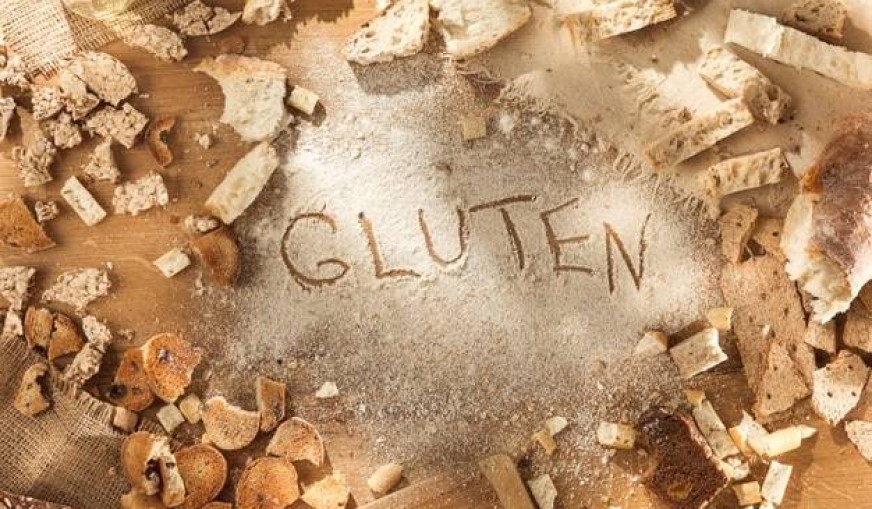
Gluten is the name of a protein found in many grains. It gives grains their elasticity.
What Is Gluten-Free Eating?
It is an eating pattern in which foods containing gluten are left out of the diet.
What Are Gluten Intolerance and Sensitivity?
Intolerance occurs when the body cannot digest a component of food. When gluten antibodies are measured, about 20% of the population shows some sensitivity. However, this sensitivity does not cause complaints in everyone, and it can fade over time. In a more serious gluten allergy or in coeliac disease, on the other hand, the immune system treats gluten as a foreign invader and attacks it. Unlike gluten intolerance, whose cause is unknown, coeliac disease is lifelong and a chronic condition.
How Can Gluten Intolerance or Coeliac Disease Be Recognised?
Coeliac Disease
In children it may show up as:
- Abdominal pain
- Bloating, diarrhoea, irritability
- Reduced appetite, difficulty gaining weight
- Frequent illness
- Delayed growth and development
In adults it may show up as:
- Bloating
- Loss of muscle
- Anaemia
- Abnormal stools
- Diarrhoea, bloating, gas
- Joint pain
- Itching and mouth ulcers
These symptoms can have many causes, so if you notice them, please see your doctor for proper assessment.
Which Foods and Drinks Are Gluten-Free?
Milk and dairy products, plain meat, chicken, turkey, eggs, potatoes, all vegetables and fruit, buckwheat, corn, rice, quinoa, breads and products made from the flours of these, and pulses are all gluten-free.
What Are the Benefits of Gluten-Free Eating?
For people with coeliac disease, eating gluten-free is a necessity. Symptoms ease and damage to the small intestine heals when gluten is avoided. But only about 1% of the population has coeliac disease, so does a gluten-free diet help healthy people too?
Because gluten-free eating removes a whole food group, it is sometimes used for a very short period by people who feel stuck at a weight plateau or feel particularly puffy and bloated.
However, we are not aware of any study showing that following this diet in the long term is beneficial. Besides making it harder to feel full, the starch and simple carbohydrate content of the diet can unintentionally rise, which may upset insulin balance.
Even in gluten intolerance, glyphosate should now be questioned as well.
What to Watch for When Eating Gluten-Free
When eating gluten-free, besides avoiding foods that contain gluten, you need to watch for hidden gluten. The ingredients of every food should be checked: the breadcrumb coating on crumbed chicken, the flour in soups, the bread in meatballs and so on.
Why Is a Dietitian's Support Important?
A dietitian can play an important role in the pathway to a coeliac disease diagnosis. Dietitians usually spend more time with clients than other health professionals when asking about nutrition and taking a history. By asking the right questions in detail, they may raise a concern about coeliac disease even when others have not suspected it, and refer the person to a doctor for testing. Afterwards, they help with learning about all foods and choosing what to eat until the education is complete.
This article is for general information only; please consult your doctor and dietitian about your own situation.
Book an appointment for a personalised nutrition plan
The information in this article is general; what you need depends on your age, health and goals. Message us and we will build the plan that suits you together.

This content is for information only. For a personalised nutrition programme, please consult a dietitian.