Constipation is a very common digestive problem that can greatly affect the comfort of daily life. It can arise for many reasons, so there are many different ways and suggestions for preventing constipation.
 WHAT IS CONSTIPATION?
Constipation is a digestive problem in which the body cannot carry out digestion as it should. It is not a disease in itself but a sign of an underlying condition. It is also called constipation in medical terms.
Constipation occurs when bowel movements slow down. As a result, stools harden and become harder to pass. When food moves more slowly through the digestive system, the bowel absorbs more fluid, and constipation follows. Opening the bowels fewer than 3 times a week is defined as constipation.
It does not usually cause very serious health problems, but it can seriously reduce quality of life.
 WHAT ARE THE SYMPTOMS OF CONSTIPATION?
Symptoms of constipation vary from person to person. The most common ones are:
- A feeling that the bowel has not emptied completely after a bowel movement
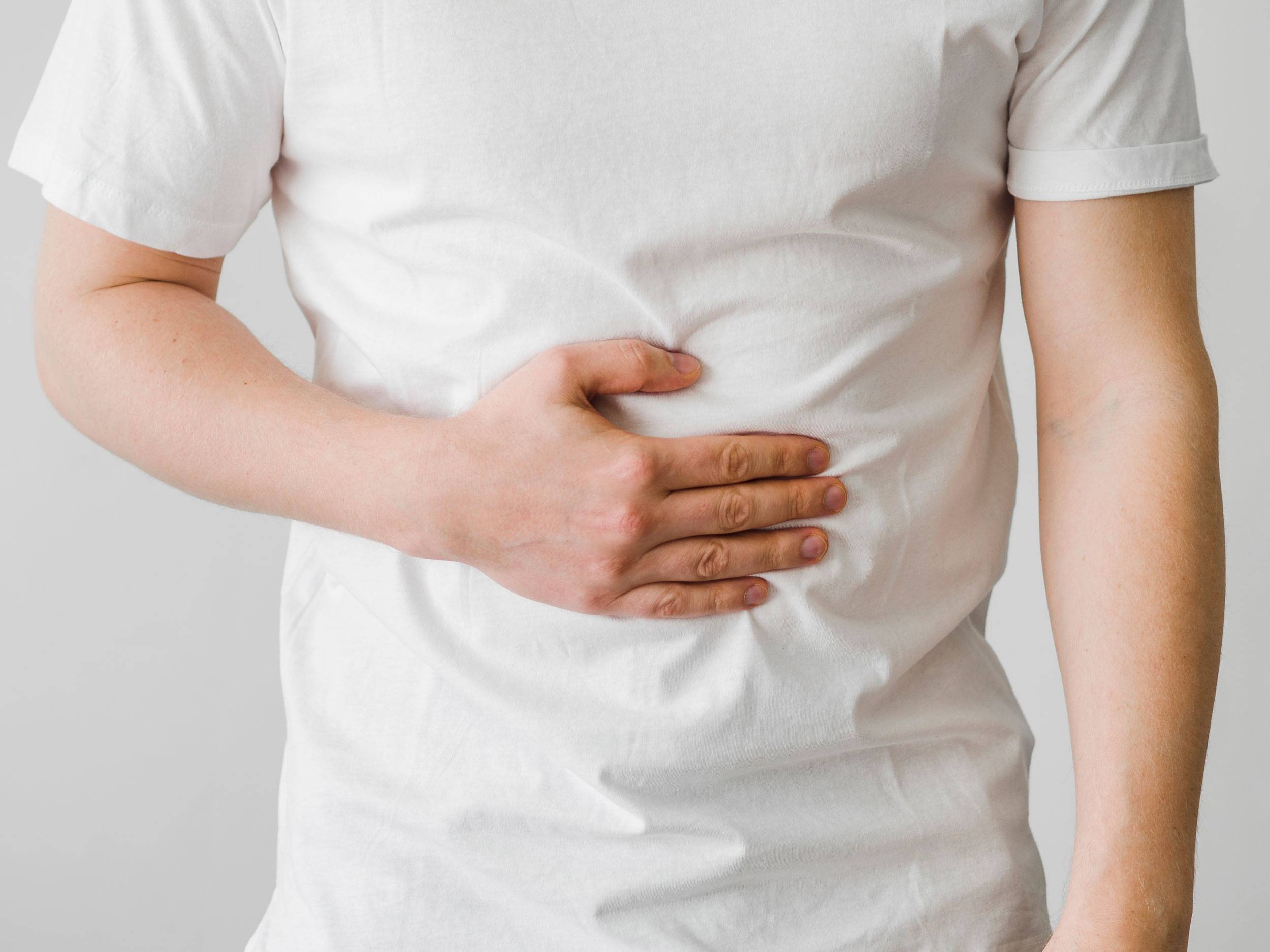
- Bloating in the abdomen
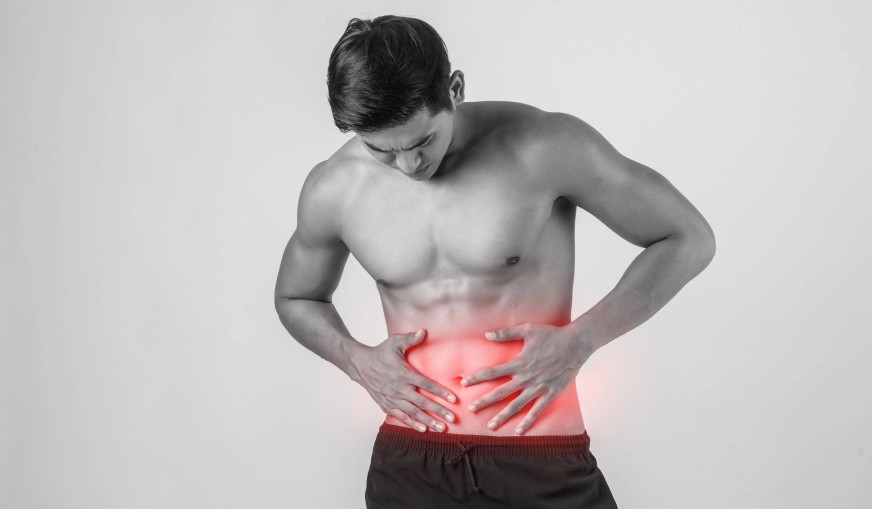
- Abdominal pain
- Pain or difficulty when passing stools
- Reduced bowel movements
- Opening the bowels fewer than three times a week
- Hard or small, pellet-like stools
CAUSES OF CONSTIPATION
Constipation can arise from many causes.
- Changes in lifestyle
- Travel
- Not moving enough
- Changes in eating routine
- Not drinking enough water
- Not eating enough fibre
- Eating too many dairy products
- Not responding to the urge to go to the toilet straight away, or holding it in or putting it off
- Sitting for long hours while working
- Use of some painkillers, iron supplements and antidepressants
- Long-term or excessive use of antacids
- Pregnancy, because of hormonal changes
- Before or during the period
- A slower metabolism
- Psychological issues such as stress and depression
- Eating disorders
- Problems with the nerves and muscles in the digestive system
WHAT CAN BE DONE TO PREVENT CONSTIPATION?
- Drink Plenty of Water and Eat Water-Rich Foods: Water is one of the best ways to help prevent constipation and ease it. In constipation, because the bowel and the movement of food through it slow down, the bowel absorbs more fluid than usual, and absorbing too much fluid contributes to constipation. This is why drinking plenty of water is so important.
To help prevent constipation, you should drink your daily water requirement, and if you are constipated you may need to drink a little more than that. When fluid intake is adequate, the bowel tends to work normally.
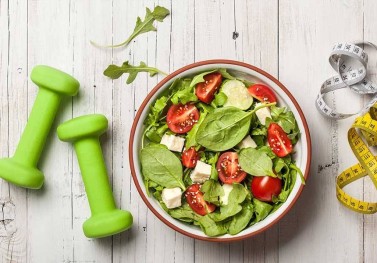
- Include Fibre-Rich Foods in Your Diet: Fibre-rich foods help regulate bowel movements. They also increase stool volume and help keep stools soft. Fibre-rich foods can help prevent constipation and support recovery when it occurs. They can also help normalise stool consistency in diarrhoea.
- Make an Effort to Move More: A sedentary lifestyle can cause you to run into constipation more often. Exercise supports your body's functions and your digestive system. Even daily walks, rather than an intensive exercise programme, can help prevent constipation. It is better to exercise 1 hour before meals or 2 hours after them, rather than straight after eating.
- Help Your Digestive System by Chewing Food Well: The more you chew your food, the less work your digestive system has to do. Making a habit of chewing each mouthful at least 20 times can help prevent constipation. Chewing well also helps you keep your appetite in check.
- Limit Your Tea and Coffee: Drinking a lot of tea and coffee in daily life can contribute to constipation. Although coffee is thought to relieve constipation, for some people it can have the opposite effect, because caffeine can draw fluid out of the stool and make it harder. If you are constipated, it may help to cut down on coffee and tea.
If constipation lasts a long time or comes with pain, blood in the stool or unexplained weight loss, please see your doctor. This article is for general information only; please consult your doctor and dietitian about your own situation.
Book an appointment for a personalised nutrition plan
The information in this article is general; what you need depends on your age, health and goals. Message us and we will build the plan that suits you together.

This content is for information only. For a personalised nutrition programme, please consult a dietitian.