

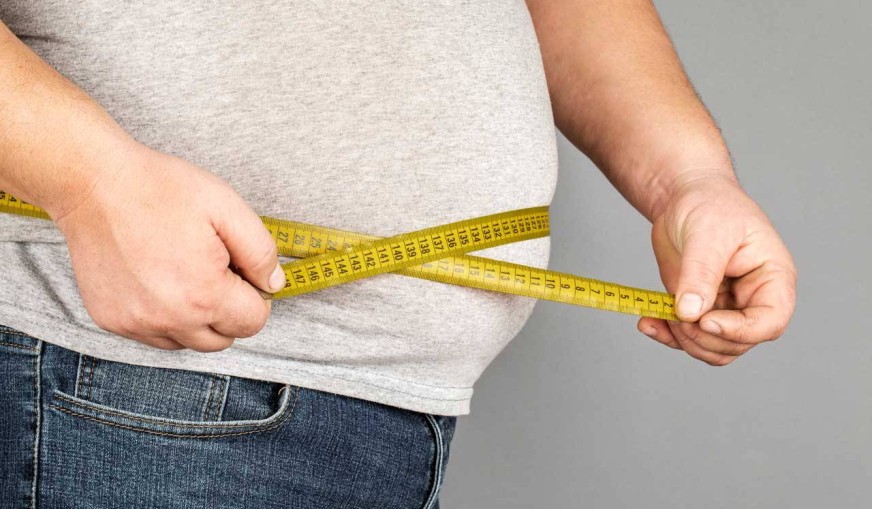
Obesity is one of the most common health conditions of the modern age, as unhealthy eating habits have increased in recent years in particular. Obesity is a serious health issue because it plays a role in the development of many acute and chronic conditions.
What Is Obesity?
Obesity is a condition in which the amount of fat mass in the human body is much higher than lean mass, which includes components such as bone, muscle and water.
Excess body fat is among the main factors in many chronic conditions, such as insulin resistance and diabetes. For this reason it is best addressed with a weight-management eating plan and supportive practices, together with your doctor.

What Are the Signs of Obesity?
The most basic sign of obesity is excessive accumulation of body fat. Complaints that may accompany it include:
- Back and joint pain
- Getting tired quickly
- Psychological difficulties and reduced self-esteem
- Shortness of breath
- Snoring and sleep apnoea
- Sweating
- Skin problems
What Are the Risk Factors?
The risk factors for obesity are as follows:
Environmental Risks: Because of busy working life today, physical activity is often limited. Spending long hours at a computer or in front of the television also means being inactive during the day. So try to take regular walks every day, even short ones. If you can, you can also do regular fitness exercise.
Nutrition: Taking in far more calories than are used during the day is the primary cause of obesity. So pay attention to the number of calories taken in daily or weekly.
Genetic Factors: A child born to parents who are both overweight also has a higher risk of obesity. However, genetic factors are not as influential as environmental factors.
Hormones: Conditions affecting the adrenal glands or the thyroid, and diabetes, can contribute to obesity.
How Is the Degree of Obesity Determined?
The degree of obesity is determined by calculating the body mass index (BMI). When you divide your weight by the square of your height (kg/m²), the result indicates whether you are overweight or obese.
BMI results are read as follows:
- Below 18.5 kg/m²: Underweight
- 18.5 - 24.9 kg/m²: Normal weight
- 25 - 29.9 kg/m²: Overweight
- 30 - 39.9 kg/m²: Obese
- 40 kg/m² and above: Severely obese (morbid obesity)
How Does Nutritional Support Work in Obesity?
The first approach in obesity is usually a weight-management eating plan, in other words nutritional support. Unless there is another underlying cause, obesity is often linked with eating patterns.
Obesity develops when daily calorie intake is too high and less energy is used than is taken in. So in a weight-management eating plan, the sources of calories and how often they are eaten should be personalised.
The aim of an eating plan should not be to follow a written list to the letter, because in the long term that can cause stress and lead to eating more. It is important to prepare a plan that the person can flex, swap items in, sustain and, most importantly, make part of their lifestyle, because healthy eating and a healthy lifestyle should continue after weight is lost.
Before starting nutritional support for obesity, the necessary tests should be done through your doctor, and a plan prepared according to the results. Get help from nutrition specialists, because diets you follow on your own can lead to more weight gain and leave you feeling unhappy.
After you start your plan, include sport in your life too. In the beginning, short exercise sessions make it easier to get used to the process and avoid pushing yourself too hard. Throughout this process, your biggest supporters will be a nutrition specialist, your doctor and a fitness instructor.
This article is for general information only; please consult your doctor and dietitian about your own situation.
Book an appointment for a personalised nutrition plan
The information in this article is general; what you need depends on your age, health and goals. Message us and we will build the plan that suits you together.

This content is for information only. For a personalised nutrition programme, please consult a dietitian.


