

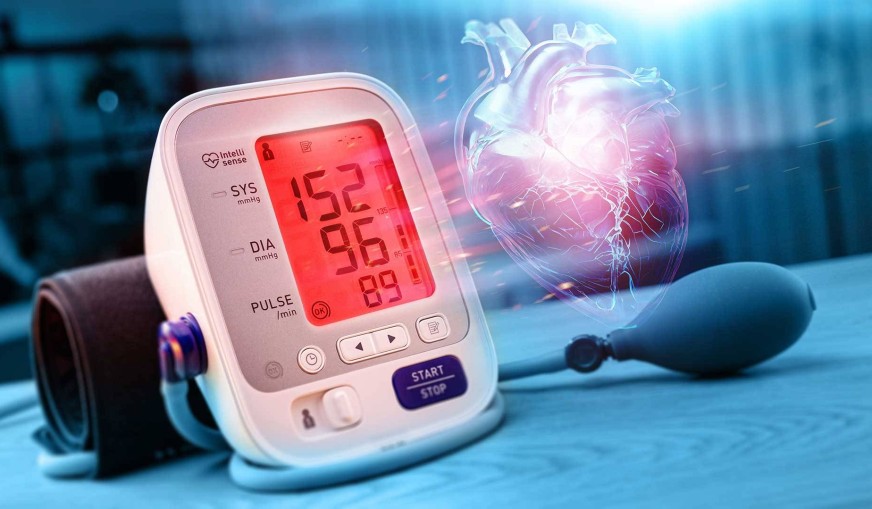
Hypertension, or high blood pressure, is a major health problem worldwide and can lead to serious complications such as heart disease, stroke and kidney failure. High salt intake can raise the risk of hypertension, which makes it an important risk factor for health.
Salt and Hypertension: The Basic Link
Salt is an important part of our daily diet and is needed for body functions. However, eating too much salt can raise blood pressure and the risk of hypertension. Most salt intake comes from processed foods and ready meals, which are high in salt. High salt intake can cause the blood vessels to narrow and blood pressure to rise.
Healthy Salt Intake
The daily salt intake recommended by the World Health Organization (WHO) is 5 grams for an adult. However, many people eat far more salt than this. To reduce your daily salt intake, it is important to limit processed foods and salty snacks, use less salt when cooking at home, and check food labels.
The Harms of High Salt Intake
As well as raising the risk of hypertension, high salt intake can contribute to a number of health problems. They include:
- Heart disease: a high salt intake can raise the risk of heart disease. High blood pressure puts extra stress on the heart muscle and can raise the risk of heart failure.
- Stroke: high salt intake can raise the risk of stroke. High blood pressure can lead to plaque build-up in the blood vessels and the formation of blood clots, which raises the risk of stroke.
- Kidney failure: a high salt intake can make the kidneys work harder and can raise the risk of kidney failure.
- Bone health: excessive salt intake can affect bone health negatively. A high salt intake can cause calcium to be lost from the body, which can lead to weaker bones and a higher risk of osteoporosis.
Foods High in Salt and What to Watch For
Some foods that are high in salt are:
- Processed meats: processed meats such as salami, sausages and pastirma (Turkish cured beef) are generally high in salt.
- Ready-made soups and soup mixes: ready-made soups, soup mixes and tinned soups are generally high in salt.
- Tinned and ready meals: foods such as tinned vegetables, ready meals and fast food are generally high in salt.
Other Risk Factors for Hypertension
While high salt intake raises the risk of hypertension, many other factors can also contribute to the development of this condition. Some common risk factors are:
- Obesity or excess weight
- An inactive lifestyle
- Drinking too much alcohol
- Stress and high stress levels
- Smoking
Keeping these risk factors under control can reduce the risk of hypertension and also improve general health. Healthy habits such as a balanced diet, regular exercise, avoiding stress and not smoking are important for looking after heart health.
Reducing Salt Intake
Some points to pay attention to in order to limit foods high in salt in your diet are:
- Check food labels: you can see the salt content by checking food labels. This lets you avoid foods that are high in salt.
- Cook at home: cooking at home lets you control how much salt you use. By cutting down the amount of salt when you cook, you can build a healthier eating habit.
- Do not add salt: avoid putting salt on the dining table. You can use different spices and herbs to add flavour to your food.
There are also healthy alternatives for cutting down on salt. Foods rich in potassium can help regulate blood pressure. Examples of foods rich in potassium are bananas, avocado, potatoes and spinach. If you have kidney problems or take blood pressure medicines, ask your doctor before changing the potassium in your diet.
High salt intake raises the risk of hypertension and can lead to serious health problems. It is important to keep to an appropriate salt intake for a healthy life. To cut down on salt, it is important to avoid processed foods, check food labels and build healthy eating habits. It is also important to adopt healthy habits such as a balanced diet, regular exercise and avoiding stress to reduce the risk of hypertension. These steps are helpful for looking after heart health and can support general health.
This article is for general information only; please consult your doctor and dietitian about your own situation.
Book an appointment for a personalised nutrition plan
The information in this article is general; what you need depends on your age, health and goals. Message us and we will build the plan that suits you together.

This content is for information only. For a personalised nutrition programme, please consult a dietitian.


