

While cooking techniques make food tasty and nutritious, some techniques can lead to nutrient losses or other health concerns. For a healthy diet it is therefore very important to think about how food is cooked.
Why Do Cooking Techniques Matter in a Healthy Eating Plan?
In a healthy eating plan, cooking techniques matter for keeping the nutritional value of food and for avoiding the formation of harmful compounds, because cooking methods affect the nutrient content of foods. Unsuitable cooking methods can also lead to harmful compounds forming in food.
Healthy cooking methods include boiling, steaming, grilling, simmering and baking. These methods reduce the use of fat and salt while helping preserve the nutrients and flavour of food.
In short, a healthy eating plan is about how we cook as well as which foods we eat, so using the right techniques is important.
What Are the Effects of Cooking Techniques on Food?
Cooking techniques have a significant effect on the nutritional value, taste and quality of food. The effects of commonly used cooking techniques are as follows:
- Boiling: This method helps keep the nutrients in food and lowers calorie intake by reducing the use of fat. However, food may lose some flavour and aroma.
- Simmering (cooking over a low heat): This method helps retain the nutrients, flavour and aroma of food.
- Steaming: This method helps retain the nutrients, flavour and aroma of food.
- Frying: Makes food tasty and crisp. However, it should be remembered that fried foods are high in calories, saturated fat and trans fat, so frying is best kept occasional.
- Grilling: Grilling cooks food at high temperature, making it tasty and crisp. It also lowers calorie intake by reducing the use of fat. However, heavily charred food may contain compounds that are best limited.
- Microwave: Microwave cooking uses electromagnetic waves to cook food. It cooks food quickly, though it can change the taste, aroma and quality of food.
What Are the Healthy Cooking Techniques for Pulses?
Pulses are a healthy food source, especially because they are rich in protein, fibre, vitamins and minerals. However, unsuitable cooking methods can cause nutrient losses in pulses and make them harder to digest.
Healthy cooking techniques for pulses are:
- Boiling: Boiling pulses is one of the healthiest cooking methods.
- Baking: A healthy cooking method that brings out the flavour of pulses while retaining their nutrients.
- Slow cooking: Slow cooking methods include using a slow cooker and simmering in a pot over a low heat.
Soaking pulses before cooking helps make them easier to digest.
What Are the Healthy Cooking Techniques for Meat?
Meat is a rich source of protein, iron, zinc and other nutrients. Cooking techniques that can help keep these nutrients are:
- Steaming: Steaming meat is a healthy cooking method.
- Grilling: Grilling brings out the flavour of meat while letting the fat drip away, so it is regarded as a healthy cooking method. Cooking at very high heat, however, can burn the meat and form compounds that are best limited.
- Simmering in a pot: This method helps you prepare a tasty and nourishing meal by using the lean part of the meat and cooking at a low temperature.
- Baking: Baking helps keep meat tasty and wholesome.
- Marinating: Marinating meat brings out its flavour and can shorten cooking time. Marinating helps keep the meat's natural moisture and improves taste. However, using too much sugar and salt in a marinade is not good for health.
What Are the Healthy Cooking Methods for Vegetables?
Vegetables are the most important part of healthy eating. They keep the most nutrients when eaten raw. However, eating some vegetables raw can make them harder to digest and can reduce the absorption of some vitamins and minerals, so some vegetables need to be cooked.
Healthy cooking techniques for vegetables are:
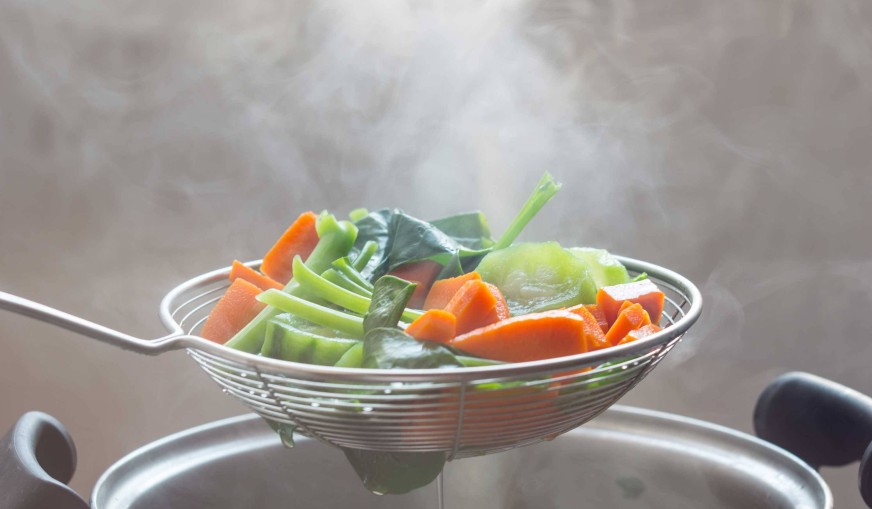
- Steaming: Steaming vegetables helps keep their vitamins and minerals. It also keeps vegetables tasty.
- Blanching: Cook vegetables in boiling water for a few minutes and transfer them straight to cold water. This method keeps the flavour and nutrients of vegetables.
- Stir-frying in a wok: Cooking vegetables in a wok lets them cook quickly and keep their flavour. A wok is a high-heat cooking method designed to preserve the natural taste of vegetables.
- Baking: You can cut vegetables into small pieces and bake them tossed in a low-fat dressing. This method keeps the nutrients in vegetables and makes them more appealing.
This article is for general information only; please consult your doctor and dietitian about your own situation.
Book an appointment for a personalised nutrition plan
The information in this article is general; what you need depends on your age, health and goals. Message us and we will build the plan that suits you together.

This content is for information only. For a personalised nutrition programme, please consult a dietitian.


