

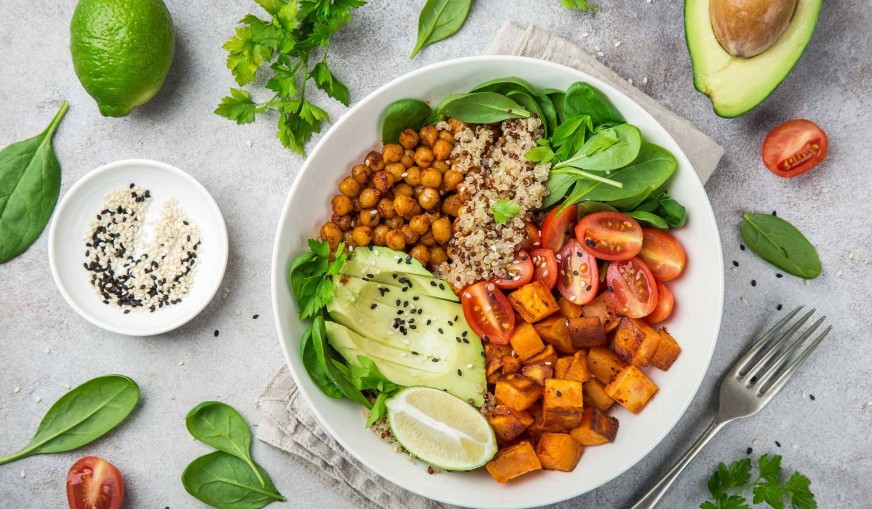
Vegan nutrition is an eating style that has grown in popularity in recent years. In a vegan diet people avoid animal-based foods and eat only plant-based foods. There are concerns, however, about whether enough protein can be taken in with this way of eating.
What Is Vegan Nutrition?
Vegan nutrition is a way of eating that excludes animal-based foods. People who follow it do not eat meat, fish, dairy products, eggs, honey and other animal-derived foods. Instead they eat only plant-based foods. These include fruit, vegetables, grains, pulses, nuts, seeds and soya products.
Protein Needs in a Vegan Diet
Protein is an important nutrient for the human body, because it plays a key role in muscle and tissue development and provides energy.
Protein is plentiful in animal-based foods. In a vegan diet, since animal-based foods are not eaten, plant-based proteins need to be eaten to meet protein needs.
How Can Enough Protein Be Taken In?
In a vegan diet, a few factors matter for getting enough protein. First, protein-rich plant-based foods need to be eaten regularly. There are many types of these, such as pulses, soya products, seeds, nuts, grains and green leafy vegetables.
Second, vegans need to eat enough food overall to meet their protein needs. Getting enough calories matters in a vegan diet, because protein needs are also related to calorie intake.
Finally, in some cases vegans may need supplements to meet their needs. These can include soya protein powder, pea protein powder, plant protein blends and vitamin B12 supplements. Vitamin B12 in particular is not found in plant foods, so it is worth discussing with your doctor and dietitian whether you need a supplement.
Protein Sources for a Vegan Diet
Plant-based protein sources that people following a vegan diet can eat are as follows:
- Pulses: Pulses are an important protein source in a vegan diet. Pulses such as beans, chickpeas, lentils and peas contain important nutrients such as protein, fibre and iron. You can eat pulses in salads, soups or a variety of dishes.
- Soya products: Soya products are among the best protein sources in a vegan diet. Soya products such as soya beans, tofu, soya milk and tempeh contain a high amount of protein. These foods also provide healthy fats and fibre.
- Seeds and nuts: Seeds and nuts are known as rich sources of protein and healthy fats. Seeds and nuts such as almonds, hazelnuts, walnuts, pumpkin seeds and chia seeds can be eaten in salads or other dishes.
- Grains: Grains are an important protein source in a vegan diet. They are also rich in fibre and vitamins, so they should be a part of the eating plan. Grains such as quinoa, bulgur (cracked wheat), brown rice, oats and barley can be added to meals or salads.
- Vegetables: Vegetables are perhaps among the lowest sources of protein, but they do contain some. Green leafy vegetables in particular, for example spinach and broccoli, are a useful protein source for vegans.
A vegan diet can provide enough protein when it is well planned, because plant-based foods can supply the protein, fibre and other important nutrients that vegans need. Vegans can draw on many protein sources such as pulses, soya products, seeds, nuts, grains and green leafy vegetables. However, a vegan diet takes more effort to get enough protein, especially for athletes and people who do heavy physical activity.
Vegans can maintain a healthy vegan diet by eating the right foods and, where needed, using supplements. Regular check-ups with your doctor are important with this way of eating, and where needed a personal eating plan should be prepared by a specialist.
This article is for general information only; please consult your doctor and dietitian about your own situation.
Book an appointment for a personalised nutrition plan
The information in this article is general; what you need depends on your age, health and goals. Message us and we will build the plan that suits you together.

This content is for information only. For a personalised nutrition programme, please consult a dietitian.


