In short: Quinoa is the seed of a plant from the same family as spinach; it is eaten like a grain but contains no gluten. 100 grams of raw quinoa provides roughly 12-16 grams of protein and supplies all the essential amino acids. It is also a good source of fibre, magnesium and iron. It can be used alternately with bulgur (cracked wheat) and rice, and portion control still matters.
Quinoa is called a "super grain" because of its rich content. Its high protein content has also made it an increasingly popular food. Nutritious and versatile, quinoa also features often in eating plans.
WHAT IS QUINOA?

Quinoa is the seed of the Chenopodium quinoa plant. Its high starch content is why it is grouped with the grains, but it is not a cereal. This plant is from the same family as spinach and beetroot, and its seeds come in black, red or white depending on growing conditions.
Besides being high in fibre and protein, it is also rich in vitamins and minerals, which makes it a very nutritious food. Because it is gluten-free, it can also be eaten by people with gluten sensitivity or coeliac disease.
TYPES OF QUINOA
The seeds of quinoa differ according to the altitude, aspect and soil type where they grow. There are three main types of quinoa, black, white and red, but abroad there are 9 types in total, including orange and multicoloured.
Black Quinoa
Black quinoa compares favourably with white quinoa in nutritional value. In particular it has about twice as much vitamin E. It also has the highest antioxidant content, the lowest fat content of the quinoa types and the strongest flavour.
Red Quinoa
Also known as Inca quinoa. It is richer in protein, iron, calcium and phosphorus than the other types. It has a higher antioxidant content than white quinoa and matches black quinoa for vitamin E.
White Quinoa
Has a milder taste than black and red quinoa. It is also the quickest-cooking type of quinoa, which is why the white type is often chosen.
HOW IS QUINOA USED?
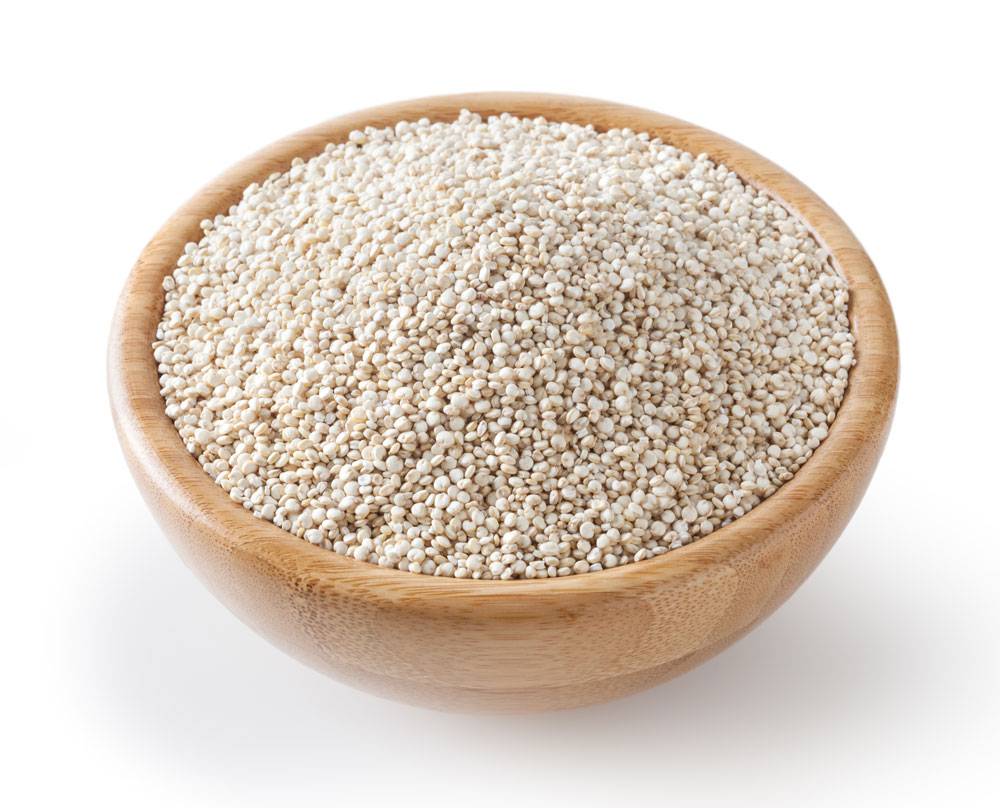
Quinoa has its own distinctive aroma. It is a tasty, light food and can be used in any dish where bulgur or rice is used. It can be added to meals as a side, used in soups and eaten as a pilaf. Boiled quinoa can also be used in salads.
BENEFITS OF QUINOA
- Quinoa is a complete protein. It contains all the amino acids the body needs. It is also a lighter protein source than animal sources that are high in cholesterol and fat. This makes quinoa especially valuable for vegetarians.
- It does not contain gluten, so people with coeliac disease and gluten sensitivity can eat it.
- Its high protein content helps keep you full for a long time, and its fibre helps avoid sharp swings in blood sugar. That is why it features often in eating plans. Eaten in controlled portions, it can be part of a plan for weight management.
- Quinoa contains more fibre than refined grains such as white rice, so it can support bowel regularity. It can also be a helpful food choice for people who are watching their blood sugar, together with their doctor's advice.
- It is quite rich in iron, so it can be included in an eating plan that aims to meet iron needs, alongside your doctor's guidance.
- Quinoa can support the body's energy supply as part of balanced eating, which may be helpful for people who feel low on energy.
- It contains a good amount of magnesium, a mineral involved in normal muscle and nerve function and in blood vessel function. Quinoa is one of the foods that helps support magnesium intake.
- Its antioxidant content is part of the protection that a healthy diet provides to the body's cells against the effects of free radicals.
- Eaten regularly as part of a balanced diet, it can help support heart-friendly eating, since it provides fibre and unsaturated fats.
However, quinoa cannot replace the bulgur grown in our country. In my professional opinion, bulgur will become much more valued once the world notices it. In the table below you can compare the nutritional values of the 3 types of quinoa and of bulgur.
In short, if you do not have gluten intolerance, bulgur can be chosen for its fibre content alone. If you have gluten sensitivity, or want to add variety to your diet, black quinoa is a good option.
NUTRITIONAL VALUES OF QUINOA
| Type | Energy | Carbohydrate | Protein | Fat | Fibre | Gluten |
| White quinoa | 392 kcal | 63.9 g | 16.2 g | 6.9 g | 3.5 g | Gluten-free |
| Red quinoa | 387 kcal | 66.9 g | 12.5 g | 6.3 g | 4.9 g | Gluten-free |
| Black quinoa | 356 kcal | 64.3 g | 14 g | 7.1 g | 7 g | Gluten-free |
| Bulgur (cracked wheat) | 342 kcal | 75.87 g | 12.29 g | 1.33 g | 18.3 g | Contains gluten |
*Nutritional values are for 100 grams, raw.
This article is for general information only; please consult your doctor and dietitian about your own situation.
Book an appointment for a personalised nutrition plan
The information in this article is general; what you need depends on your age, health and goals. Message us and we will build the plan that suits you together.

This content is for information only. For a personalised nutrition programme, please consult a dietitian.