

What Are Oats?
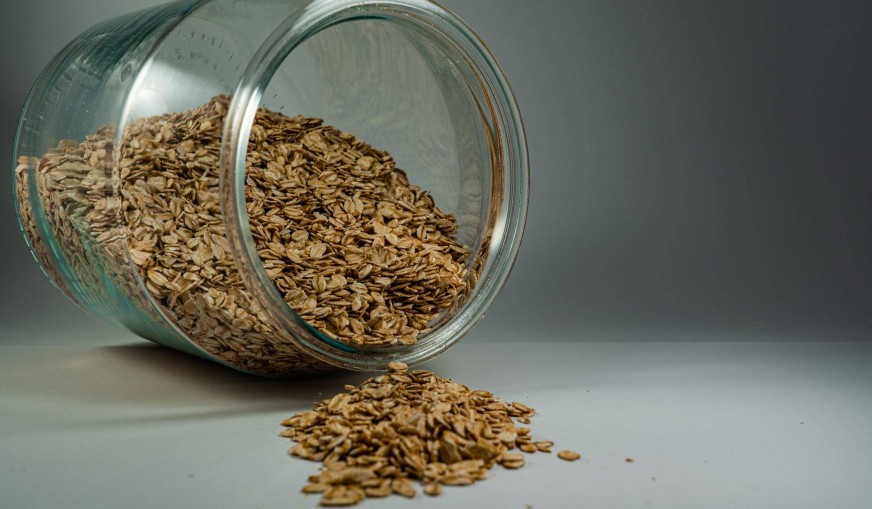
Oats are one of the more nutritious grain products, rich in vitamins and minerals. They are grown for their starchy grains. They are used mostly as animal feed, but they are also a very useful food that can be included in the human diet. They are rich in fibre and antioxidants. They contain a type of antioxidant called avenanthramide, which is found only in oats. This strong antioxidant is known for its potentially protective effect on heart health.
 What Are the Benefits of Oats?
Oats contain a high amount of a soluble fibre called beta-glucan, which is very beneficial for our health. They provide more soluble fibre than other grains, which can mean slower digestion and therefore more fullness. Beta-glucan in oats can form a gel-like solution even at low concentrations. Research has suggested that in this way it may lower cholesterol levels and increase bile acid production. Daily intake of oat beta-glucan has been linked with benefits for heart health, and in particular with lowering LDL, the so-called bad cholesterol, without affecting HDL, the good cholesterol.
Oats may be a helpful food in weight management. Thanks to their fibre content, they can increase fullness and so lower the calories taken in during the day. Water-soluble fibres such as beta-glucans delay stomach emptying and encourage the release of fullness hormones. Research has shown that oats can be quite effective at increasing fullness.
Feeling fuller may also have an indirect link to lowering the risk of type 2 diabetes. There are studies suggesting that eating oats regularly may improve insulin sensitivity. Research has suggested that the beta-glucan in oats may help regulate blood sugar. With beta-glucan intake, insulin release after a carbohydrate-rich meal may be regulated. These properties come from the thick gel layer formed by the beta-glucan in oats, which delays stomach emptying and absorption. People with diabetes should speak to their doctor and dietitian about how oats fit into their plan.
Oats contain a high amount of antioxidants. The most important of these is "avenanthramide", which is specific to oats. Avenanthramides are thought to increase nitric oxide production, which can help lower blood pressure, help widen blood vessels and regulate blood flow, and they have anti-inflammatory properties.
It is thought that solid foods given to babies at an early age may contribute to asthma and allergic conditions. But this is not true for every solid food. There are studies suggesting that oats given to a baby after the 6th month may play a role in lowering the chance of asthma to some degree. Please ask your paediatrician before introducing new foods to your baby.
What Is the Nutritional Value of Oats?
100 g of raw oats contains:
- 16.9 g of protein
- 66.3 g of carbohydrate
- 6.9 g of fat
- 10.6 g of fibre
- 389 kcal.
Carbohydrate makes up 66% of the dry weight of oats. The sugar content of oats from sucrose is very low, almost none. 85% of the carbohydrate comes from starch, while 11% comes from fibre.
The starch in oats is divided into 3 kinds.
- Rapidly digested starch makes up 7% of oats. This part is broken down quickly and absorbed by our body as glucose.
- Slowly digested starch makes up 22% of oats and is absorbed more slowly.
- Resistant starch makes up the largest share at 25%. It acts like fibre and feeds the beneficial bacteria in our gut, supporting gut health.
Oats contain between 7% and 11% protein by dry weight. This is more than most grains. 80% of the protein in oats comes from avenalin. It is a good-quality protein, similar to pulse proteins. The less abundant protein is avenin, which is similar to gluten. Like gluten sensitivity, people can develop avenin sensitivity. Although pure oats are technically gluten-free, gluten contamination can occur because of their closeness to wheat products during production. For this reason, if you have a gluten sensitivity, I recommend being careful with oats as well.
Oats are also quite rich in vitamins and minerals.
100 g of raw oats provides 246% of the requirement for manganese, which is useful for growth and metabolism.
It provides 52% of the requirement for phosphorus, which affects bone health and tissue repair.
It provides 44% of the requirement for magnesium, which has many roles in metabolism.
It provides 26% of zinc intake.
 How Should Oats Be Eaten According to How They Are Processed?
Oats can be processed by various methods, and their form changes to some degree depending on the method. The nutritional content does not change much with the processing method, but the digestion time, and with it the effect on blood sugar, can change. Less processed oats take longer to digest than heavily processed ones.
Whole-grain oats are called "oat groats". The outer husk of the oat is removed and an oat groat is obtained. They are hard to eat and take a long time to cook. For this reason, more processed forms are usually eaten.
Cutting the groat into pieces gives "cut oats". Because the cutting is done with steel, they can also be called steel-cut oats. Cut oats absorb more liquid than oat groats. Cut oats can be ground into even finer pieces, which increases their ability to absorb liquid further. The finely ground type is called Scottish oats or Irish oats.
"Oat bran" is obtained by grinding the outer layer removed from the oat groat. Oat bran is used in the Dukan diet. It is quite hard to digest. Its fibre content is very high, but because it is made only from the outer layer of the oat, it is not as nourishing as rolled oats. It can be added to smoothies made with fruit. It can be added in small amounts to breakfast cereals or to oat dishes. It can be used in bread making.
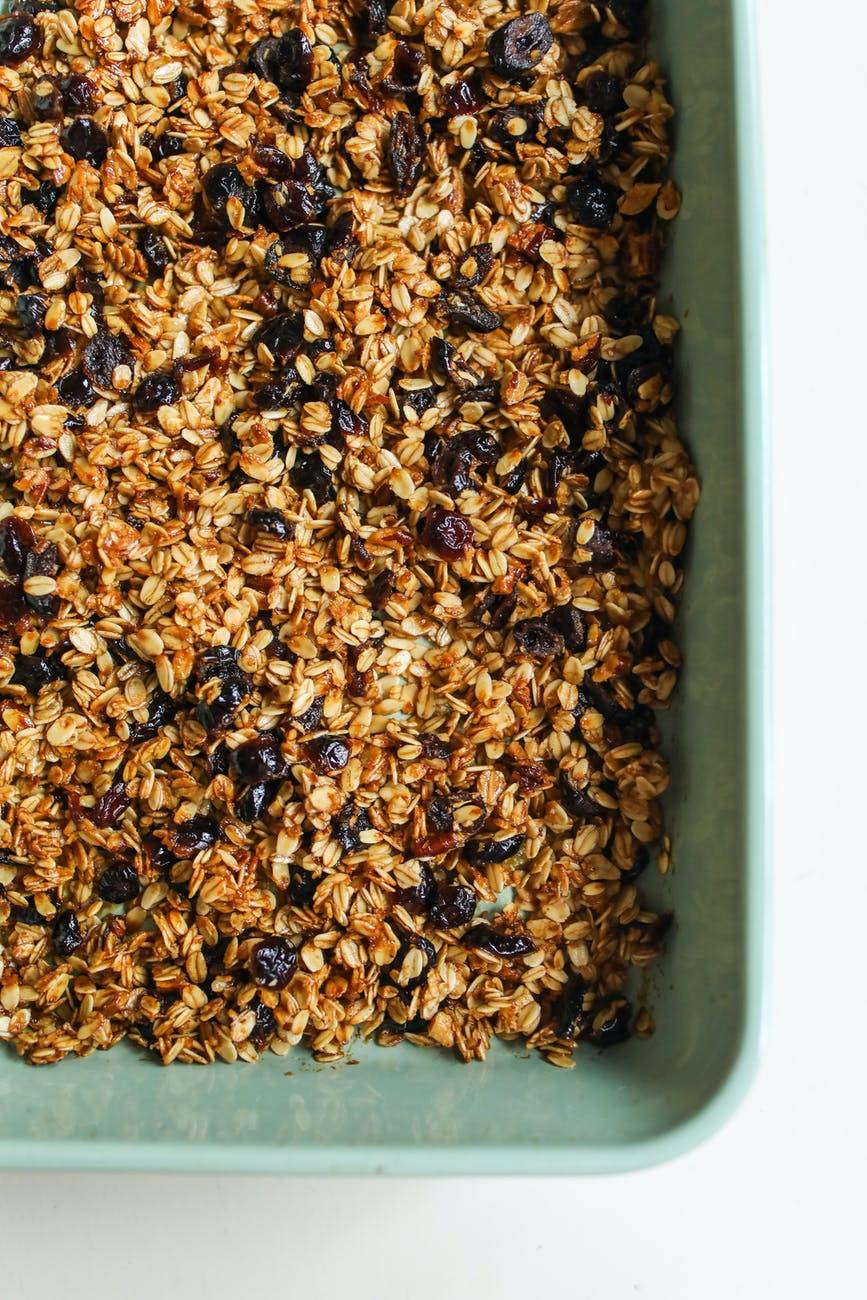
The type of oats we see most often in shops is "rolled oats". The oats are steamed briefly, then flattened and dried. They are ready to eat. We can eat rolled oats by cooking them directly with water or milk. Without cooking, the oats can be softened by leaving them in water or milk for a while and eaten cold. Because they are steamed during processing, rolled oats can be eaten raw. But eating them dry, without soaking them in liquid, may cause the oats to build up in the stomach or gut. This can result in indigestion and constipation.
Oats also contain phytic acid. Phytic acid binds to minerals such as iron and zinc and makes them harder to absorb. If oats are cooked with water or milk, or soaked overnight in liquid, the phytic acid content will fall. Cut or finely ground oats can absorb more liquid in a shorter time, so they can be prepared more quickly.
What About the Effect of Oats on Skin Health?
Oats are found in many skincare products. The makers of these products often list finely ground oats as "colloidal oatmeal". It is approved by the FDA as a skin-protecting ingredient. Thanks to the niacin, thiamine, selenium, copper and zinc it contains, it supports skin health. It is used to soothe dry, itchy and irritated skin, including in conditions such as eczema; please speak to your doctor or dermatologist about this. Here we are talking about oats applied to the skin, not eaten. These benefits can be had with homemade oat masks or creams containing colloidal oatmeal.
This article is for general information only; please consult your doctor and dietitian about your own situation.
Book an appointment for a personalised nutrition plan
The information in this article is general; what you need depends on your age, health and goals. Message us and we will build the plan that suits you together.

This content is for information only. For a personalised nutrition programme, please consult a dietitian.


