

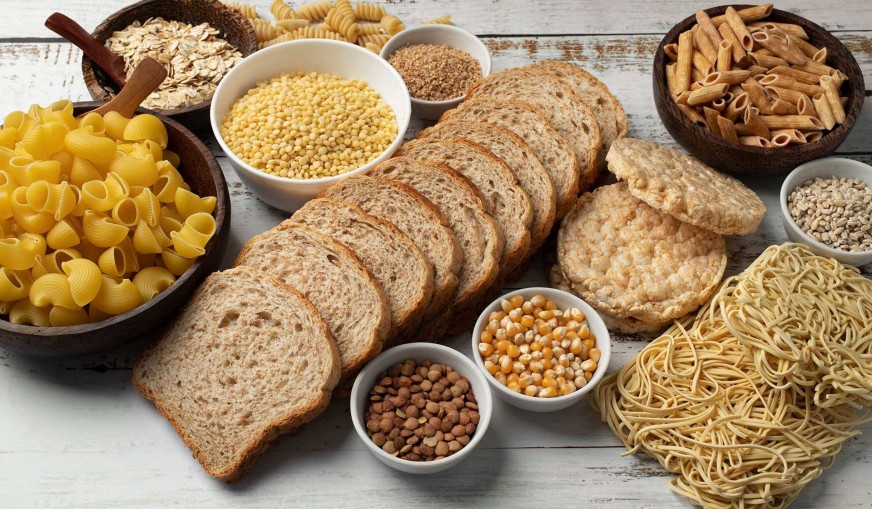
In short: Simple carbohydrates (sugar, sugary drinks, sweets) are digested quickly and raise blood sugar quickly. Complex carbohydrates (wholegrains, oats, pulses, vegetables) contain fibre, so they are digested more slowly, keep you full for longer and affect blood sugar more steadily. It is usually recommended to get most of your daily carbohydrates from complex, fibre-rich sources.
Carbohydrates play an important role in our diet and are the body's source of energy. They fall into two main categories: simple and complex. Simple carbohydrates are made up of sugars that are digested quickly and give the body instant energy, while complex carbohydrates are made up of fibrous foods and starch that provide longer-lasting energy. Simple and complex carbohydrates differ in how they affect our eating, our energy levels and our health.
What Are Carbohydrates?
Carbohydrates are organic compounds found in plants and animals, and they are the body's energy source. They are made up of carbon (C), hydrogen (H) and oxygen (O) atoms, and they come in different forms at the molecular level, such as sugars, starches and fibre.
The carbohydrates in food are broken down into a sugar molecule called glucose. The body uses glucose to make energy or stores it in the liver and muscles in a form called glycogen. Depending on its needs, the body can also convert glucose into fat.
What Role Do Carbohydrates Play in the Body?
Carbohydrates are an important food group for meeting the body's energy needs. The digestive system converts them into glucose to provide energy. Carbohydrates are also needed for brain function. However, they differ in structure and in how quickly they are digested.
What Types of Carbohydrate Are There?
Carbohydrates fall into two main categories: simple carbohydrates and complex carbohydrates.
- Simple carbohydrates are made up of short-chain sugar molecules and are digested quickly. They are usually the refined sugars found in processed foods. Simple carbohydrates are found in foods such as desserts, sweets, sweetened drinks, white bread and white rice. They are absorbed quickly by the body and can cause sudden rises in blood sugar. Regularly eating large amounts of simple carbohydrates can raise the risk of insulin resistance and obesity.
- Complex carbohydrates are made up of long-chain sugar molecules and take longer to digest. They are usually found in natural sources such as wholegrains, porridge oats, brown rice, vegetables, pulses and potatoes. Complex carbohydrates contain nutrients such as fibre, vitamins and minerals. Because they are digested more slowly, they can help blood sugar rise more steadily and keep insulin levels more balanced. They also keep you feeling full for longer, which can support weight management.
How Do Simple Carbohydrates Affect the Body?
Simple carbohydrates are a quick source of energy, but they can cause sudden rises in blood sugar. These rises are followed by a short burst of energy and then often a drop in energy and a feeling of hunger. Regularly eating a lot of simple carbohydrates has also been linked with health problems such as obesity, type 2 diabetes and heart disease.
Simple carbohydrates are generally low in nutrients, and because they contain refined sugars they can upset the balance of nutrient intake. For this reason a diet made up mostly of simple carbohydrates can lead to unhealthy weight gain and nutrient gaps.
What Are the Benefits of Complex Carbohydrates?
Complex carbohydrates are a healthier energy source for the body. Because they take longer to digest, blood sugar rises more steadily. This helps keep energy levels balanced and keeps hunger away for longer. Their fibre, vitamin and mineral content also supports a healthy digestive system and helps maintain overall health.
Complex carbohydrates also provide longer-lasting energy, which makes them a useful food source for athletes and active people.
How to Choose Healthy Carbohydrates
For a healthy diet it is important to focus on complex carbohydrates. Choose complex carbohydrates from natural sources such as wholegrains, porridge oats, brown rice, wholemeal bread, vegetables, pulses and potatoes. These foods contain fibre, vitamins and minerals and keep you full for longer. Choose carbohydrates from natural sources rather than processed and refined ones.
This article is for general information only; please consult your doctor and dietitian about your own situation.
Book an appointment for a personalised nutrition plan
The information in this article is general; what you need depends on your age, health and goals. Message us and we will build the plan that suits you together.

This content is for information only. For a personalised nutrition programme, please consult a dietitian.


