

Rheumatoid arthritis (RA) is a chronic systemic inflammatory autoimmune disease. Long-term use of the medicines available for its care can have many potential side effects. This has increased interest in functional foods that may be a helpful addition alongside medical care for autoimmune diseases such as RA. Natural plant-based foods may serve as complementary strategies that sit alongside the care your rheumatologist provides; they do not replace it.
Rheumatoid Arthritis and Inflammation
RA is an autoimmune disease in which the immune system mistakenly targets the body's own tissues. This causes chronic inflammation in the joints. The inflammation damages the joint linings, which leads to pain, swelling and restricted movement. Rheumatoid arthritis can also affect other body systems and cause complications in organs such as the heart, lungs, skin and eyes.
The main feature of the disease is the pain and discomfort caused by inflammation. For this reason people with RA need a range of options, guided by their doctor, to ease symptoms and keep the progression of the disease under control.
Functional Foods
Functional foods are foods that offer particular health benefits beyond basic nutrition. They are rich in antioxidants, anti-inflammatory components, vitamins, minerals and other nutrients. Functional foods may help the body regulate inflammatory processes. They may also support the immune system and general health.
The importance of functional foods for people with rheumatoid arthritis is closely tied to their anti-inflammatory properties and their potential to reduce inflammation. Below is a list of some functional foods that may be helpful for people with RA.
Omega-3 Fatty Acids
Omega-3 fatty acids are important components found in abundance in foods such as fish oil, chia seeds and flaxseeds. These fats may help to reduce inflammation. Research suggests that omega-3 fatty acids may reduce inflammation in the joints and ease RA symptoms. Omega-3 fatty acids can also support heart health, which matters for people with rheumatoid arthritis, because RA can increase the risk of heart disease.
To add omega-3 fatty acids to your diet, you can:
- Eat fish at least twice a week (especially oily fish such as salmon, sardines and mackerel).
- Get omega-3 from plant sources such as chia seeds or flaxseeds.
- Consider omega-3 supplements, but talk to a healthcare professional about this first.
Ginger and Curcumin
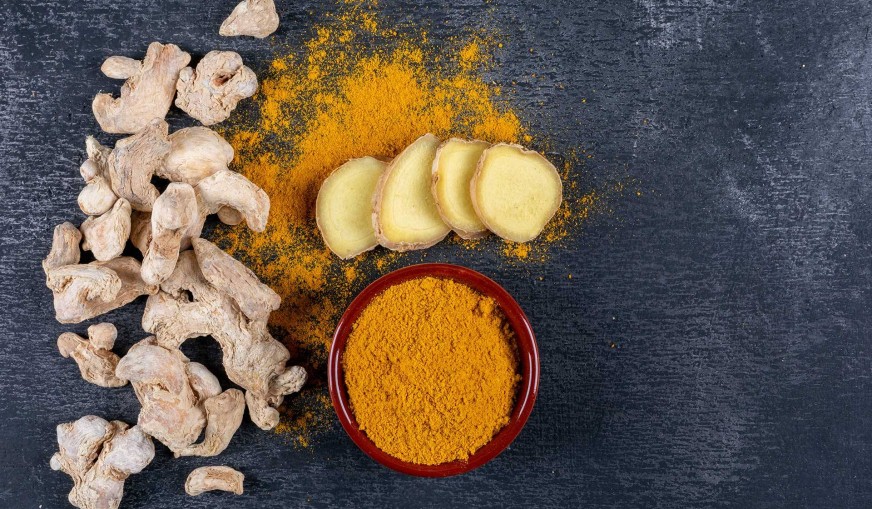
Ginger and curcumin (the active compound in turmeric root) are spices with natural anti-inflammatory properties. By reducing inflammation they may ease joint pain. Research on the potential of curcumin to ease RA symptoms in particular has given encouraging results. Ginger and curcumin also support digestive health and have antioxidant properties.
To add ginger and curcumin to your diet, you can:
- Make ginger tea or add ginger to your meals.
- Use turmeric, a spice used especially in Indian cooking, to add flavour to your meals.
Antioxidants
Antioxidants, such as those found in colourful vegetables and fruit, may help reduce inflammation in the body and ease rheumatoid arthritis symptoms. Antioxidants can help prevent cell damage by neutralising free radicals and can support the immune system. Antioxidants such as vitamin C and vitamin E in particular have been studied for people with RA.
To add antioxidants to your diet, you can:
- Eat fresh fruit and vegetables every day. Include foods rich in vitamin C, such as citrus fruits, leafy green vegetables and peppers.
- Include sources of vitamin E such as almonds, hazelnuts and sunflower seeds.
- Consider drinking teas with antioxidant properties (for example green tea or white tea).
- Include antioxidant-rich drinks such as cranberry juice in your diet.
Probiotics
Probiotics are important for supporting gut health and the immune system. Gut health can influence rheumatoid arthritis symptoms. Probiotics may help to improve the balance of gut flora, may help reduce inflammation and can support general health.
To add probiotics to your diet, you can:
- Eat foods that contain probiotics, such as yoghurt, kefir, pickles and fermented dairy products.
- Consider probiotic supplements, but ask a health professional about the type and amount that suit you.
This article is for general information only; please consult your doctor and dietitian about your own situation.
Book an appointment for a personalised nutrition plan
The information in this article is general; what you need depends on your age, health and goals. Message us and we will build the plan that suits you together.

This content is for information only. For a personalised nutrition programme, please consult a dietitian.


