
Probiotics
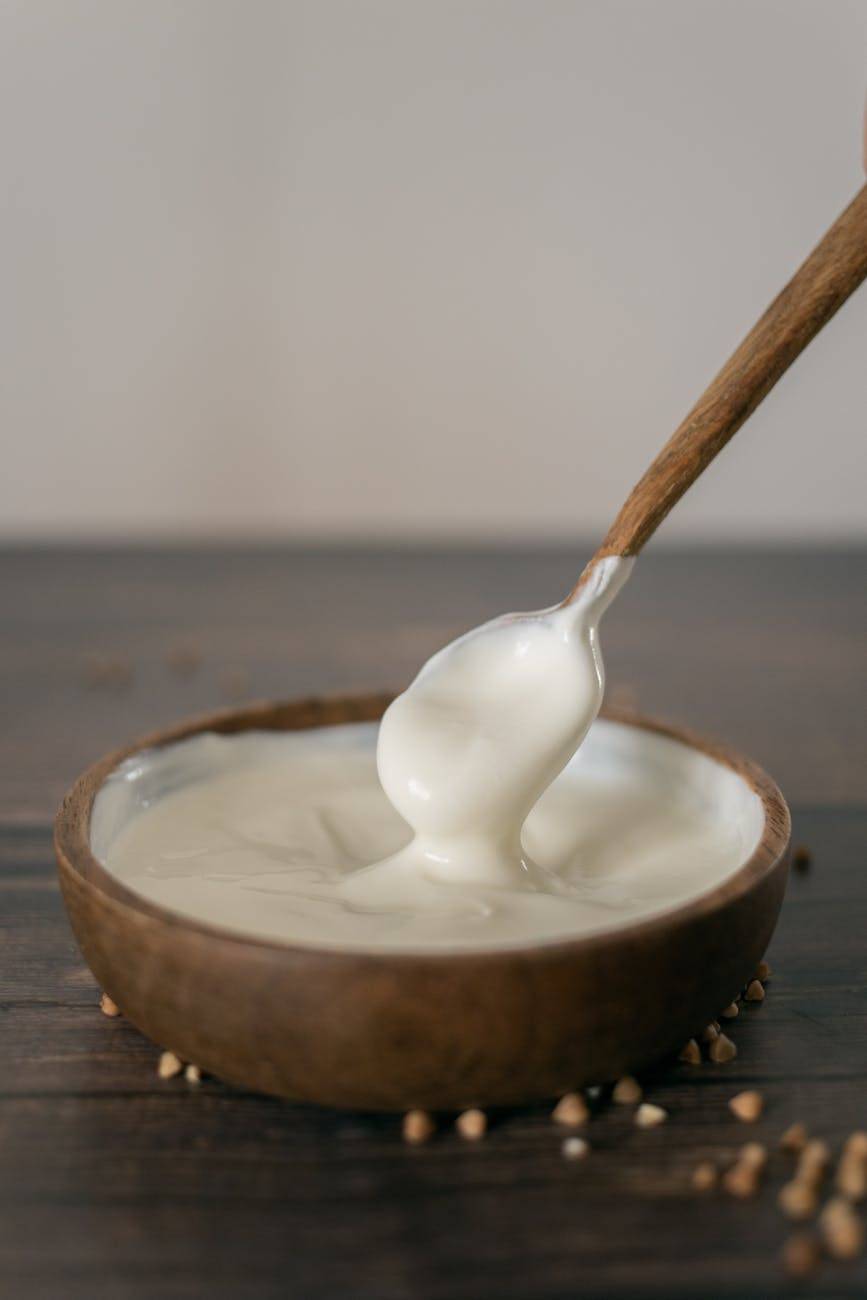 Probiotics have been studied for their possible beneficial effects on human health. Adequate consumption of probiotic products has been linked with supporting health, regulating the gastrointestinal system and supporting immunity. Probiotics have also been studied in relation to high cholesterol levels, bowel and bladder health, bone health, protection from diarrhoea, improving lactose tolerance, obesity, hypertension, allergic reactions, atopic eczema, easing constipation and urogenital infection, although the evidence varies and probiotics are not a treatment for these conditions. Some microorganisms that show probiotic properties are known to be present in foods. Examples include traditional foods such as yoghurt, cheese, kefir and boza (a fermented millet drink). Many milk and dairy products can be added to these. There is evidence that eating dairy products containing probiotics is associated with a reduction in blood cholesterol, which may contribute to the prevention of obesity, diabetes, cardiovascular disease and stroke.
WHAT SHOULD WE PAY ATTENTION TO WHEN CHOOSING A PROBIOTIC SUPPLEMENT?
Probiotic supplements are generally well tolerated by the body and considered safe. When choosing a probiotic, attention should be paid to the person's own health condition, whether it interacts with other medication being used, ease of use, and whether it has reliable, good-quality ingredients. When choosing among the various probiotic supplements on the market, the bacterial strain it contains and its proven benefits should be our first reasons for choosing. We need to know why we want to use a probiotic supplement and which bacteria will suit us. Probiotics do not work immediately; about 2 weeks of use is needed.
Let us give a few examples of which species may help with which complaint:
- Species that have been studied for constipation: B. lactis, B. longum, L. acidophilus, L. reuteri, L. plantarum, L. rhamnosus and B. animalis.
- Species that have been studied for diarrhoea: Lactobacillus rhamnosus GG, Lactobacillus acidophilus and Lactobacillus bulgaricus.
- Species that have been studied in diarrhoea-predominant IBS: B. coagulans, S. boulardii, and combinations of Lactobacillus and Bifidobacterium species.
PREBIOTICS
 The main purpose of prebiotics is to increase the growth and activity of beneficial bacteria in the digestive system. Prebiotics are not digested in the small intestine. Thanks to this property, they have positive effects on health. Adequate intake of prebiotics has also been shown to increase the absorption of minerals, mostly magnesium and calcium. Examples of prebiotics include fructo-oligosaccharides, inulin, galacto-oligosaccharides, lactulose and lactitol.
Prebiotic foods are products that contain prebiotic substances. Fruit, vegetables, grains and other edible plants are the carbohydrate sources that make up potential prebiotics. These foods include tomato, artichoke, banana, asparagus, strawberry, garlic, onion, chicory, green vegetables, pulses, oats, flaxseed, barley and wheat.
This article is for general information only; please consult your doctor and dietitian about your own situation.
Book an appointment for a personalised nutrition plan
The information in this article is general; what you need depends on your age, health and goals. Message us and we will build the plan that suits you together.

This content is for information only. For a personalised nutrition programme, please consult a dietitian.