

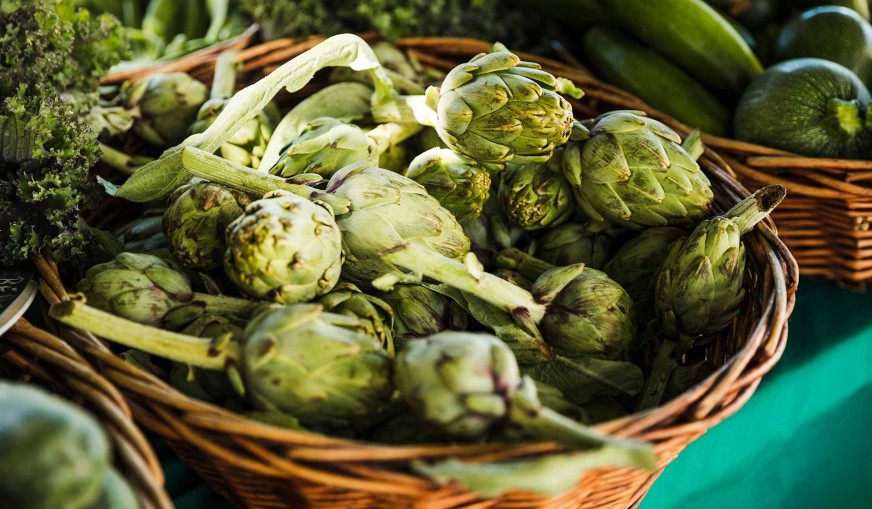
The artichoke is a plant native to the Mediterranean region and is full of nutrients. It is both tasty and nourishing, and eating it can be a good addition to a healthy diet.
Nutritional Value of Artichokes
The artichoke is a low-calorie vegetable that is rich in vitamins, minerals and antioxidants. Its main nutrients are:
- Fibre: artichokes are high in fibre, which supports the digestive system. A portion of artichoke provides a good share of your daily fibre needs and supports bowel health.
- Vitamin C: artichokes are rich in vitamin C, which contributes to the normal function of the immune system and helps protect cells from oxidative stress.
- Folate (folic acid): artichokes are a source of folate, which is important during pregnancy for the baby's normal development and for normal blood formation. Your obstetrician will advise you on folate in pregnancy.
- Potassium: artichokes are known for their potassium content. Potassium contributes to normal blood pressure and normal heart function.
What Are the Possible Benefits of Artichokes?
The possible benefits of artichokes include:
- Supports digestive health: artichokes contain fibre, which supports normal digestion. Their fibre content may help with constipation and support regular bowel movements.
- Supports the liver as part of a balanced diet: artichokes have traditionally been eaten for their possible benefits for the liver and digestion, and research on this is ongoing.
- May fit a heart-friendly diet: artichokes contain compounds that are being studied in relation to cholesterol. Ask your doctor about your own cholesterol levels.
- A source of antioxidants: artichokes contain a good amount of antioxidants, which help protect cells from damage caused by free radicals.
- Anti-inflammatory compounds: artichokes contain compounds that are being studied for their anti-inflammatory properties. They are a food, not a treatment, for joint pain or other inflammatory conditions.
- A vegetable that fits a balanced diet: eating artichokes as part of a varied diet supports the body's normal processes. The body has its own natural systems for clearing waste, and no single vegetable cleanses or detoxes it.
- Inulin: artichokes contain inulin, a type of fibre that has been studied in relation to blood sugar. If you have diabetes, talk to your doctor and dietitian about how to fit artichokes into your meals.
Eating Artichokes and Recipes
There are several ways to eat artichokes. Fresh artichokes can be cooked or used in salads.
- Grilled artichoke: slice fresh artichokes, add olive oil, salt and spices, and cook on the grill until lightly browned. Serve with a slice of lemon.
- Artichoke salad: chop boiled artichokes and mix them with chopped fresh herbs, grated cheese, olive oil and lemon juice. This refreshing salad can be a side dish or can be eaten with main meals.
- Artichoke soup: chop the artichokes and saute them with onion, garlic and vegetables. Add vegetable or chicken stock and cook until soft, then blend.
- Steaming: this is the most popular way to cook artichokes, and your dish is ready in about 20 minutes. To bake them, 35 to 40 minutes at 180 degrees is enough.
How to Eat Artichokes on a Diet
The artichoke is a low-calorie, high-fibre vegetable. It can be eaten on its own or easily added to many recipes. Because of its fibre content, it can help you feel full for longer.
When you are watching what you eat, artichokes can be eaten boiled, grilled, baked or sauteed. They can also be flavoured with spices.
As a healthy food choice, artichokes can be part of a balanced, healthy eating plan. They are nutritious, but no single food leads to weight loss on its own.
This article is for general information only; please consult your doctor and dietitian about your own situation.
Book an appointment for a personalised nutrition plan
The information in this article is general; what you need depends on your age, health and goals. Message us and we will build the plan that suits you together.

This content is for information only. For a personalised nutrition programme, please consult a dietitian.


