

Cholesterol is an important factor for a healthy life. Because of irregular eating and lifestyle choices, however, high cholesterol levels can develop. With the right food choices and lifestyle changes, cholesterol can be supported to stay at healthier levels, alongside your doctor's advice.
What Is Cholesterol?
Cholesterol is a type of fat made by cells in the human body. It becomes part of the structure of cell membranes and takes part in many vital functions in the body. It is also needed for our body to make hormones. However, high cholesterol levels can build up in the blood vessels and lead to serious health problems such as heart disease and stroke. It is therefore important to keep an eye on cholesterol levels.
Why Does Cholesterol Rise?
Several factors can cause cholesterol levels to rise. These include genetic factors, poor eating habits, age, sex, weight, level of physical activity, smoking, and health conditions such as diabetes.
Poor eating habits, especially eating foods rich in saturated and trans fats, can raise cholesterol levels. A high alcohol intake can also raise cholesterol. In addition, as we age, hormone levels that vary by sex and a sedentary lifestyle can contribute to higher cholesterol.
Many factors can lead to high cholesterol levels. For this reason, a healthy lifestyle and the right eating habits are very important.
What Are the Risks of High Cholesterol?
When cholesterol levels rise and are not managed, they can seriously affect heart health. High cholesterol can lead to the build-up of a fatty substance called plaque, which can narrow your arteries and restrict blood flow.
High cholesterol has also been linked with the following conditions:
- Stroke
- Diabetes
- Liver disease
Because of these risks, regular cholesterol checks with your doctor are important for protecting your health, and the right food choices matter.
Which Foods Should You Eat for Healthy Cholesterol?
Food groups you can eat to support healthy cholesterol include:
- Wholegrains: Wholegrains may help support healthy cholesterol thanks to their high fibre content. Wholegrain products such as wholemeal grains, oats, bulgur (cracked wheat), rye, wheat and brown rice are good choices.
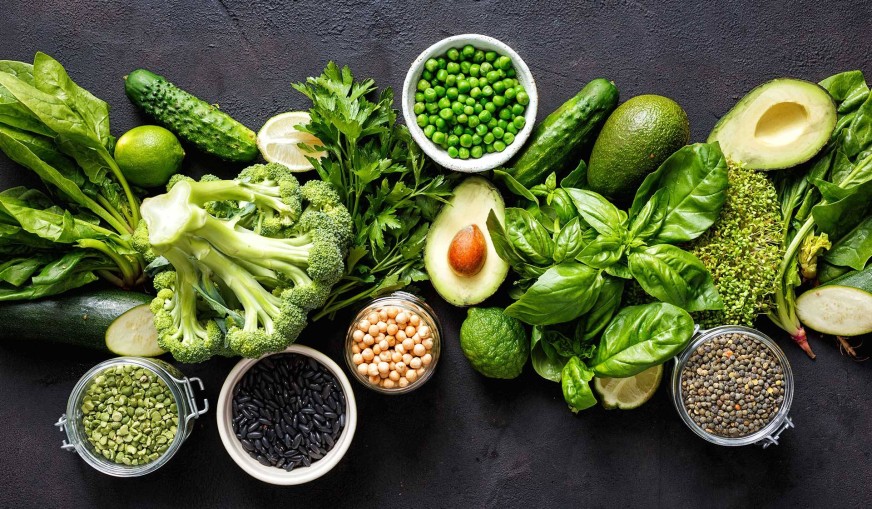
- Vegetables: With their high fibre and nutritional value, vegetables are an important part of a healthy diet. Vegetables such as broccoli, cabbage and spinach are good choices.
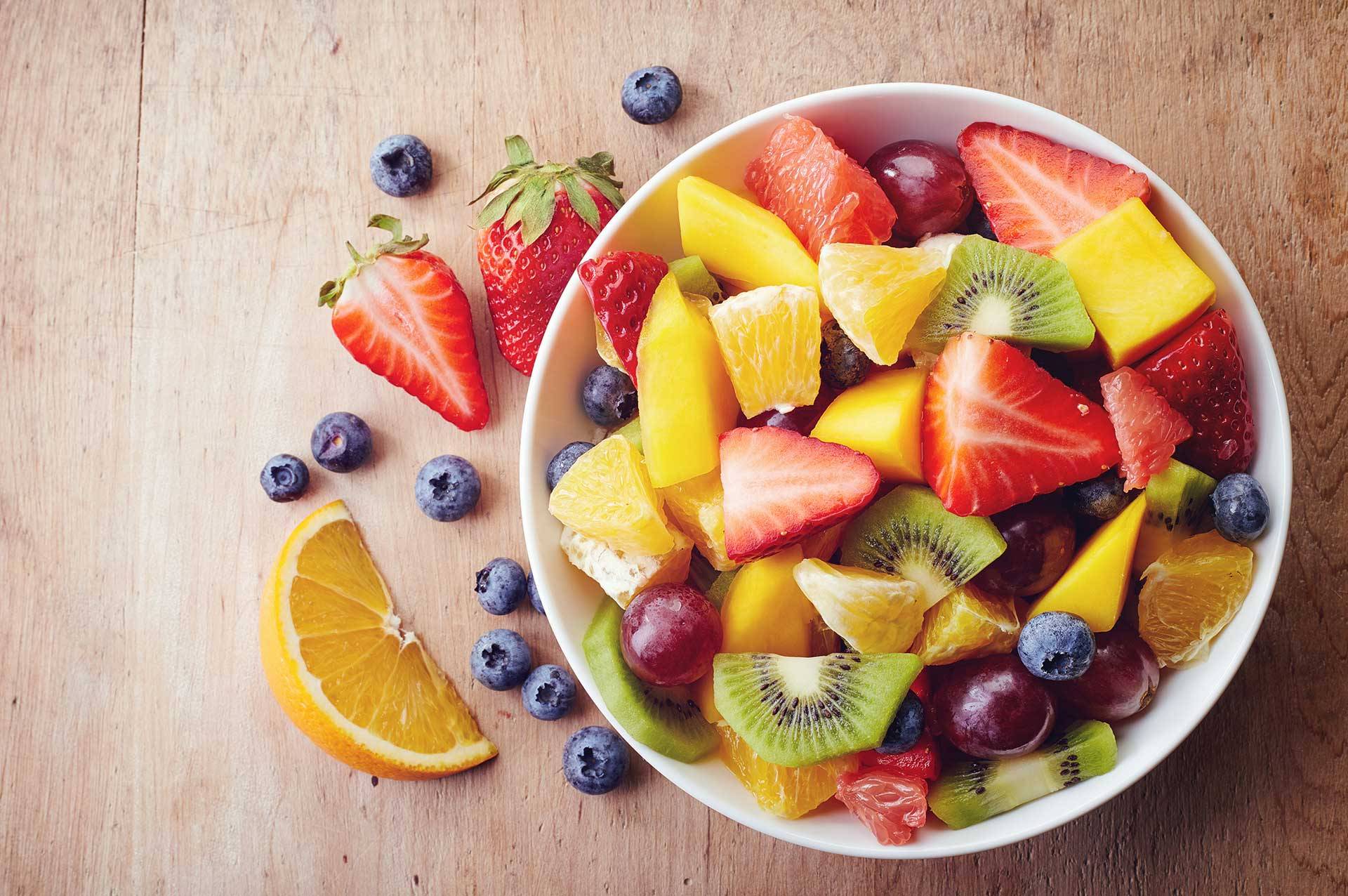
- Fruit: Fruits such as strawberries, cherries, apples, oranges, bananas, grapes and avocado contain fibre and antioxidants and fit a heart-friendly diet.
- Lean meat and fish: Lean meat and fish are important for a healthy diet. Oily fish such as salmon, tuna and sardines in particular contain omega-3 fatty acids, which are associated with heart health.
- Pulses: Pulses such as chickpeas, lentils, beans and borlotti beans are high in fibre and low in fat, which makes them a helpful part of a cholesterol-friendly diet.
- Natural oils: Natural oils, especially unsaturated ones such as olive oil and rapeseed (canola) oil, are a helpful choice for a heart-friendly diet.
- Spices: Spices such as red pepper, turmeric, garlic, thyme and coriander are used in heart-friendly cooking, though the evidence for their effect on cholesterol is limited.
Tips for High Cholesterol
You may consider the following suggestions to support healthy cholesterol levels:
- Adopt a healthy diet: A healthy diet is one of the most useful ways to support cholesterol. You can start by adding low-fat, high-fibre foods to your diet. Limit red meat, processed foods, and sugary and fatty foods.
- Increase physical activity: Regular exercise is important for healthy cholesterol. At least 30 minutes of exercise a day can help look after your heart health.
- Do not smoke: Smoking is harmful because it is linked with higher cholesterol levels and heart disease.
- Limit alcohol: Excess alcohol is associated with higher cholesterol levels, so limiting alcohol, or giving it up completely, is good for heart health.
- Have regular check-ups with your doctor: Regular cholesterol checks are important for protecting your heart health. By following your doctor's advice, you can keep an eye on your cholesterol level.
This article is for general information only; please consult your doctor and dietitian about your own situation.
Book an appointment for a personalised nutrition plan
The information in this article is general; what you need depends on your age, health and goals. Message us and we will build the plan that suits you together.

This content is for information only. For a personalised nutrition programme, please consult a dietitian.


