

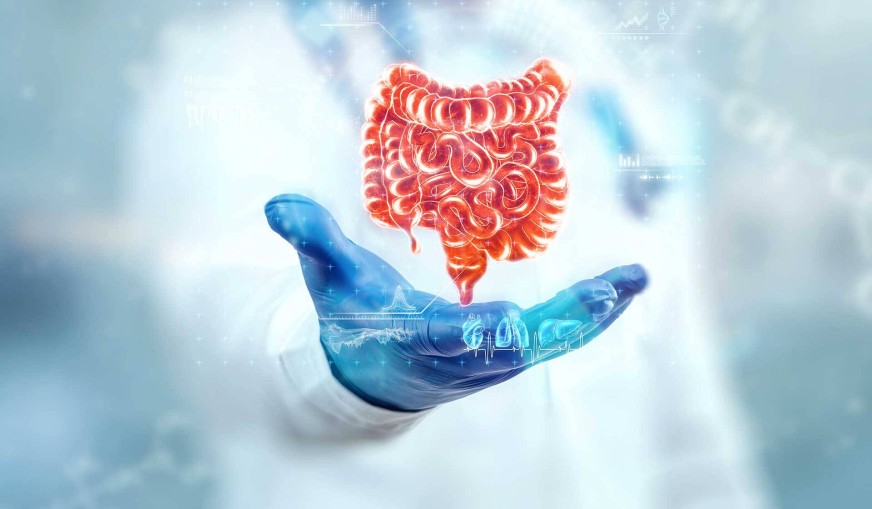
Digestive disorders are among the most common problems. Affecting one in three people, a digestive disorder can reduce quality of life. However, simple changes to eating habits can help ease many of the problems experienced in the digestive system.
The Digestive System
The digestive system is the system of organs that runs from the mouth to the anus, breaking food down into the building blocks the body uses and turning the unused parts into waste to be passed out. Any disturbance in the digestive system can therefore be very uncomfortable in daily life.
There are several different digestive disorders and diseases.
Digestive Disorders
Common digestive disorders are as follows. If you have ongoing symptoms, please see your doctor for assessment.
Reflux
Reflux is described as backward movement, or a movement disorder, of the muscles in the oesophagus. A sudden burning sensation is felt, and a bitter or sour mix of secretions comes up into the mouth. This can happen to many people, but if it happens often during the day it may point to reflux disease.
People with reflux are generally advised to avoid hot, spicy food and not to lie down straight after eating.
Digestive Disorder: Gastritis
Gastritis is described as inflammation of the stomach lining resulting from irritation of the tissues that make up the stomach. It is often caused by bacteria, though other causes are possible too. The most common cause is bacteria taken in with food settling in the stomach and leading to inflammation. To help lower the risk of this digestive disorder, food should be washed and cleaned thoroughly before being eaten.
Stomach Ulcer (Gastric Ulcer)
This occurs when the stomach lining is damaged for various reasons. A sore forms in the damaged area because of stomach acid and digestive secretions, which is known as a stomach ulcer. The main cause is the presence of the Helicobacter pylori bacterium. Genetic predisposition, stress, acidic drinks, alcohol, smoking and too much coffee can also contribute to stomach ulcers.
Digestive Disorder: Constipation and Diarrhoea
Constipation and diarrhoea, which almost everyone experiences at some point in life, often arise from an unhealthy diet and lifestyle.
People with constipation experience bloating, discomfort and pain. Factors such as not drinking enough fluid, not eating enough fibre and a sedentary lifestyle can lead to constipation. You can read our article "5 Tips to Help Prevent Constipation" for more detailed information on the problem and ways to approach it.
Diarrhoea, the opposite situation, can arise from infections in the bowel. It can also result from a disrupted eating routine.
Crohn's Disease
Crohn's disease can occur anywhere in the digestive system, but it most often develops in the small and large intestines. It requires careful medical management, and nutrition also has a very important place in Crohn's disease. Medical treatment should be supported by appropriate nutrition, planned together with your doctor. Our article "Crohn's disease" explains how nutrition should be approached.
Many digestive complaints can be eased by changing eating patterns and adopting a suitable way of eating. Where necessary, medication is used, and this too should be supported by nutrition. Healthy eating can also help look after the digestive system's health.
What You Can Do for Digestive Comfort
Limit Gas-Producing Foods
If you have gas complaints, reduce gas-producing foods such as broccoli, cauliflower and cabbage as far as you can. Eating fast or drinking fizzy drinks can also make complaints worse. For digestive comfort, eat slowly and give gas-producing foods a smaller place in your diet.
Make Fibre-Rich Foods a Priority
Eating fibre-rich foods supports a healthy digestive system. Digestive complaints such as constipation and indigestion can be linked with too little fibre. Fibre-rich foods also help keep blood sugar steadier. Examples of fibre-rich foods:
- Oats
- Wholegrain cereals
- Pears
- Apples
- Beans
Limit Fatty Foods
Fatty foods are quite hard to digest, so eating a lot of them puts a strain on the digestive system. Choosing foods that are easy to digest is important for digestive comfort.
Include Foods Containing Probiotics
Probiotics are described as friendly bacteria because they can help support the digestive system and the immune system.
- Cheese
- Yoghurt
- Kefir
- Pickles are among the foods that contain probiotics. Including such foods in your diet can support digestive and immune health.
This article is for general information only; please consult your doctor and dietitian about your own situation.
Book an appointment for a personalised nutrition plan
The information in this article is general; what you need depends on your age, health and goals. Message us and we will build the plan that suits you together.

This content is for information only. For a personalised nutrition programme, please consult a dietitian.


