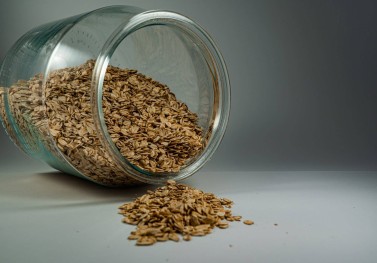
Buckwheat (karabuğday, or greçka) is the seed of a plant called buckwheat, and it is not a type of wheat, as people often assume. Because it is not a cereal grain, it is naturally free of gluten. This makes it a suitable choice for people who eat gluten-free, who have coeliac disease or who have an intolerance, with checks on the label and advice from their doctor. It has been a frequently used product in Asian cooking for centuries and is now becoming widespread all over the world.
You can find my gluten-free cake recipe made with buckwheat flour here.
 What Is Buckwheat?
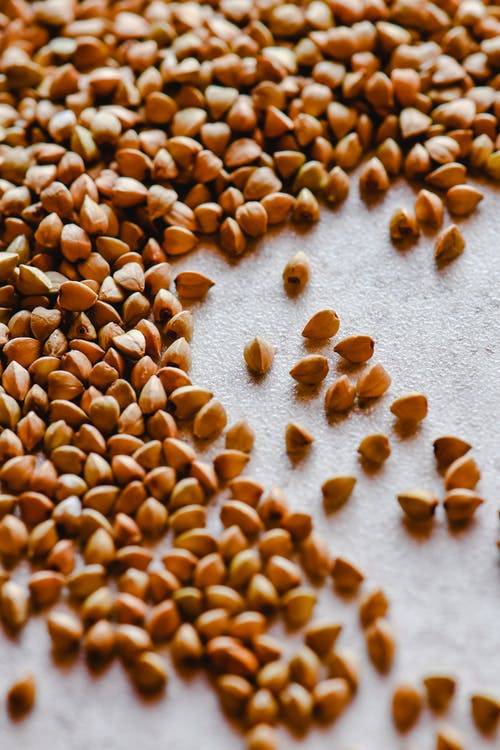
Many people wonder what buckwheat is and exactly how to use it. In fact, contrary to what is thought, buckwheat is not a type of wheat. Buckwheat, the seed of a plant called buckwheat, is a pseudo-grain and contains no gluten. With more than 10% good-quality protein, it is a good plant-based source of protein. Buckwheat also keeps you feeling full for a long time. Because it is gluten-free, it is a suitable product for people with coeliac disease and those who eat gluten-free.
Buckwheat grows in cool climates and is not grown in Turkey, but recently, because of gluten-free eating and the buckwheat diet, it has become easy to find on supermarket shelves and its consumption is spreading.
What Are the Benefits of Buckwheat?
When we include buckwheat in our eating pattern:
- It has been studied in relation to blood pressure and cholesterol balance and heart health.
- It contains a high level of antioxidants.
- Thanks to its high fibre and the protein it contains, it supports the digestive system.
- It has been studied in relation to the risk of diabetes. The complex carbohydrates it contains enter the bloodstream late and may help prevent a quick rise in blood sugar.
- Because it contains no gluten, buckwheat can be eaten with confidence by people with coeliac disease, as long as the product is not contaminated with gluten.
What Are the Nutritional Values of Buckwheat?
As mentioned above, buckwheat has a number of benefits in terms of both its content and its nutritional values. Buckwheat, which is a good source of plant protein, is high in carbohydrate, but unlike white flour and other products with a high carbohydrate content, it does not raise blood sugar all at once.
The nutritional values of raw buckwheat are as follows (per 100 g):
Energy: 343 kcal
Carbohydrate: 71.5 g
Fibre: 10.0 g
Protein: 13.3 g
Fat: 3.49 g
What Is Buckwheat Flour? What Are Its Benefits?
Buckwheat flour, made by grinding buckwheat, the seed of the plant, is a nutritious food and, as mentioned above, a good alternative for people with coeliac disease thanks to its gluten-free content. The same benefits mentioned for buckwheat apply to buckwheat flour. Its biggest advantage is that it can be used naturally in gluten-free recipes in place of gluten-free flour mixes that contain additives. People who eat gluten-free can make dough-based alternatives with buckwheat flour and make them healthier. However, when choosing buckwheat from shops, reading the label is very important, and you should check whether it has come into contact with gluten during the manufacturing process.

This article is for general information only; please consult your doctor and dietitian about your own situation.
Book an appointment for a personalised nutrition plan
The information in this article is general; what you need depends on your age, health and goals. Message us and we will build the plan that suits you together.

This content is for information only. For a personalised nutrition programme, please consult a dietitian.