Lingonberry (kekreyemiş) is a distinctive plant that not many people know about, but one worth getting to know. Perhaps you have heard its name before, or perhaps you are hearing it for the first time. Because the local names of some plants differ, it may also be known by a different name. This plant, which is thought of as nutritious, has in recent years been sold especially as lingonberry powder. The powder made from the lingonberry plant is likewise used as a food supplement. For those who do not know it and are curious, we would like to talk about the possible benefits of this plant.
What Is Lingonberry?
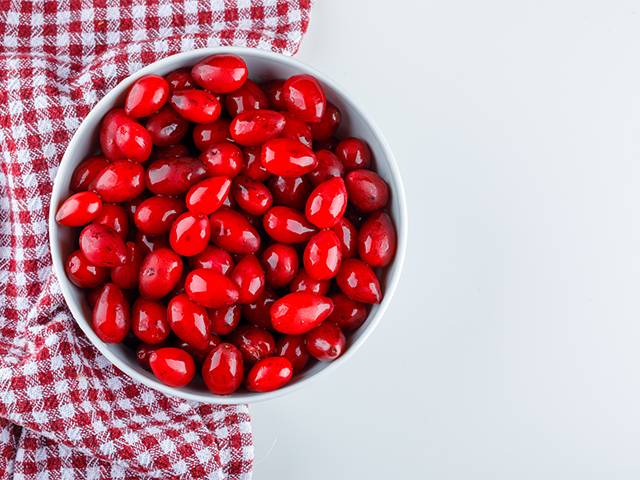 We would like to tell you what lingonberry is and why people eat it. The plant, known in the botanical world as "Vaccinium vitis-idaea", is called lingonberry around the world. In Turkey it is commonly called kekreyemiş. In appearance it is made up of tiny red berries. A member of the heath family of shrubs, the plant is grown in many regions of the world. In Turkey it is mostly grown in the Rize and Kaçkar mountains region. The fruit, also known as the Swedish cherry, has an important place in the cooking of those regions in particular. Apart from its flavour, the fact that it is considered nutritious has made it increasingly popular.
How Much Lingonberry Should Be Eaten?
Although lingonberry is a nutritious fruit, it should be eaten in moderation. As is well known, too much of anything is harmful, and the same goes for eating too much of this plant and fruit. The fruit itself or its powder is generally suggested at a maximum of twice a day, with an average of 1 dessert spoon each time. If you take medication or have a health condition, please speak to your doctor first.
 What Are the Benefits of Lingonberry?
The lingonberry fruit is thought to offer some useful benefits when eaten regularly. These benefits are:
- It contains a high level of antioxidants and, together with its anti-inflammatory compounds, is thought to be useful for the body.
- It has been studied in relation to blood pressure, but it should not be used to treat high blood pressure; please speak to your doctor.
- It may support healthy blood circulation.
- Its antioxidants have been studied in relation to heart and vascular health.
- It contains natural sugar, so people with diabetes should check with their doctor and dietitian about how much to eat.
- It has no fat and is quite low in calories. It is a good alternative for people who want to manage their weight.
- Thanks to its high antioxidant content, it may help protect the body against some harmful substances, and it may support the immune system.
- It is traditionally said to be good for the lungs and the urinary tract, but this is not proven, and it should not replace medical care for infections.
How Is Lingonberry Powder Used?
Lingonberry powder is thought of as nutritious, but how it is used matters. It should be used correctly and, more importantly, bought from a trustworthy source. You can also eat the product as the fruit, as jam or as marmalade. It may be a little hard to find as a fruit. The most common forms are powder and fruit. You can also use the fruit in cakes or desserts. If you buy it as a powder, you can make it into a tea. Lingonberry powder has several other options for use as well.
What Are the Benefits of Lingonberry Powder?
When the benefits of lingonberry powder are examined, they turn out to be the same as those from the fruit itself. In other words, in general it is a product that is thought to be useful when used correctly and regularly. Many people also wonder whether lingonberry helps you lose weight. In general, we can say that this fruit may fit into a weight management plan. It is low in calories and quite high in nutrients. Results vary from person to person.
This article is for general information only; please consult your doctor and dietitian about your own situation.
Book an appointment for a personalised nutrition plan
The information in this article is general; what you need depends on your age, health and goals. Message us and we will build the plan that suits you together.

This content is for information only. For a personalised nutrition programme, please consult a dietitian.