

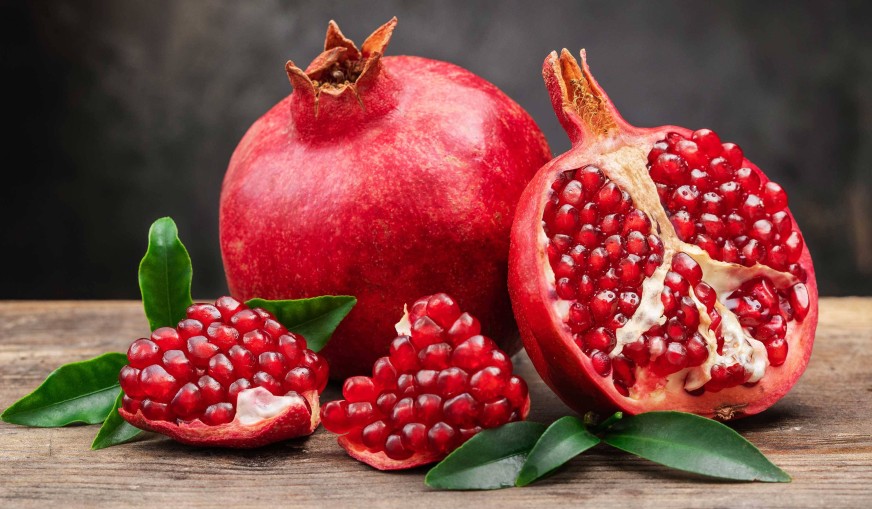
Pomegranate, with its taste and colour, decorates many foods from salads to main dishes, desserts to drinks, and stands out among fruits for its antioxidant content. Its juice is a popular choice, especially in summer, and its seeds can be used in many ways.
Which Season Should Pomegranate Be Eaten In?
Pomegranate is generally harvested in the autumn months, so it is a good fruit to enjoy in autumn and winter.
Eaten in season, pomegranate has better flavour and nutritional value. Thanks to modern storage and transport, however, it is now available all year round.
Outside the fresh fruit season, there is also its juice or dried form. Fresh pomegranate has the highest nutritional value, so it is better to eat not only pomegranate but all vegetables and fruit fresh and in season.
What Are the Benefits of Pomegranate?
Pomegranate is a healthy fruit with plenty of vitamins, minerals and antioxidants. The possible benefits of pomegranate include the following. Most of this research is early, and results vary:
- It can contribute to skin health as part of a varied diet.
- It has been studied for its possible role in supporting brain function.
- It has been studied for the urinary tract, though evidence is limited.
- Pomegranate is rich in powerful antioxidants such as polyphenols and flavonoids. Antioxidants help protect the body from the harmful effects of free radicals, and diets rich in antioxidant foods are associated with a lower risk of chronic conditions.
- It contains compounds such as polyphenols that have been studied in laboratory research for their effects on cell growth. This does not mean pomegranate prevents or treats any disease.
- It is rich in nutrients useful for heart health, such as potassium, vitamin C and polyphenols, which have been studied for blood pressure and blood vessel health.
- It contains plenty of vitamin C, which contributes to the normal function of the immune system.
- It is a fibre-rich fruit and so is good for digestive health.
- It contains compounds with anti-inflammatory properties that are being studied. It is not a treatment for conditions such as rheumatoid arthritis or other inflammatory conditions.
It should be remembered, however, that pomegranate contains a fair amount of sugar. People with diabetes or other health conditions should talk to their doctor before eating it.
What Are the Benefits of Pomegranate Juice?
Pomegranate juice has been reported to have a higher antioxidant capacity than many foods, such as green tea and blueberries, and it contains polyphenolic compounds. Research has looked at pomegranate juice in relation to heart and blood vessel health, blood pressure, cholesterol and blood sugar, with mixed results. Thanks to its vitamins C, A and E it can also contribute to eye health.
How Should Pomegranate Be Eaten in a Diet?
Pomegranate is a nutritious fruit you can include in your diet. Because it is high in sugar, however, it is important to control the amount and how often you eat it. Eating too much can raise your blood sugar.
When including pomegranate in your diet, you may consider the following suggestions:
- Watch your portion: Because of its sugar content, do not eat too much. One medium pomegranate can count as a portion.
- Choose fresh pomegranate: Fresh pomegranate has more fibre and nutrients than other forms.
- Add it to meals: The taste of pomegranate is lovely combined with other foods, especially meat dishes or salads. Still, watch your portion when using it in meals.
- Eat it with other foods: Eating pomegranate with other foods can help blood sugar rise more slowly. For example, you could eat it with yoghurt, salad or grains.
- Dried pomegranate as a snack: The dried form is not as nutritious as the fresh form, but it still contains fibre, antioxidants and vitamins.
Who Should Not Eat Pomegranate?
In general, pomegranate is regarded as a healthy fruit. In some situations, however, it is not recommended.
Pomegranate is not recommended in the following situations:
- It may affect blood clotting. People who take blood-thinning medicines are advised to consult a doctor before eating pomegranate.
- In some people it can cause digestive problems such as indigestion, bloating, diarrhoea or constipation. People with digestive problems are advised to consult a doctor before eating pomegranate.
- Because pomegranate seeds are small, they are not recommended for young children because of the risk of choking. Because of its high sugar content, children's intake should also be kept under control.
- There is not enough research on whether eating pomegranate in pregnancy is safe, so pregnant women are advised to consult their doctors before eating it.
This article is for general information only; please consult your doctor and dietitian about your own situation.
Book an appointment for a personalised nutrition plan
The information in this article is general; what you need depends on your age, health and goals. Message us and we will build the plan that suits you together.

This content is for information only. For a personalised nutrition programme, please consult a dietitian.


