

A healthy, balanced diet is associated with a lower risk of many conditions. Some foods are often described as friends of your heart and blood vessels. Eating them regularly as part of an overall healthy pattern can support heart health, though no single food can guarantee protection from heart disease.
Important Foods for Heart Health
Heart-friendly foods include:
Purslane
Purslane stands out for its omega-3 content, a type of fat associated with heart health. Eating it regularly as part of a varied diet may contribute to healthy blood fats.
Oily Fish
Fish is a very good source of protein, the building block of muscle, cartilage, blood and skin. Eating oily fish such as white tuna, salmon, mackerel, herring, trout and sardines is important for heart health.
Olive Oil
Olive oil contains monounsaturated and polyunsaturated fatty acids, which are associated with healthier blood fats and a heart-friendly eating pattern. Choosing olive oil as your cooking fat is one of the better options. You can use about two to three tablespoons of olive oil a day in your salads or cooking.
Red Grapes
Eaten in season, red grapes, from the seeds to the juice, are a nutritious fruit. They contain resveratrol, which has been studied in relation to heart health and blood vessel health.
Pumpkin Seeds
Pumpkin seeds are a rich source of magnesium, and about half a small tea glass (roughly 50 ml) a day can provide a good part of your daily magnesium need. Magnesium contributes to the normal functioning of the body, including the muscles and nerves.
Tomatoes
Tomatoes contain lycopene, which has been studied in relation to cardiovascular health and cholesterol levels, and they are a useful part of a heart-friendly diet.
Walnuts, Almonds and Hazelnuts
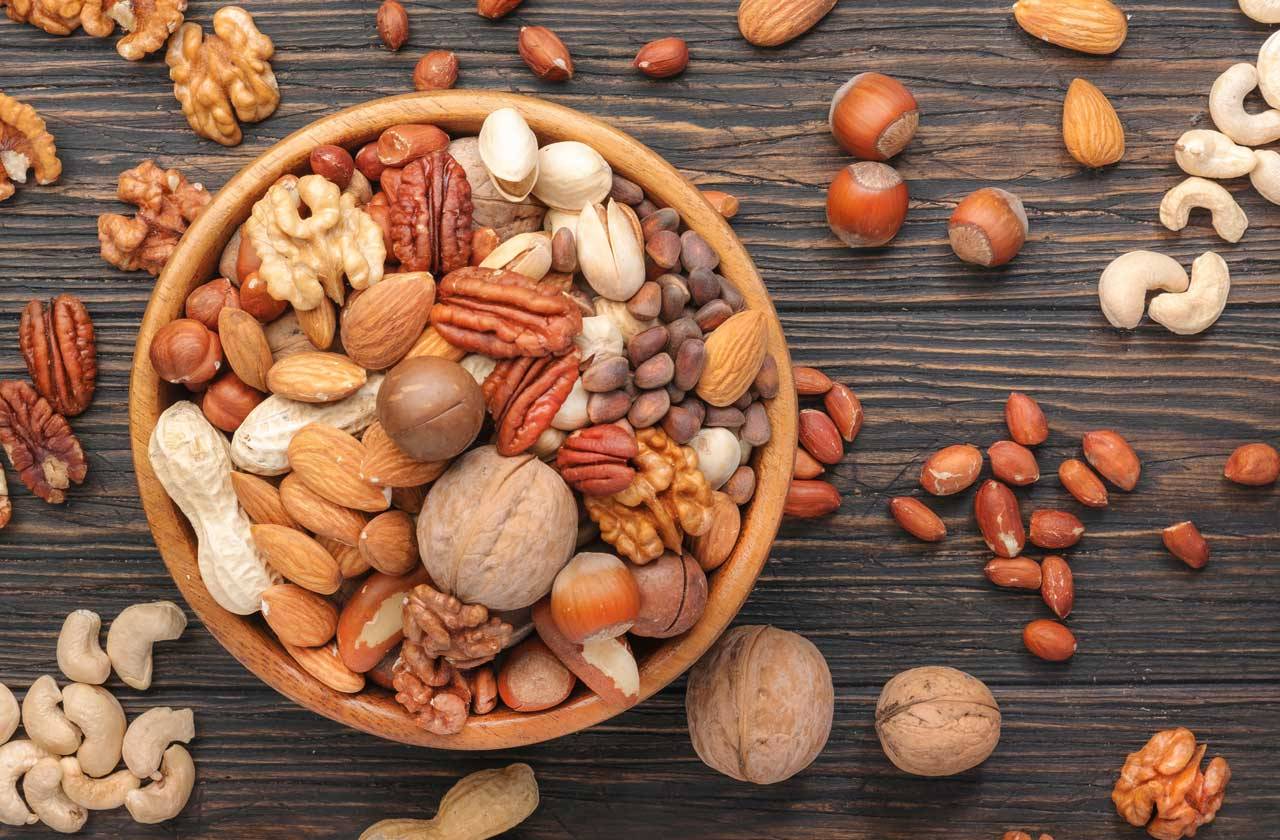
Thanks to their omega-3, vitamin E, magnesium and fibre content, walnuts, almonds and hazelnuts have been associated with healthier cholesterol levels and triglycerides when eaten in sensible amounts.
Walnuts, which are rich in polyunsaturated fatty acids, can help look after blood vessel health. About 10 raw almonds or hazelnuts or 2-3 whole walnuts a day is a typical portion.
Asparagus
Asparagus, one of the spring vegetables, contains beta-carotene, vitamin B6, folic acid and fibre. A bowl of boiled asparagus supplies a good share of the body's daily B vitamin needs.
A cup of asparagus has only 25 calories, and a single spear only about 5 calories, so it is a light addition to a heart-friendly menu.
Garlic
Garlic is a strong source of antioxidants, and quercetin and other compounds in it have been studied for blood pressure and blood fats. If you use blood-thinning, blood pressure or lipid-lowering medicines, please speak to your doctor about how much garlic is suitable for you.
How Should an Eating Plan Be Planned?
A heart-friendly eating plan generally looks like this:
- Eat more high-fibre foods, such as wholegrains, dried pulses, vegetables and fruit, instead of desserts with simple sugars and refined foods.
- Keep an eye on your daily calorie intake.
- Reduce alcohol, and do not smoke.
- Reduce your salt intake.
- Use liquid vegetable oils (olive oil, hazelnut oil, sunflower oil, soya and corn oils) in moderate amounts instead of solid fats.
- Exercise 3 times a week.
- Eat more fish. Limit red meat to once a week and focus on white meat such as chicken and turkey.
- Limit high-fat foods such as pogaca (Turkish savoury pastry), crisps, cakes and pastries.
- Choose cooking methods such as grilling, steaming and boiling.
This article is for general information only; please consult your doctor and dietitian about your own situation.
Book an appointment for a personalised nutrition plan
The information in this article is general; what you need depends on your age, health and goals. Message us and we will build the plan that suits you together.

This content is for information only. For a personalised nutrition programme, please consult a dietitian.


