

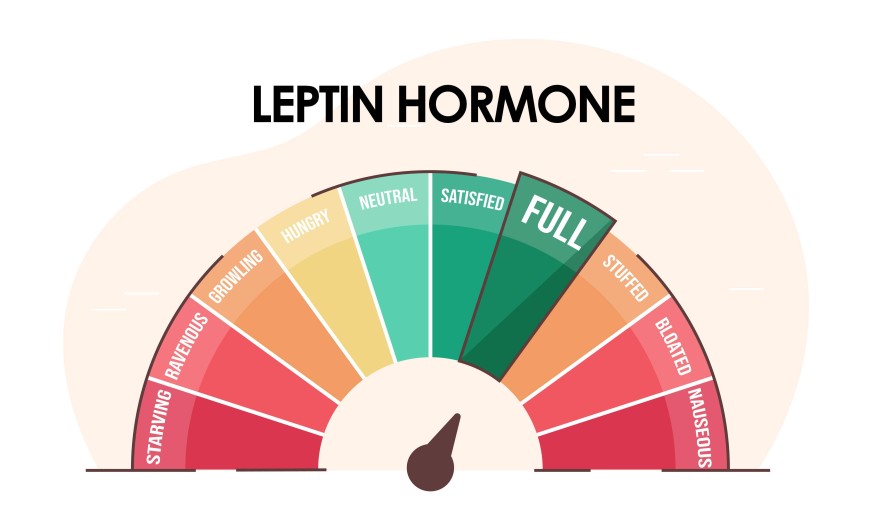
The leptin hormone, which plays a role in healthy living, is also known as the satiety hormone. Too little of it can cause problems in the body, and so can too much.
What Is the Leptin Hormone?
Leptin is a protein that helps regulate the amount of body fat. It plays a role in regulating a person's body weight, so it is a subject of research in obesity.
The leptin hormone travels through the blood and acts on the hypothalamus in the brain, signalling the amount of fat tissue the body has. In response, food intake can fall and energy use can rise.
What Is the Effect of Leptin on Body Weight?
Leptin is one of the key hormones involved in weight management. It is produced and released mainly by white fat cells, and it is stored in the body's fat tissue.
This hormone gives a feeling of fullness, which helps to settle hunger. It tells the brain whether the body has enough energy from food and, when needed, helps the body draw on energy stored in fat.
Together with insulin, it helps regulate the body's fuel and energy levels, and it interacts with other hormones in the body. This is why leptin is seen as an important part of the body's hormonal balance.
Ways to Support Healthy Leptin Signalling
You may consider the following suggestions. They are general lifestyle ideas, not a treatment, and research on leptin and food is still limited.
Use more spices
Capsaicin is a natural chemical found in hot peppers. Some small studies suggest it may have a slight effect on energy use and appetite, but the effect is modest and varies between people.
Fill your plate with protein
Protein-rich foods such as meat, fish, eggs, dairy products, pulses and nuts take more energy to digest than carbohydrates and fats. They also help you keep muscle mass and stay full for longer.
Apple cider vinegar
Some people find apple cider vinegar helps them feel full after meals and between meals, and it has been discussed in relation to metabolism, though evidence is limited. If you use it, limit it to 1-2 tablespoons a day, either mixed into a salad dressing or diluted in a glass of water. Please check with your doctor first if you have a stomach condition or take medication.
Coffee in moderation
The caffeine in coffee can help raise your energy level and has been shown to have a small, short-term effect on energy use. For people who do not like coffee, green tea has similar properties. Keep within a sensible caffeine limit.
Do not forget pulses
High-protein, high-fibre plant foods such as lentils, beans and chickpeas help you feel full and support steady blood sugar levels as part of a balanced diet.
Weight management and leptin sensitivity
Reducing body fat may improve sensitivity to leptin, so a gradual, healthy approach to weight management can be helpful. But because leptin resistance can make it harder to feel full after each meal, dieting can be difficult. Along with eating vegetables, fruit and pulses, you can use fibre such as ground flaxseed or wheat bran/germ, taken with a glass of water before meals. Please speak to your doctor and dietitian first.
Water
Make sure you exercise daily, eat a varied diet and do not go without water through the day, to support your overall energy balance.
Which Foods Are Linked with Leptin?
The main foods that are discussed in relation to leptin include:
- Flaxseed
- Salmon
- Red pepper
- Walnuts
- Ginger
- Milk
- Olive oil
- Orange
- Lentils
- Green tea
- Eggs
- Lemon
- Garlic
- Grapefruit
- Oats
- Soya beans
These foods are part of a healthy, varied diet, but no food can change hormone levels on its own. This article is for general information only; please consult your doctor and dietitian about your own situation.
Book an appointment for a personalised nutrition plan
The information in this article is general; what you need depends on your age, health and goals. Message us and we will build the plan that suits you together.

This content is for information only. For a personalised nutrition programme, please consult a dietitian.


