

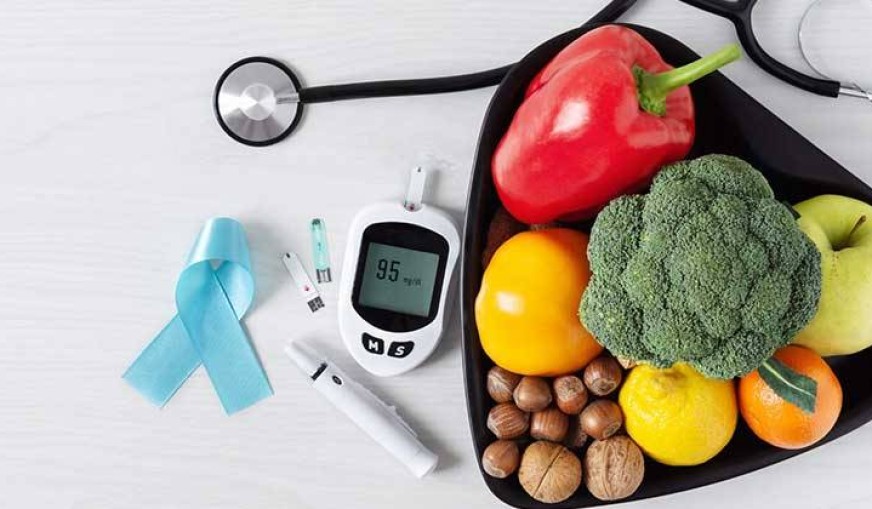
Diabetes is a health condition that requires blood sugar to be kept under control. A balanced eating plan, agreed with your doctor and dietitian, is an important part of managing blood sugar and lowering the risk of complications. Here are general healthy-eating suggestions for people with diabetes. They are not a substitute for the advice of your own care team:
1. Choose Low Glycaemic Index Foods
Foods with a low glycaemic index help avoid sudden rises in blood sugar and support steadier levels.
- Wholegrains (bulgur, quinoa, brown rice)
- Pulses (lentils, chickpeas, beans)
- Vegetables (broccoli, spinach, carrots)
- Fruit (apples, pears, strawberries, blueberries)
2. Limit Refined Sugar and Processed Foods
- Choose wholegrain products instead of white bread, white rice and sugary drinks.
- Limit packaged foods, processed snacks and sweets.
3. Prefer Complex Carbohydrates
Complex carbohydrates slow digestion and help keep blood sugar steadier.
- Porridge oats
- Sweet potato
- Wholegrain bread
- Buckwheat
4. Healthy Fats Matter
Unsaturated fats can be part of a diet that supports insulin sensitivity and heart health.
- Olive oil, avocado oil
- Walnuts, almonds, hazelnuts
- Salmon, flaxseeds, chia seeds
5. Get Enough Protein
Protein can help you feel full and supports steadier blood sugar.
- Chicken, turkey, fish
- Pulses and tofu
- Yoghurt and cheese (unsweetened and lower in fat)
6. Eat Foods Rich in Fibre
Fibre slows the rise in blood sugar and supports insulin sensitivity.
- Wholegrain products
- Vegetables
- Pulses
- Nuts
7. Watch Your Portions
- Avoid large portions, and eat smaller meals at regular intervals.
- Eating slowly and chewing well makes digestion easier.
8. Drink Enough Water
- Water supports the body's normal functions, including blood sugar balance.
- Sugary drinks should be avoided.
9. Stay Physically Active
- Regular exercise can improve insulin sensitivity and help with blood sugar balance.
- A commonly given guide is at least 150 minutes of moderate exercise a week, once your doctor has said it is suitable for you.
10. An Example Daily Menu (to Discuss with Your Dietitian)
| Meal | Foods |
| Breakfast | Porridge oats, almonds, walnuts, unsweetened yoghurt, cinnamon |
| Snack | A handful of almonds or walnuts, a small apple |
| Lunch | Grilled chicken or lentils, bulgur pilaf, vegetable salad |
| Snack | Yoghurt and flaxseeds |
| Dinner | Grilled salmon, sweet potato, boiled vegetables |
| Evening snack | A glass of almond milk |
Sound eating is critically important for people with diabetes in keeping blood sugar levels under control. Choosing low glycaemic index foods, getting enough healthy fats and protein, and exercising regularly can make diabetes easier to manage. The best approach is to build your eating plan together with your doctor and dietitian, especially if you take diabetes medicines or insulin, because food, exercise and medicines need to be balanced.
This article is for general information only; please consult your doctor and dietitian about your own situation.
Book an appointment for a personalised nutrition plan
The information in this article is general; what you need depends on your age, health and goals. Message us and we will build the plan that suits you together.

This content is for information only. For a personalised nutrition programme, please consult a dietitian.


