

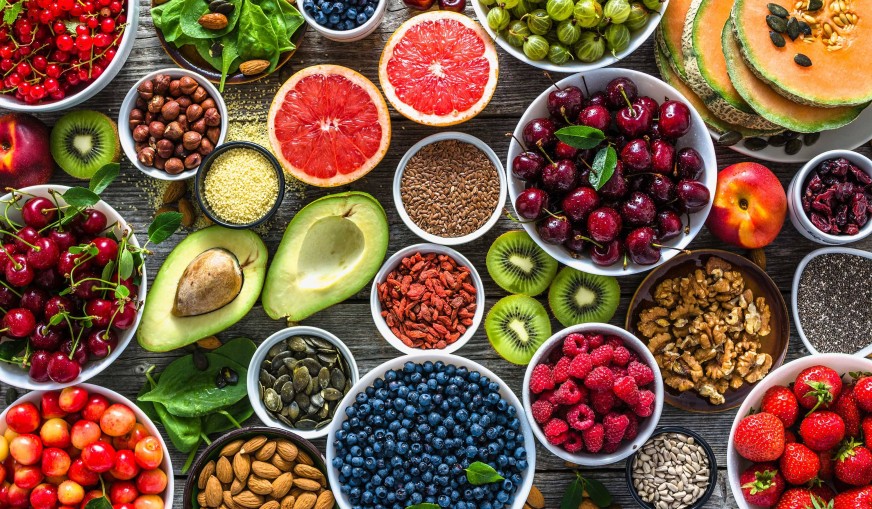
Superfoods is a term for certain foods that are thought to have a high nutritional value and stand out for their possible health benefits. These foods are generally rich in vitamins, minerals, fibre and antioxidants and low in calories, saturated fat and sugar. Remember that "superfood" is a popular term rather than a scientific one.
What Are the Possible Benefits of Superfoods?
Thanks to their high nutrient content, superfoods can contribute to a healthy diet in several ways. These include:
- Antioxidant effects: They are generally rich in antioxidants. Diets rich in antioxidant foods are associated with a lower risk of chronic conditions, because antioxidants help protect the body from free radicals.
- Inflammation: Some superfoods, especially spices, fruit and vegetables, are being studied for their possible role in the body's inflammatory processes.
- Supporting immunity: Fruit and vegetables in particular are rich in vitamin C and other vitamins, minerals and phytochemicals that support the immune system.
- Weight management: Some superfoods are low in calories and rich in fibre. This can help increase the feeling of fullness and so support weight management.
- Supporting heart health: Superfoods rich in omega-3 fatty acids are associated with heart health and healthy cholesterol levels.
- Looking after bones: Superfoods rich in calcium, vitamin D and other minerals are part of a diet that supports bone health.
To benefit from superfoods, a healthy eating plan should be made up of a variety of foods.
What Should You Watch When Eating Superfoods?
Points to pay attention to:
- Source: The source of superfoods matters, and so do the soil and water sources where the foods are grown.
- Processing: Processing superfoods can reduce the nutrients and antioxidants they contain. Choosing fresh, naturally grown foods is therefore better than processed or packaged foods.
- Storage: How superfoods are stored affects their freshness and nutritional value. Storing foods properly and eating them fresh where possible helps preserve their nutrients.
- Suitable consumption: Some superfoods can be hard to digest for some people. Cooking or preparing foods properly helps them to be digested more easily. Eating too much of some superfoods can also have negative effects.
- Medicine interactions: Some superfoods can interact with certain medicines and cause unwanted side effects. It is therefore important to consult your doctor before taking any superfood supplement.
Which Superfoods Can Be Chosen?
There are many options among superfoods, though some are more popular than others. Some you can generally choose are:
- Blueberries: Known for their high antioxidant content. They also contain nutrients such as vitamin C, vitamin K and fibre.
- Chia seeds: Chia seeds contain nutrients such as protein, omega-3 fatty acids, fibre and antioxidants, and can form a gel-like texture when mixed with liquid.
- Quinoa: Quinoa contains nutrients such as protein, fibre and magnesium, and it is also a gluten-free grain.
- Spinach: Spinach contains nutrients such as iron, vitamin C, vitamin K and folate, and is a low-calorie vegetable.
- Oats: Oats contain nutrients such as fibre, protein and magnesium, and are also a grain with a low glycaemic index.
- Broccoli: Broccoli contains nutrients such as vitamin C, vitamin K, fibre and antioxidants and is a healthy vegetable.
- Salmon: Salmon contains nutrients such as omega-3 fatty acids, protein and B vitamins, and is a good choice for heart health.
- Green tea: Green tea contains antioxidants and caffeine, and can be a low-calorie drink as part of a weight-management plan.
These superfoods can be part of a healthy eating plan. It is a mistake, however, to focus on a single food group. Varying your foods is the best choice for a balanced, healthy eating plan.
This article is for general information only; please consult your doctor and dietitian about your own situation.
Book an appointment for a personalised nutrition plan
The information in this article is general; what you need depends on your age, health and goals. Message us and we will build the plan that suits you together.

This content is for information only. For a personalised nutrition programme, please consult a dietitian.


