

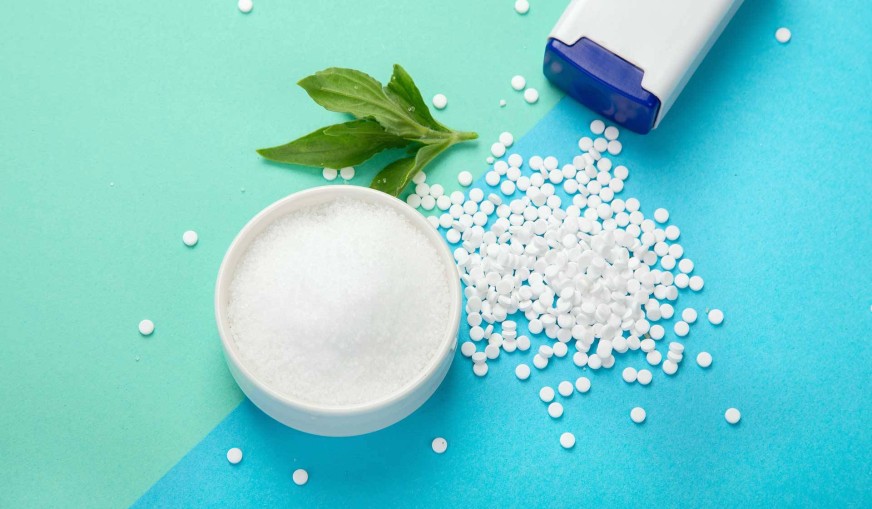
With the pace of modern life, healthy eating habits are becoming more and more important. A leading one of these habits is the tendency to cut down on sugar or to use alternative sweeteners. When choosing a sweetener, though, it is important to have the right information, to avoid substances that could affect health negatively and to know about natural sugar alternatives.
What Is a Sweetener?
Sweeteners are substances that generally add sweetness to food and drinks. Basically, they can replace the sugar in food and drinks, because they imitate the sweetness of sugar. They aim to keep the negative effects of sugar on health to a minimum. Sweeteners generally contain no calories or very few calories, which makes them a popular choice in situations such as weight management or managing diabetes. People with diabetes should talk to their doctor and dietitian about the sweeteners that suit them.
Sweeteners fall into two main categories: artificial sweeteners and natural sweeteners.
Artificial sweeteners are generally synthesised in a laboratory and are usually much sweeter. Natural sweeteners are generally obtained from plants or natural sources and are less processed.
Why Do People Choose Sweeteners?
Sweeteners are substances that satisfy our sense of taste. They are generally used in food and drinks to give products sweetness. The main reasons we choose sweeteners include avoiding health problems caused by sugar, cutting down calorie intake, keeping blood sugar under control and weight management goals.
What Are the Types of Sweetener?
Sweeteners are generally divided into two according to their structure. The types are:
- Artificial sweeteners: artificial sweeteners are low in calories or calorie-free. They are generally not digested by the stomach. The most common artificial sweeteners include saccharin, aspartame and sucralose. These sweeteners are generally chosen by people with diabetes and by people watching their weight. However, there are some concerns about their long-term effects.
- Natural sweeteners: natural sweeteners are generally natural substances obtained from plants. They include stevia, erythritol, xylitol, agave nectar and honey. Natural sweeteners are generally more often chosen because they are less processed. However, some can contain a lot of fructose or can affect blood sugar.
What Are the Natural Sugar Alternatives?
Natural sugar alternatives are naturally occurring substances that can replace sugar. These alternatives are generally obtained from plants or natural sources, and they are less processed. Some natural sugar alternatives are:
- Stevia: a natural sweetener obtained from the stevia plant. Stevia is much sweeter than sugar and is generally calorie-free or very low in calories. It does not affect blood sugar in the same way as sugar, but people with diabetes should still talk to their doctor.
- Erythritol: erythritol is found naturally in some fruits. It is low in calories and is not thought to raise blood sugar. It is generally easier to digest than other sugar alcohols and does not usually cause stomach upset.
- Xylitol: xylitol is found naturally in some fruits. It is low in calories. However, it can cause digestive problems if eaten in excess.
- Agave nectar: a sweetener obtained from the agave plant. Agave nectar is sweeter than sugar and generally has a lower glycaemic index. However, because of its high fructose content it should not be eaten in excess.
- Honey: honey is a natural sweetener that bees make from the nectar they collect from flowers. It naturally contains vitamins, minerals and antioxidants. However, honey's high fructose content and its calories should be taken into account.
These natural sugar alternatives can be options for people who want to cut down on sugar. Because each has its own characteristics and effects, though, it is important to choose the one that best suits your personal health and preferences. It is also important to avoid overusing any alternative and to keep up balanced eating habits.
This article is for general information only; please consult your doctor and dietitian about your own situation.
Book an appointment for a personalised nutrition plan
The information in this article is general; what you need depends on your age, health and goals. Message us and we will build the plan that suits you together.

This content is for information only. For a personalised nutrition programme, please consult a dietitian.


