

How to Manage Emotional Eating: Scientific Strategies
The first step in managing emotional eating is recognizing the difference between physical and emotional hunger.
11 results found
The first step in managing emotional eating is recognizing the difference between physical and emotional hunger.

The harms of severe underweight can threaten health in a wide range from weakened immune system to osteoporosis.

The answer to how to overcome loss of appetite primarily depends on accurately identifying the underlying physiological or psychological causes.
The answer to “Why can't I gain weight?” often lies in metabolic rate, genetic factors, or underlying medical conditions.

Nutrition for insulin resistance is a general approach that aims to support blood sugar balance and to understand diabetes risk; it should be considered together with medical follow-up.

General nutrition principles often discussed for PCOS: low glycaemic index foods, healthy fats, fibre, regular meals and an example day, to review with your doctor.

Hormonal changes affect every stage of life. Which foods and everyday habits support hormonal balance, and which to limit? A dietitian's overview.

What happens when calorie intake is too low for too long? Effects on metabolism, muscle, hormones and mood, and how to get enough energy safely.

What are the effects of childhood obesity and how do family eating habits matter? Practical steps for a healthier home and when to seek professional support.
An Ataşehir dietitian service means a personalised eating plan prepared and guided by a nutrition specialist. Learn how the process works, step by step.
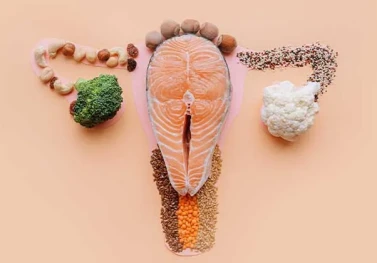
Which foods may support hormone health? Nourishing foods, a sample daily eating plan and lifestyle tips to support your hormones naturally.