

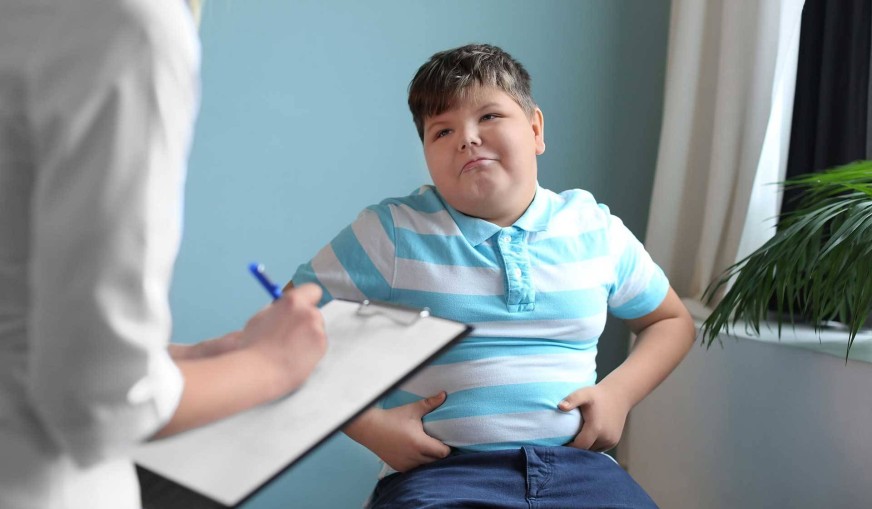
Childhood obesity is a growing problem worldwide and can lead to serious health problems. Obesity can affect children's physical and psychological health. It can also raise the risk of obesity-related conditions later in life. Eating habits within the family matter a great deal for prevention and care.
What Is Obesity?
Obesity is a condition in which body weight is higher than normal because of excess fat build-up in the body. It is usually determined with a measure called body mass index (BMI). Body mass index is a value obtained by dividing a person's weight by the square of their height. Values are classified as follows. In children, a doctor interprets BMI using age- and sex-specific growth charts.
- 18.5 or less: underweight
- 18.5 - 24.9: normal weight
- 25 - 29.9: overweight
- 30 - 34.9: obese (class I obesity)
- 35 - 39.9: severely obese (class II obesity)
- 40 or more: morbidly obese (class III obesity)
What Are the Effects of Childhood Obesity?
Childhood obesity can have a range of negative effects, physical, psychological and social. Some important effects are:
Physical effects:
- Health problems: children with obesity are at risk of serious health problems in adulthood, such as heart disease, diabetes, high blood pressure, and back and joint problems.
- Breathing problems: obesity can lead to breathing problems such as sleep apnoea. This affects sleep quality and makes it harder to rest.
- Limits on physical activity: excess weight can make it harder for a child to be physically active, which can limit daily activities.
- Growth and development problems: obesity can affect a child's normal growth and development, because it can cause hormonal imbalances and lead to problems during puberty.
Psychological and social effects:
- Low confidence and self-esteem: children with obesity are at risk of being left out or teased by their peers. This can lead to problems with confidence and self-esteem.
- Depression and anxiety: obesity can trigger depression, anxiety and other mental health problems in children.
- Social isolation: children with obesity may avoid taking part in social activities and may have problems in social relationships.
- Education and academic performance: obesity can distract a child. It can also reduce concentration and so affect academic performance negatively.
Coping with Childhood Obesity
To cope with childhood obesity, you can consider the following suggestions:
Building Eating Habits
Healthy eating habits should be taught to children from an early age. Families should introduce their children to healthy foods and teach them good eating habits. It is especially important that home-cooked meals are balanced and nourishing. Fast food and processed foods should be limited.
Role Modelling
Children generally copy the behaviour of their families. For this reason it is important for parents to look at their own eating habits and adopt a healthy lifestyle. Parents should teach their children to choose healthy foods, to manage portions and to exercise regularly.
Home Environment
A suitable environment should be created at home to encourage healthy eating. Healthy snacks should be kept in the cupboards and fridge, and access to unhealthy foods such as junk food should be limited. Families should also make the most of mealtimes together and make them an enjoyable, social occasion.
An Active Lifestyle
Being active is very important for childhood obesity. Families should encourage their children to take part in regular physical activity and help them get into the habit of doing sport. Activities such as playing games indoors and outdoors, going for walks and riding a bike help children adopt a healthy lifestyle.
Getting Professional Support
If you are concerned about your child's weight, or you are having a problem with obesity, you should consider getting professional support from a doctor or a dietitian. Specialists can guide you by offering eating plans and lifestyle suggestions that suit your family.
This article is for general information only; please consult your doctor and dietitian about your own situation.
Book an appointment for a personalised nutrition plan
The information in this article is general; what you need depends on your age, health and goals. Message us and we will build the plan that suits you together.

This content is for information only. For a personalised nutrition programme, please consult a dietitian.


