

Personalized Nutrition for Sustainable Weight Management
Personalized nutrition and weight management is a scientific approach tailored to an individual's metabolic characteristics and lifestyle.
15 results found
Personalized nutrition and weight management is a scientific approach tailored to an individual's metabolic characteristics and lifestyle.

Whether weight gain powders are harmful depends on the quality of their ingredients and an individual’s health status, but misuse carries significant risks.

The harms of severe underweight can threaten health in a wide range from weakened immune system to osteoporosis.

Nutrition for insulin resistance is a general approach that aims to support blood sugar balance and to understand diabetes risk; it should be considered together with medical follow-up.

What is food addiction and what is it linked to? Five approaches for managing uncontrolled eating urges, and why professional support matters.

The differences between emotional and physical hunger, what can trigger emotional eating, and ways to cope with it using mindful eating habits.

Why do we get irritable when hungry? Learn how blood sugar, regular meals and healthy snacks can help you manage hunger-related mood changes.

General nutrition principles often discussed for PCOS: low glycaemic index foods, healthy fats, fibre, regular meals and an example day, to review with your doctor.

Explore cardio, interval training, core exercises, weights and yoga that support overall fitness and a firmer midsection, with realistic expectations.

Is spot reduction possible? See what science says about targeting fat in one area, and how nutrition, strength training and lifestyle can help shape the body.

Explore how nutrition and genetic factors shape your metabolism, from the FTO gene to protein, carbohydrates and fats, and how lifestyle choices fit in.

Herbs traditionally used for women's wellbeing, such as sage, flaxseed, ginger and raspberry leaf, and why to check with your doctor before using them.

Hormonal changes affect every stage of life. Which foods and everyday habits support hormonal balance, and which to limit? A dietitian's overview.

The general principles of healthy eating: balance across food groups, enough water, less salt, healthy fats, sensible cooking methods and plenty of fruit and vegetables.
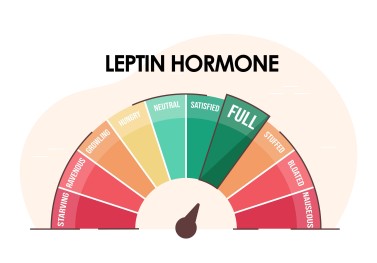
What leptin, the satiety hormone, does in the body, how it relates to appetite and body weight, and everyday habits and foods that may support healthy leptin signalling.