

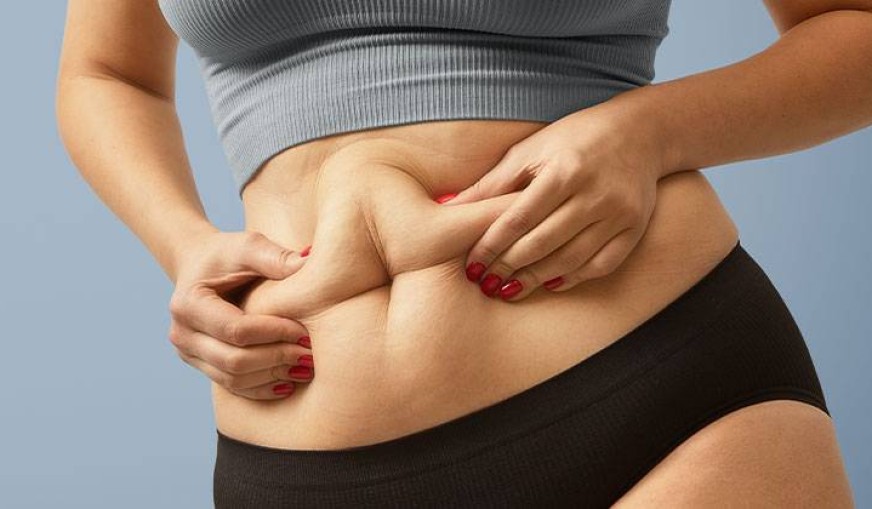
Probiotics are beneficial bacteria that support gut health, and in recent years they have attracted attention for their possible role in weight management. Research in this area is still developing and results vary from person to person. Here is what you need to know about probiotics and weight management.
1. The link between probiotics and weight management
- Probiotics help support a balanced gut microbiota.
- By supporting digestion, they may help with problems such as bloating and constipation.
- Some studies suggest they may play a role in fat storage and metabolism, although the evidence is still limited.
- They may also play a part in blood sugar balance and appetite control.
2. Probiotic strains studied in relation to weight
2.1 Lactobacillus gasseri
- Has been studied for a possible link with body fat percentage.
- Has been looked at in relation to fat around the abdomen.
- May contribute to appetite control.
2.2 Lactobacillus rhamnosus
- Some research has examined its possible role in weight management.
- Some studies have looked at its effects specifically in women.
- Supports the digestive system by supporting the gut microbiota.
2.3 Bifidobacterium breve
- May play a role in fat metabolism.
- May contribute to energy balance.
- Has been studied in relation to the risk of obesity.
2.4 Lactobacillus plantarum
- Supports the function of the gut barrier.
- May help lower inflammation levels, which could support weight management.
- Supports gut health by supporting digestion.
3. Sources of probiotics
3.1 Fermented foods
- Yoghurt (plain, unsweetened versions are preferable)
- Kefir
- Pickles (those fermented with brine rather than vinegar)
- Kombucha (fermented tea)
3.2 Probiotic supplements
- Probiotics are also sold as capsules or powders. Please check with your doctor or dietitian before using a supplement.
- If you do use one, products containing several different strains are often chosen.
4. Things to keep in mind when using probiotics
- Probiotics are usually eaten together with prebiotic foods (onion, garlic, banana, asparagus).
- Regular intake matters, but eating too much can cause digestive discomfort.
- Individual differences should be taken into account, and the most suitable type of probiotic should be decided on a personal basis.
By supporting gut health, probiotics may contribute to weight management. Eating fermented foods and foods containing suitable probiotic strains can help support your digestive system. Probiotics fit in alongside a balanced eating plan, and it is a good idea to talk to a dietitian about what suits you.
This article is for general information only; please consult your doctor and dietitian about your own situation.
Book an appointment for a personalised nutrition plan
The information in this article is general; what you need depends on your age, health and goals. Message us and we will build the plan that suits you together.

This content is for information only. For a personalised nutrition programme, please consult a dietitian.


