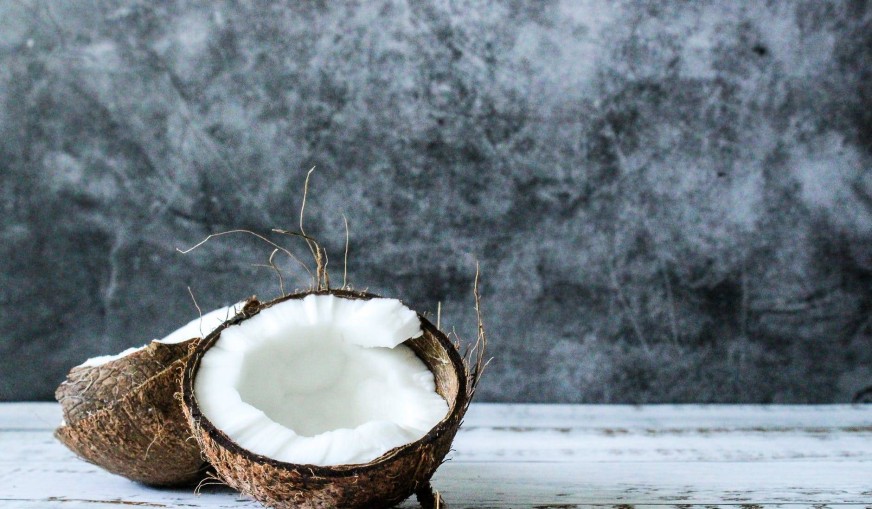
Coconut oil is a product made directly from the fruit of the coconut. It is used in skin care, hair care and even in some foods. The main reason this oil is so widely used is that it is natural and versatile. Alongside what the coconut is and what its benefits are, we would also like to give you information about the uses and benefits of its oil.
 What Is a Coconut?
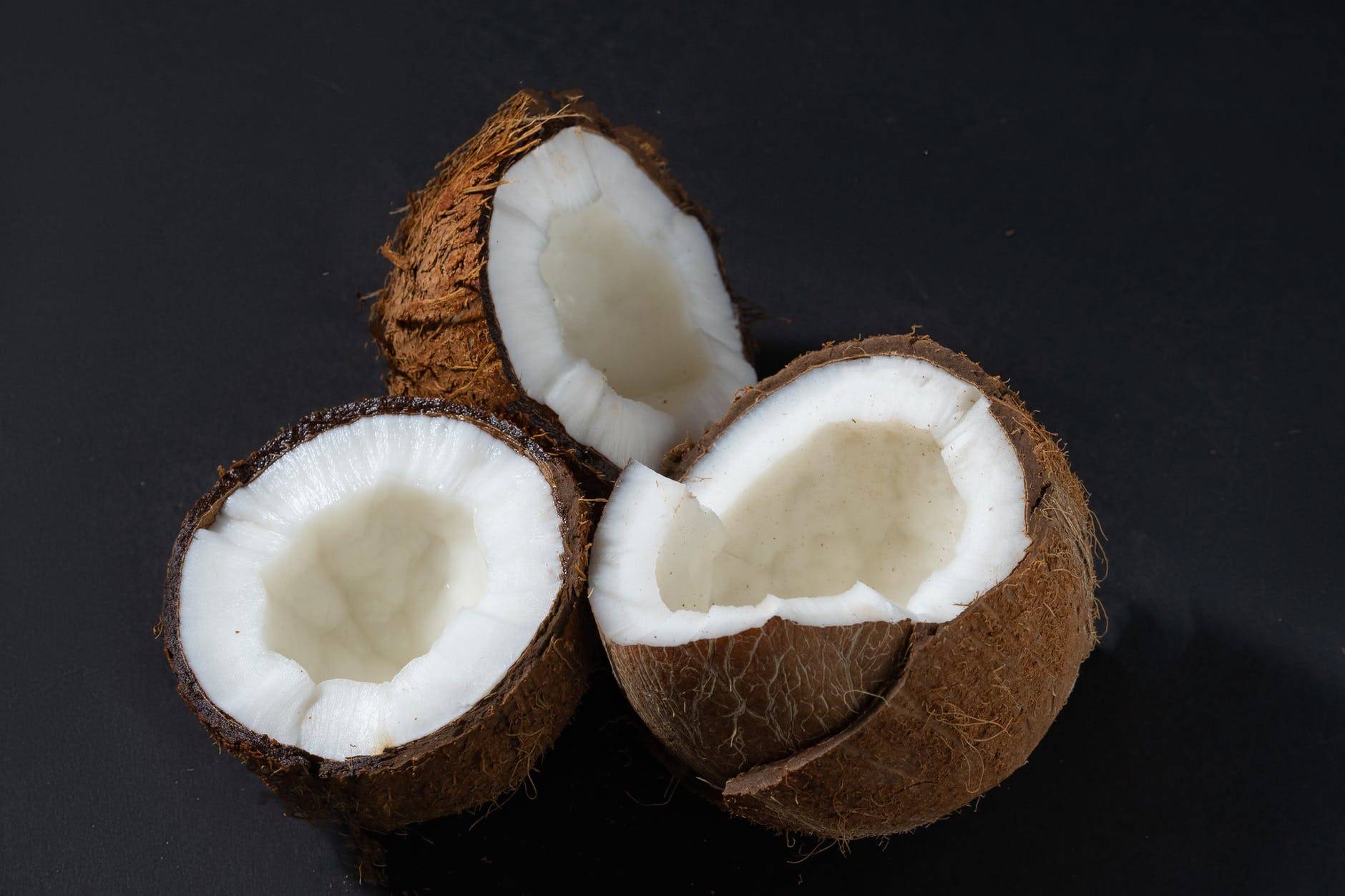
The coconut is a fruit of the palm family that grows on palm trees. This fruit, which can grow in hot tropical climates, is also eaten all over the world. The flesh, the water and the powder are all used. Each part and each way of eating it has its own value, and the fruit has a hard shell. For this reason it is not easy to peel or eat. Inside there is both the white flesh and the water. Both are very tasty and nutritious.
What Are the Benefits of Coconut?
Coconut is among the important fruits known for their benefits. However you eat this fruit, you can say it still offers something nutritious. In general, its benefits are as follows:
- It contains trans-zeatin, a plant compound that is sometimes mentioned in connection with skin ageing; the evidence in people is limited.
- It has antibacterial, antifungal and antiviral properties in laboratory studies, and is often talked about as a food that supports the immune system.
- It can help you feel full, so a person feels satisfied for a long time. In short, it may fit into a weight management plan.
- As well as keeping you full, it is a food that gives energy.
- It has a quite rich content of calcium, iron, magnesium, copper, zinc and potassium.
- It contributes minerals that are part of normal bone health.
 What Is Coconut Oil?
Coconut oil, produced through various processes on the coconut, has been used since ancient times. Today it is still a widely used and important oil for many purposes. This oil, obtained from raw or ripe coconuts, is edible. It is the very essence of the coconut. It is used in many areas, mainly cosmetics, hair care and food products. Thanks to its lovely smell, it is especially popular in hair products.
What Are the Benefits of Coconut Oil?
What coconut oil is used for and what its benefits are have been among the most asked-about topics in recent years. This oil can be used in many areas. In general, the uses of the oil are as follows:
- It is a natural product that can be used in skin care and especially for removing make-up. You can use it instead of chemical products.
- You can use it for nails, under the eyes and for hair care.
- It is rich in MCTs (medium-chain triglycerides), which the body uses as a quick source of energy.
- Some people use it as a mouth rinse (oil pulling) as part of their oral care routine.
- It is said to have an appetite-curbing effect, and some people use it as part of a weight management plan, although the evidence is limited.
- It moisturises the skin and helps protect it from dryness. For this reason it can be used on the skin and hair, and even as part of an oral care routine.
What Are the Nutritional Values of Coconut?
The nutritional value of coconut naturally comes from its nutrients.
In 100 g of coconut:
- Energy: 358 kcal
- Carbohydrate: 4.8 g
- Fibre: 9.0 g
- Protein: 3.9 g
- Fat: 36.5 g
- Vitamin C: 2.0 mg
- Potassium: 380.0 mg
- Calcium: 20.0 mg
- Iron: 2.3 mg
 What Are the Benefits of Coconut Water?
Coconut water brings together benefits you can get from both the oil of this fruit and the fruit itself. Because it contains natural electrolytes, it can help keep you hydrated. It is also useful thanks to the vitamins and minerals in it.
This article is for general information only; please consult your doctor and dietitian about your own situation.
Book an appointment for a personalised nutrition plan
The information in this article is general; what you need depends on your age, health and goals. Message us and we will build the plan that suits you together.

This content is for information only. For a personalised nutrition programme, please consult a dietitian.