

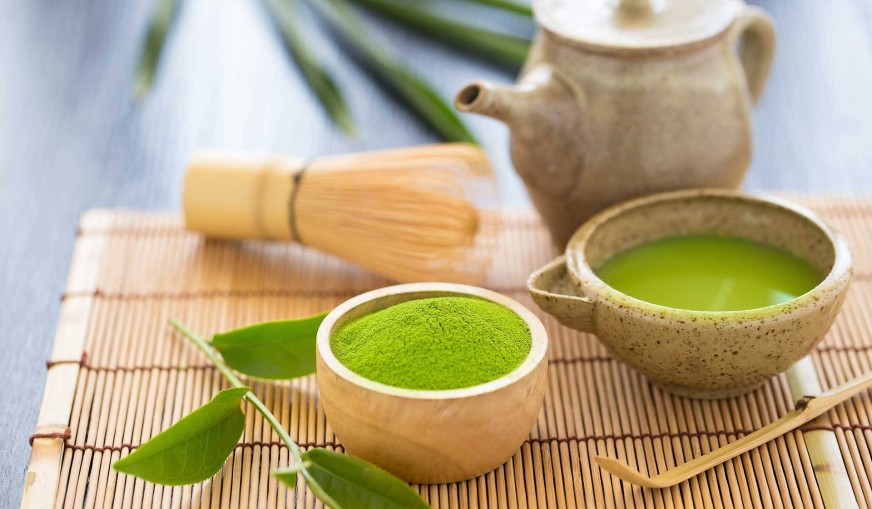
Matcha tea has become popular in recent years as interest in health has grown. It holds an important place in Japanese culture and is made by grinding green tea leaves into a fine powder.
What Is Matcha Tea?
Matcha is a tea traditionally used in Japan. Green tea leaves are ground in stone mills into a powder, which is whisked into water and drunk. Unlike regular green tea, where the leaves are infused and then discarded, matcha means you consume the whole leaf. This makes it a more concentrated source of antioxidants than brewed green tea.
What Are the Possible Benefits of Matcha Tea?
- A source of antioxidants: because it is made from ground green tea leaves, matcha is rich in antioxidants. Antioxidants help protect cells from damage caused by free radicals, and so they may play a supporting role in overall health.
- May support metabolism: matcha contains antioxidants called catechins, which are being studied for their possible link with energy metabolism. Matcha is not a weight-loss product on its own.
- May support focus and concentration: it contains an amino acid called L-theanine, which is associated with mental focus and a calmer state of mind.
- Supports a balanced diet: its antioxidants and vitamin C can be a helpful addition to a varied diet that supports the immune system.
- May support healthy cholesterol levels: it contains compounds called polyphenols, which are being researched in relation to heart health. Ask your doctor about your own cholesterol levels.
How to Use Matcha Tea
In Japanese culture matcha is usually served in tea ceremonies, but it can be enjoyed in many different ways:
- As a hot tea: whisk matcha into hot water and drink it as a traditional tea. If you like, you can sweeten it with a natural sweetener such as honey or stevia.
- As a cold tea: mix matcha with cold water or ice for a refreshing drink. You can sweeten it in the same way.
- In smoothies and milkshakes: adding matcha to smoothies and milkshakes can boost their nutritional value and add a pleasantly sweet, creamy flavour.
- In recipes: matcha is also used in cooking. Desserts made with matcha are very popular, and sauces and marinades made with it can be delicious too.
What Are the Possible Side Effects of Matcha Tea?
Matcha is generally safe to drink, but it can have side effects for some people. Possible side effects include:
- Caffeine sensitivity: because it comes from green tea leaves, matcha contains caffeine. People who are sensitive to caffeine should be careful when drinking it.
- Sleep problems: because of its caffeine content, matcha can affect sleep, especially if you drink it late in the evening.
- Digestive problems: some people have digestive problems after drinking matcha. This is usually the result of drinking too much.
Frequently Asked Questions
What Is Matcha Tea and What Is It Used For?
Matcha is rich in chlorophyll, the pigment that gives green plants their colour. It also contains about five times more L-theanine than other green teas. Matcha is a drink that can be part of a balanced diet; it should not be seen as a way to detox or cleanse the body.
Does Matcha Tea Help You Lose Weight?
Matcha has no direct effect on weight loss. At most, it may indirectly support a healthy lifestyle as part of a balanced diet and regular activity.
When Should You Drink Matcha Tea?
Matcha is usually recommended after a meal or with food rather than on an empty stomach, and no more than twice a day. For example, you could have it once in the morning and once in the afternoon.
This article is for general information only; please consult your doctor and dietitian about your own situation.
Book an appointment for a personalised nutrition plan
The information in this article is general; what you need depends on your age, health and goals. Message us and we will build the plan that suits you together.

This content is for information only. For a personalised nutrition programme, please consult a dietitian.


