

Nutrition while breastfeeding is very important for the health of both mother and baby. Breastfeeding begins right after birth, and for the first 6 months the baby is fed with breast milk alone. The energy needs of the breastfeeding period are calculated according to the mother's milk production.
During the first 6 months, about 600-700 g of breast milk is produced per day, and after the 6th month this falls to about 550 g.
The energy equivalent of daily milk production is about 675 kcal. After the 6th month, it is about 450 kcal.
While breastfeeding, a mother should not rush to lose weight. It is healthiest to think first of her own health and the baby's, consult a dietitian, and manage her weight gradually and in a controlled way.
For a mother at a healthy weight and in good health, an additional 500 kcal may be added to balance the energy lost through breastfeeding; if the mother did not gain enough weight during pregnancy, 675 kcal may be added. Your dietitian will work out the right amount for you.
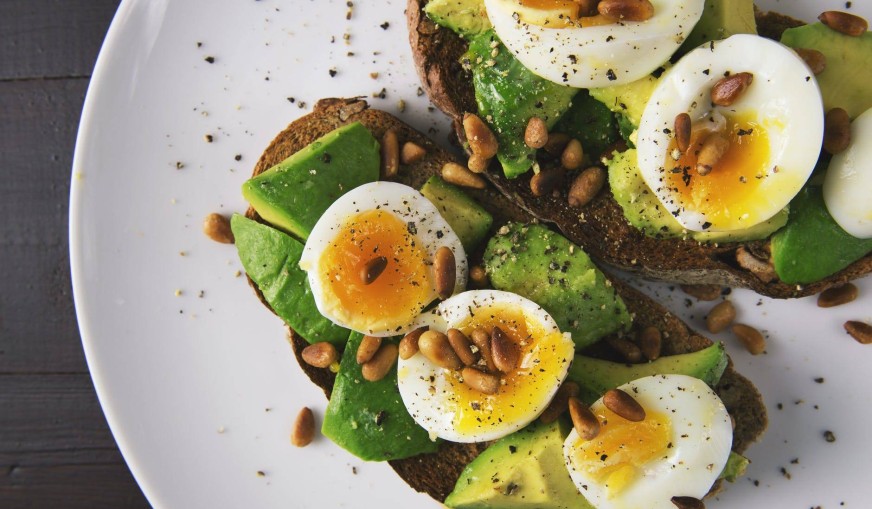
The mother's need for protein and for vitamins and minerals such as vitamin D, vitamin A, vitamin E, vitamin C, vitamin B12, selenium and zinc increases. Examples of foods she can eat more of during this period include fish and seafood, meat, chicken, vegetables and fruit, fat sources such as almonds, hazelnuts, walnuts, chia seeds, avocado and olive oil, full-fat milk and dairy products, eggs, and fibre-rich grains. Eating a lot of any one food because it is thought to increase milk, or eating more oily and flour-based foods than needed, will not be of any benefit.
The oxytocin released will increase the need for water, so it is very important for the mother to drink enough water. While breastfeeding, caffeine intake should not exceed 2-3 cups of coffee a day, and since there is a possibility of allergic reactions in children, milk consumption should be observed while the child is being fed.
To help ease gas in the baby, you may drink 1-2 cups of fennel tea a day; it is best to check this with your paediatrician first.
This article is for general information only; please consult your doctor and dietitian about your own situation.
Book an appointment for a personalised pregnancy nutrition plan
Nutritional needs in pregnancy change with the week of pregnancy, weight change and test results. Message us for a plan that fits your doctor's advice.

This content is for information only. For a personalised nutrition programme, please consult a dietitian.


