

You come home after a busy day and want to get something ready in the kitchen quickly. Opening the cupboard and taking out a jar of ready-made sauce looks like a great solution to most of us. Pouring a little over pasta or using it for a salad is a big help after a tiring day. But are these jarred sauces really healthy? How do the additives they contain affect our health while we look for something tasty and practical?
What Jarred Sauces Contain and What They Are Used For
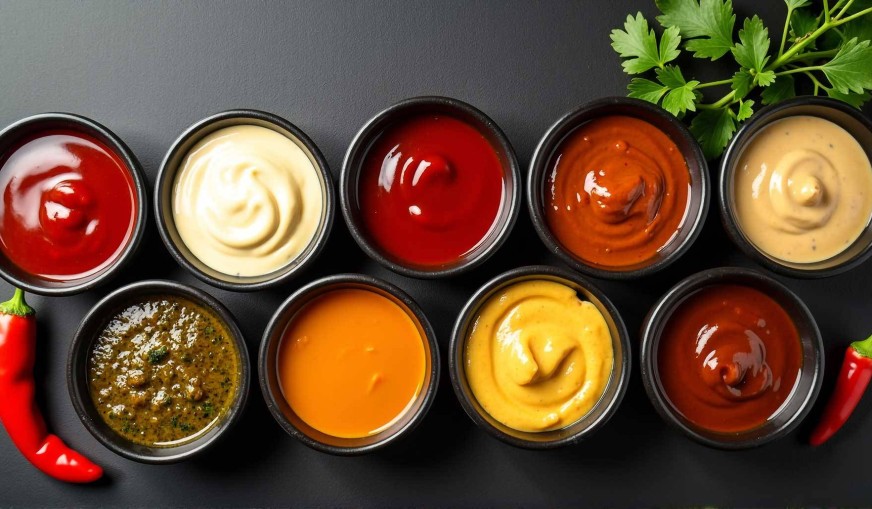
Jarred sauces come in a wide range, from tomato-based sauces to pesto varieties, and from barbecue sauces to salad dressings. They mostly contain main ingredients such as vegetables, fruit, spices, oil and water. To extend their shelf life and balance their flavour, however, additives and preservatives are added. Sugar, salt and flavour enhancers are also commonly used.
Jarred sauces are popular because they are practical in the kitchen and keep for a long time. The chemicals and additives used to achieve this, though, raise health concerns among consumers, especially with long-term and excessive consumption.
Additives and Their Possible Effects on Health
The possible effects on health of the additives found in jarred sauces are as follows:
Preservatives
Preservatives are used to prevent food from spoiling and bacteria from growing. They keep jarred sauces fresh for a long time. However, some preservatives, sulphites and nitrates in particular, are known to cause allergic reactions and breathing problems in sensitive people. The long-term effects of regularly eating certain preservatives are still being studied, and the amounts permitted in food are regulated.
Sweeteners and Sugar
Sweeteners and sugar are widely used in jarred sauces. A high sugar intake is linked to health problems such as obesity, diabetes and heart disease. Sweeteners such as the high-fructose corn syrup used in some jarred sauces are worth watching for. Eating too much of them can cause sudden rises in blood sugar and may contribute to insulin resistance.
Monosodium Glutamate (MSG)
MSG is a common additive used as a flavour enhancer. It improves the flavour profile and makes the sauce taste more appealing. In some people, however, MSG may cause headaches, sweating, nausea and other discomfort. This reaction, also known as "Chinese restaurant syndrome", occurs in people who are sensitive to MSG.
Artificial Flavourings and Colourings
Artificial flavourings and colourings are added to give sauces an eye-catching appearance and a more appealing taste. The long-term effects of these chemicals on health are still not fully understood. Some research suggests that certain additives of this kind may be linked to hyperactivity in some children and may trigger allergic reactions in sensitive people.
Sodium Content
Sodium is an essential ingredient in jarred sauces. As well as boosting flavour, it also acts as a preservative. A high sodium intake, however, is linked to health problems such as high blood pressure, heart disease and kidney problems. Remember that the daily sodium intake recommended by the World Health Organization can be exceeded in a single portion of many jarred sauces.
Lighter Alternatives
The convenience of jarred sauces is undeniable, but bearing in mind the possible health risks, it can be worth choosing lighter alternatives. Some options are as follows:
- Sauces made at home let you control what goes in and avoid additives.
- In the supermarket, choose low-sodium or no-added-salt sauces. These can help reduce your salt intake, which is relevant for blood pressure.
- Choose sugar-free or low-sugar options instead of sauces with a lot of sugar.
- Sauces with natural ingredients, including organic ones, often contain fewer additives. Always check the label.
- Fermented sauces contain probiotics, which can support digestive health. Fermented products such as kimchi or fermented salsa can be a good way of supporting the gut flora.
To look after your health and enjoy a good quality of life over the long term, make informed choices in the kitchen a habit.
This article is for general information only; please consult your doctor and dietitian about your own situation.
Book an appointment for a personalised nutrition plan
The information in this article is general; what you need depends on your age, health and goals. Message us and we will build the plan that suits you together.

This content is for information only. For a personalised nutrition programme, please consult a dietitian.


