


Food labels are small labels that show a food's ingredients, calories and other important information. Reading food labels is very important for healthy eating and lifestyle. Reading them can be hard for many people, however, because the meaning of the information on the labels is not known by everyone.
What Is a Food Label?
A food label is a label on packaging that shows the ingredients, calorie values and amounts of important nutrients such as fat, sugar and protein. These labels play an important role in giving nutrition information, especially calories and macronutrient content. This information helps you keep track of what you eat and work towards your healthy eating goals.
Why Are Food Labels Important?
Food labels help you work out the nutritional values that can help you build a healthy eating plan. This matters for weight management, blood sugar management and managing other health conditions with your doctor. They also let you compare the nutrient content of different foods so you can choose the options that suit you.
What Information Do Food Labels Contain?
Food labels are labels that give information about the nutrients in a product. Their most important purpose is to help consumers get the nutritional information they need for a healthy lifestyle.
Food labels generally contain the following information:
- Serving size: The serving size is stated first on food labels. This is how much of the product one person would eat in one go. Serving sizes vary from product to product.
- Calories: Food labels give the amount of calories in a serving. Calories are the energy value of a food.
- Nutrient values: Food labels state the nutrients in a serving, such as protein, carbohydrate, fat, sugar and fibre. These values matter for healthy eating.
- Vitamins and minerals: This information can help consumers see which vitamins and minerals a product provides.
- Other nutrition information: Some labels may list additional values, such as an acid-base (alkali-forming) score. These are not standard on all labels, and your dietitian can help you interpret them.
- Allergen information: Food labels also state which allergens the product contains. This is extremely important for people with allergies.
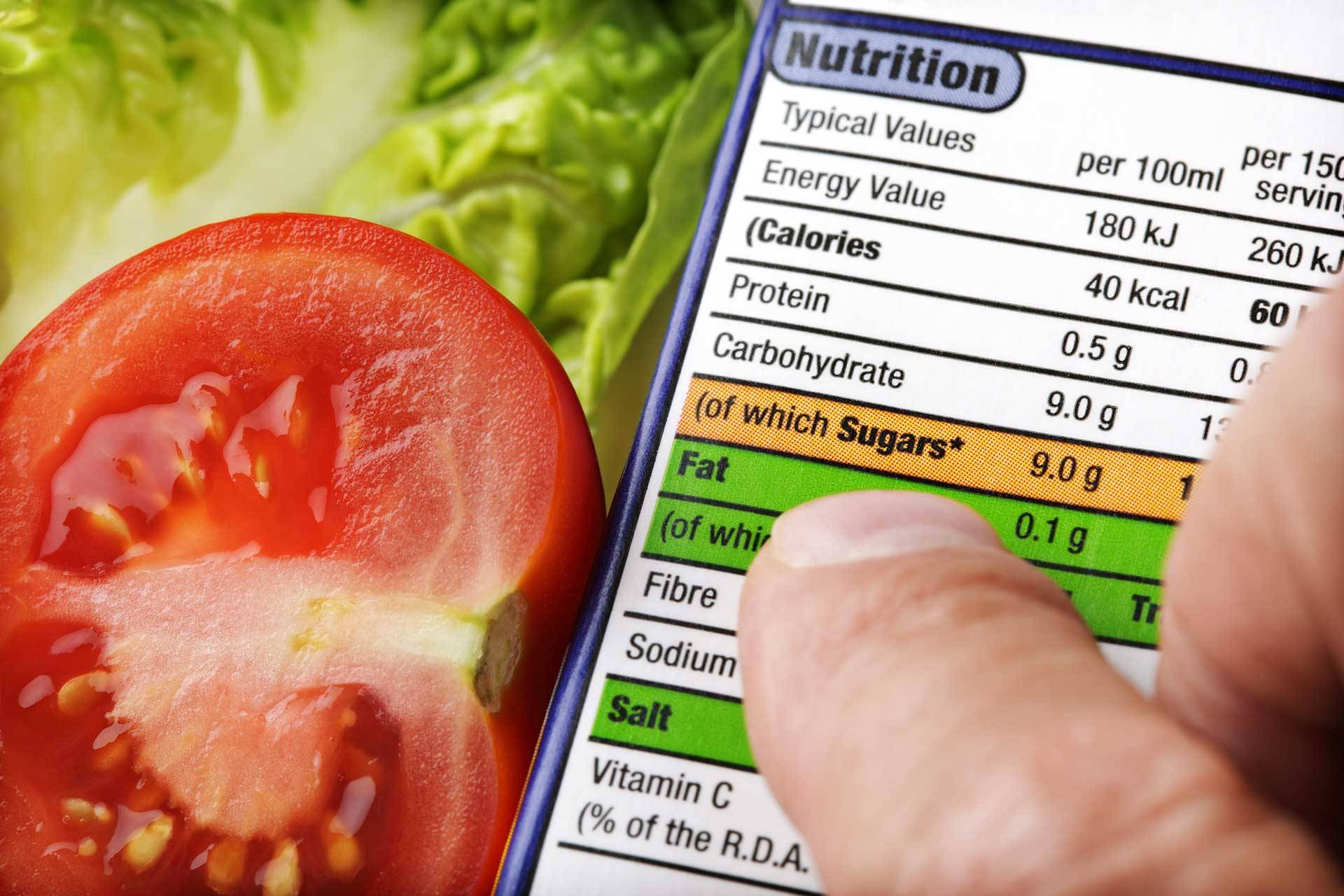
How Are Food Labels Read?
Reading food labels is very important for building a healthy eating plan. Tips to help you read labels:
- Find the serving size: The serving size is stated at the top of the label. It shows how much one serving in the package is.
- Check the calories: Just below, the calories in one serving size are given. This shows how much energy a serving provides.
- Check the nutrient values: At the bottom of the label are carbohydrates, proteins, fats and other nutrients. This shows how much of each nutrient is in one serving.
- Check the ingredients list: On the side or back of the label, the ingredients in the product are listed. This helps you spot ingredients that could risk an allergic reaction.
- Look at the qualities of processed foods: In processed foods, it is important to check the amount of added substances such as salt, sugar, fat and additives.
Although food labels can help you build a healthy eating plan, to make a truly healthy plan you also need to consider other factors, including a balanced diet and physical activity. A healthy eating plan should always be made to suit the person's health and lifestyle. Otherwise you may run into health problems or lose motivation.
This article is for general information only; please consult your doctor and dietitian about your own situation.
Book an appointment for a personalised nutrition plan
The information in this article is general; what you need depends on your age, health and goals. Message us and we will build the plan that suits you together.

This content is for information only. For a personalised nutrition programme, please consult a dietitian.


