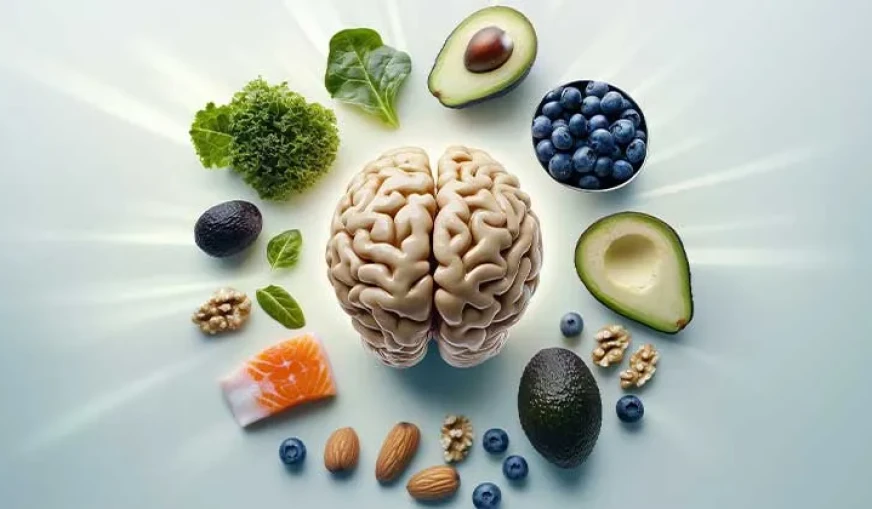
The brain is the most complex organ in the body, and it needs the right nutrients in order to work well. Nutritional gaps can be among the factors behind problems such as poor concentration, memory problems, mental tiredness and low mood. To support brain health, it helps to eat foods that are rich in antioxidants, healthy fats, vitamins and minerals.
So which foods may support brain function, memory and mental performance? Here are foods that support brain health, along with healthy eating suggestions.
1. Why should we look after brain health?
The brain is one of the organs that uses the most energy, and it uses about 20 per cent of the body's oxygen. How well the brain works has a big influence on focus, memory, decision-making and mood.
Problems that can be associated with poor brain health include:
- Memory problems and cognitive decline
- Poor attention and concentration
- Anxiety and low mood
- Tiredness and mental exhaustion
- Neurodegenerative conditions such as Alzheimer's and Parkinson's disease (many factors are involved, and eating is only one of them)
Tip: by eating the right foods you can support your brain function and look after your mental well-being.
2. Foods that support brain health
Foods that support brain function may help to support cognitive performance and mental well-being as we age.
Food groups that support brain health:
1. Sources of omega-3 (support memory and cognitive function)
Omega-3 fatty acids play a role in communication between brain cells.
- Salmon, sardines, tuna, mackerel
- Walnuts, almonds, hazelnuts
- Chia seeds, flaxseed, hemp seeds
- Olive oil and avocado
Tip: eating oily fish at least 2 or 3 times a week is a way to increase your omega-3 intake.
2. Foods rich in antioxidants (help protect brain cells)
Antioxidants help neutralise free radicals and may help protect brain cells from oxidative stress.
- Blackberries, blueberries, raspberries
- Pomegranate, oranges, grapes
- Spinach, cabbage, broccoli
- Green tea, cocoa, dark chocolate
Tip: adding colourful fruit and vegetables to your daily eating can increase your antioxidant intake.
3. Foods containing B vitamins (support cognitive function)
B vitamins (B6, B9 or folate, and B12) support brain function.
- Eggs, red meat, chicken, turkey
- Wholegrains (oats, brown rice, quinoa, rye)
- Broccoli, spinach, asparagus, lentils
- Milk, yoghurt, cheese
Tip: low vitamin B12 can be linked to forgetfulness and poor concentration, so it is important to include B12-containing foods. If you are concerned, your doctor can check your levels.
4. Foods containing magnesium and zinc (support brain function)
Magnesium and zinc support brain function and play a role in learning and memory.
- Dark chocolate (70 per cent cocoa or higher)
- Almonds, walnuts, hazelnuts, pumpkin seeds
- Avocado, banana
- Cocoa and cocoa-based drinks
Tip: low magnesium can be linked to mental tiredness and poor focus, so these minerals should be part of your regular eating.
5. Protein and amino acid sources (support brain chemicals)
The brain needs protein sources in order to make chemicals such as serotonin, dopamine and other neurotransmitters.
- Eggs (contain choline, which supports memory)
- Chicken, turkey, lean red meat
- Yoghurt and kefir (their probiotics support the gut-brain connection)
- Pulses (lentils, chickpeas, beans, peas)
Tip: a breakfast containing protein may help you stay focused for longer through the day.
3. Foods to limit for brain health
Some foods may affect brain health negatively and can be linked to mental tiredness, forgetfulness and inflammation.
Foods to limit:
- Refined sugar
- Trans fats and processed foods
- Excess alcohol
- Fast food and ready-made foods
Tip: by cutting back on these foods you can look after your brain function over the long term.
4. A daily eating plan to support brain health
Sample one-day brain-friendly eating plan:
| Meal | Sample foods |
|---|---|
| Breakfast | Boiled egg + wholegrain bread + avocado + green tea |
| Snack | Walnuts + blueberries + yoghurt |
| Lunch | Grilled salmon + quinoa + spinach salad |
| Snack | Dark chocolate + almonds + herbal tea |
| Dinner | Vegetables cooked in olive oil + wholegrain rice |
| Evening snack | Fennel tea + pumpkin seeds |
Tip: a diet that includes brain-friendly foods can support your cognitive well-being over the long term.
Nourish your brain
- Eat foods rich in omega-3 to support brain function.
- Eat fruit and vegetables containing antioxidants to support your brain cells.
- Cut back on refined sugar and trans fats to support your well-being.
- Eat mindfully to support your mental performance.
Remember: a healthy brain is vital for a healthy body. If you notice changes in your memory or concentration, please speak to your doctor, and a dietitian can help you plan your eating.
This article is for general information only; please consult your doctor and dietitian about your own situation.
Book an appointment for a personalised nutrition plan
The information in this article is general; what you need depends on your age, health and goals. Message us and we will build the plan that suits you together.

This content is for information only. For a personalised nutrition programme, please consult a dietitian.