

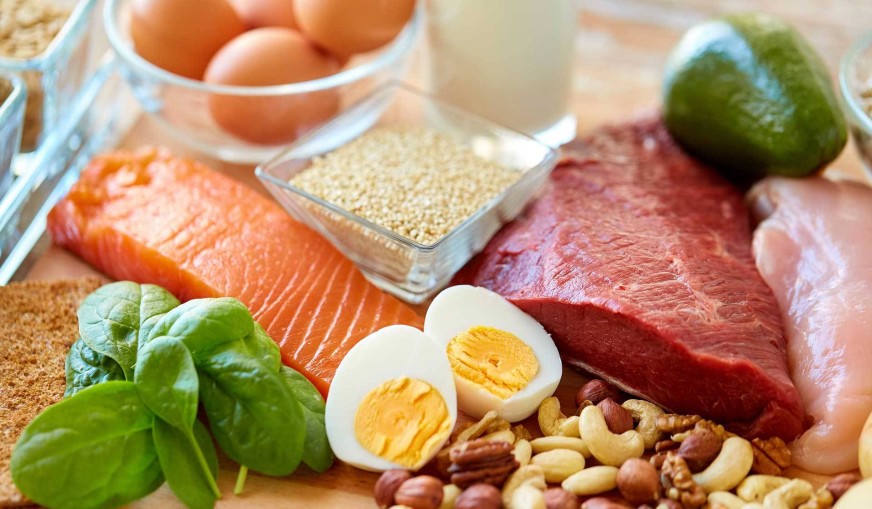
Proteins are nutrients of vital importance for the body. They help muscles, skin, hair and internal organs work healthily. However, excessive protein intake has also been linked with various health risks.
Protein Needs and Excessive Intake
Protein is the source of the amino acids your body needs to keep its daily functions going. However, each person's protein needs are different and vary with age, sex, lifestyle and level of physical activity.
In general, an adult's daily protein need is about 0.8 grams per kilogram. For example, the daily protein need of an adult weighing 70 kilograms is about 56 grams.
Excessive protein intake happens when more protein is taken in than the body needs. This usually results from following diets very high in protein or from using protein supplements in excessive amounts.
Excessive Protein Intake and Health Risks
Eating too much protein may expose you to some health risks. These include:
- Kidney problems: excessive protein intake can put an extra load on the kidneys, which may lead to impaired kidney function. In the long term this may contribute to kidney stones, kidney failure and other kidney diseases. If you have a kidney condition, talk to your doctor about how much protein is right for you.
- Bone health risk: excessive protein intake may upset the calcium balance in the body and may reduce bone density. This may raise the risk of osteoporosis and cause bone fractures.
- Heart health problems: some research shows that eating high amounts of animal protein may raise the risk of heart disease. Excessive protein intake may also raise risk factors such as high cholesterol and high blood pressure.
- Risk of dehydration: excessive protein intake may cause the kidneys to pass more water in the urine, which may lead to dehydration.
- Digestive problems: excessive protein intake can put an extra load on the digestive system, which may cause digestive problems such as constipation, gas and bloating.
How Should Protein Be Eaten?
Proteins are nutrients of vital importance for the body and should be eaten in a balanced way for a healthy life. Some important points for eating protein in a healthy way are:
- Variety: it is important to eat from different protein sources. Make use of a variety of sources, including animal sources (meat, chicken, fish, dairy products, eggs) and plant sources (pulses, nuts, seeds, grains). In this way you can get the different amino acids your body needs.
- Appropriate amounts: take care to eat appropriate amounts of protein at each meal. It is not healthy to eat more protein than you need to meet your daily protein need. Experts generally recommend that adults take in 0.8 grams of protein per kilogram a day.
- Balanced eating: combine your protein intake in a balanced way with other nutrients. That is, try to take in protein together with carbohydrates, healthy fats, fibre, vitamins and minerals in balance. In this way you meet all your body's nutritional needs.
- Quality protein sources: choose high-quality protein sources to meet your protein needs. For example, focus on healthy protein sources such as lean meats, chicken, fish, eggs, pulses, dairy products, tofu, nuts and seeds.
- Portion control: portion control is important. Keep portions under control, especially in protein-heavy meals and snacks. Eating more protein than you need in a single meal can lead to unnecessary calorie intake and digestive problems.
- Enough fluid: drinking enough water helps the body digest and clear proteins efficiently. Take care to drink plenty of water to meet your daily water needs.
Eating protein in a healthy way should be part of a balanced eating plan. By using appropriate amounts and a variety of protein sources, you can support a healthy lifestyle.
This article is for general information only; please consult your doctor and dietitian about your own situation.
Book an appointment for a personalised nutrition plan
The information in this article is general; what you need depends on your age, health and goals. Message us and we will build the plan that suits you together.

This content is for information only. For a personalised nutrition programme, please consult a dietitian.


