

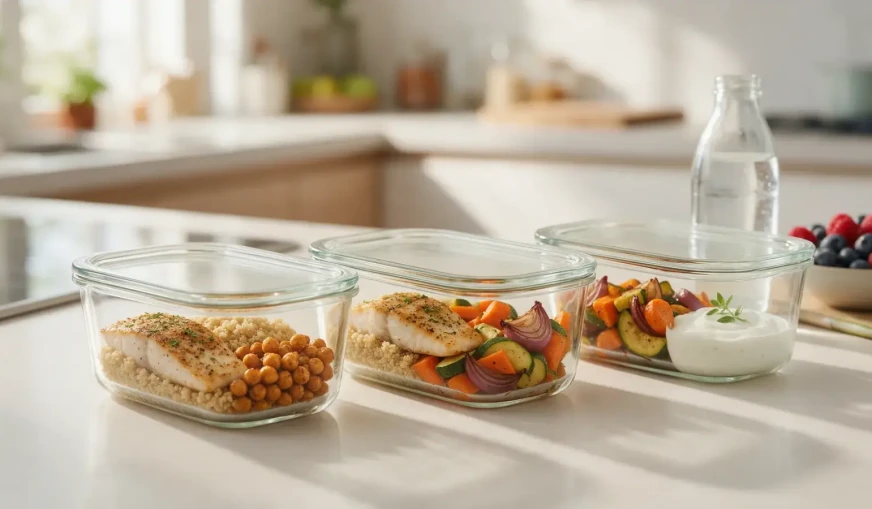
When using Mounjaro (active ingredient: tirzepatide), the most suitable approach is to eat foods that are high in protein, low in fat and easy to digest in small portions, and to stay away from fried foods, heavily sauced and very sugary foods, fizzy drinks and alcohol. These choices support adequate nutrition and help to reduce complaints such as nausea and indigestion.
Tirzepatide is a prescription medicine, given by weekly injection, that reduces appetite and prolongs the feeling of fullness. Your doctor decides who can use it, and the dose and duration; in this article I do not talk about the medicine itself, but about what to put on your plate while you are using it. For the general principles, you can first look at my nutrition guide for people using weight-loss injections.
- Protein first at every meal: eggs, yoghurt, kefir, chicken, fish, pulses.
- Fried foods, kavurma (slow-cooked fried meat), and creamy or heavily sauced dishes can make stomach complaints worse.
- Fizzy drinks and alcohol can make bloating and nausea worse; the NHS advises avoiding alcohol.
- Take fluid in small sips through the day; increase high-fibre foods slowly.
- If you use contraception or are planning a pregnancy, be sure to talk to your doctor about it.
How Does Mounjaro Work and How Does It Affect Eating?
Tirzepatide is a medicine that stimulates the receptors of two hormones released from the gut, GLP-1 and GIP. Through this effect appetite falls, the feeling of fullness lasts longer and stomach emptying slows.
In terms of eating, this has three consequences: you feel full on less, a large or fatty meal stays in the stomach for longer, and because appetite is lower, your intake of protein, vitamins and minerals can fall without your noticing. So instead of thinking "the less I eat the better", you need to focus on raising the nutritional value of every mouthful you do eat.
What Should You Eat While Using Mounjaro?
High-protein, low-fat and easily digested foods are the basis of this process. The table below summarises options to prefer and options to limit, by food group.
| Food group | Prefer | Limit |
|---|---|---|
| Protein sources | Boiled eggs, grilled or baked chicken, turkey, fish, lean mince, lentils, chickpeas, beans | Fried meat and chicken, kavurma, sucuk (spiced sausage), salami, fatty meatballs |
| Dairy products | Yoghurt, strained yoghurt, kefir, ayran, lor (cottage cheese), low-fat white cheese | Cream, clotted cream (kaymak), large portions of full-fat and salty cheeses |
| Vegetables | Boiled or baked vegetables, vegetable soups, vegetable dishes with little olive oil | Fried vegetables; large portions of raw cabbage or cauliflower if they cause gas |
| Grains | Oats, bulgur, wholegrain bread (small portion), boiled potato | Börek, poğaça, simit (sesame bread ring), white pastries |
| Fruit | Fresh fruit such as apple, pear, banana, strawberries and melon (1 portion) | Fruit juices, large portions of dried fruit |
| Drinks | Water, lightly brewed tea, ayran, kefir | Fizzy and sugary drinks (mineral water too, if it causes bloating), energy drinks, alcohol |
Your daily protein need varies with your weight, age, kidney health and physical activity; it is planned individually to preserve muscle mass during weight loss. Spreading protein through the day rather than loading it into one meal is easier to do when appetite is low.
What Should You Avoid While Using Mounjaro?
Fatty and fried foods, heavily sauced and creamy dishes, very sugary desserts, fizzy drinks and alcohol are the main options that can increase stomach and bowel side effects. What they have in common is that they stay longer in a stomach that is already emptying slowly, or that they increase bloating.
- Fried foods and fast food: A high fat content can make nausea, indigestion and diarrhoea worse.
- Sugary desserts and drinks: They take up space even in small amounts, can cause swings in blood sugar and are low in nutritional value.
- Fizzy drinks: They can increase bloating and belching.
- Alcohol: The NHS advises people using tirzepatide to avoid alcohol; alcohol can make nausea and vomiting worse.
- Very large portions: Filling your plate because "my appetite is good today" can lead to vomiting or a severe feeling of fullness, because the medicine slows the emptying of the stomach.
No food is "banned" on its own; but because your body's response changes in this period, you may find that you can no longer tolerate, even in small portions, some foods that you used to eat comfortably. Noting for a few weeks which foods bother you is the most practical way to build your own personal list.
How Can You Plan a Sample Day While Using Mounjaro?
The plan below is a general example of keeping nutritional value up on a day when appetite is reduced. Portions should be adjusted according to your weight, your goals, your side effects and your doctor's advice.
- Breakfast: 1 or 2 boiled eggs, a slice of low-fat white cheese, half a slice of wholegrain bread, tomato and cucumber.
- Snack: A bowl of yoghurt or a glass of kefir.
- Lunch: A bowl of lentil soup and a small portion of grilled chicken or baked vegetables.
- Snack: A portion of fruit with a few almonds or walnut kernels.
- Dinner: Baked fish, or a vegetable dish with lean mince, with yoghurt on the side.
- Fluid: Water in small sips through the day; do not wait until you are thirsty.
The point to note in this plan is that every meal is small but contains protein. On days when you can eat very little, easy options such as soup, yoghurt, kefir and ayran prevent you from skipping meals.
How Should the Menu Change When You Have Nausea and Constipation?
When you have nausea, simplify the menu and cut back on fat; with constipation, increase fluid and fibre gradually. These complaints are usually most noticeable at the start of treatment and in the days after dose increases.
- With nausea: Plain foods such as crackers, yoghurt, boiled potato and rice soup; warm or cold options rather than hot, strong-smelling dishes; sipping fluids between meals.
- With constipation: Keep vegetables, fruit, oats and pulses on the menu every day; spread your water through the day; take a daily walk. Raising fibre suddenly can cause gas and bloating.
- With diarrhoea: Water, ayran and soup broth to replace fluid and salt; give fatty and spicy foods a break for a while.
If you have severe abdominal or back pain that does not go away, vomiting that will not stop, an inability to keep fluids down, marked dizziness or signs of an allergic reaction, do not waste time on eating advice; see your doctor straight away.
How Should You Handle Eating Out and Social Invitations?
When eating out, the most practical rule is to order a small portion and choose dishes prepared by grilling, boiling or baking. Accepting from the start that you do not have to finish the whole plate also makes things easier.
- Instead of a main course, a soup and a starter or salad that contains protein is often enough.
- Ask for sauces on the side; choose vegetables or salad instead of fried side dishes.
- At gatherings, take protein and vegetables first, and share dessert or limit it to a few spoonfuls.
- Instead of alcoholic and fizzy drinks that are offered, choose still drinks such as water or ayran.
What Should You Watch For with Pregnancy and Contraception?
Tirzepatide is not used in pregnancy; if you are planning a pregnancy, you need to plan with your doctor in advance when to stop the medicine. The NHS says that people planning a pregnancy should stop tirzepatide at least 4 weeks before trying to conceive.
The NHS also recommends using an additional barrier method such as condoms for 4 weeks after starting tirzepatide and for 4 weeks after every dose increase. Be sure to talk to your doctor about your contraception and your pregnancy plans. If you would like to plan your eating before pregnancy, we can work together through preconception nutrition counselling.
You can also read my article on sudden weight loss with Ozempic for general information on the risks of rapid weight loss. For a personal eating plan and regular follow-up during your treatment, in line with your doctor's treatment plan, we can work together through online diet counselling.
Sources
- NHS – Tirzepatide
- Mozaffarian D, et al. Nutritional priorities to support GLP-1 therapy for obesity: A joint Advisory. Obesity, 2025 (PubMed)
- Zambrano-Villacres R, et al. Nutrition-First Support for GLP-1 and Dual Incretin Therapy in Obesity. Nutrients, 2026 (PubMed)
- NIDDK – Prescription Medications to Treat Overweight & Obesity
This article is for general information only; please consult your doctor and dietitian about your own situation.
Frequently Asked Questions
Can I drink coffee while using Mounjaro?
Coffee is not completely forbidden, but it can make complaints worse if you have a sensitive stomach and nausea. Drink coffee not on an empty stomach but with a meal, and in limited amounts, and do not forget to drink enough water through the day.
Can I eat bread while using Mounjaro?
Yes, bread can be eaten in small portions, choosing wholegrain options. But in this period, when appetite is limited, it is more suitable to give priority on the plate to protein and vegetables and to use bread as a complement.
I am never hungry on Mounjaro. Should I still eat?
Yes. Even if you are not hungry, it is important to have small meals at regular intervals; going without food for long periods increases the risk of muscle loss and nutrient gaps. Easy-to-eat sources of protein such as yoghurt, kefir, eggs and soup make these days easier.
Is there a difference between Mounjaro and Ozempic in terms of eating?
Although the two medicines work through different mechanisms, the principles of eating are largely similar: small, protein-first meals, enough fluid and fibre, and limiting fatty and sugary foods and alcohol. Which medicine suits you is decided by your doctor.
Can I eat dessert while using Mounjaro?
Dessert can be eaten now and then in small portions; however, very sugary and fatty desserts can make nausea and indigestion worse. Fruit, a fruit bowl with yoghurt or a small portion of a milk-based dessert are more suitable options.
Book an appointment for a personalised nutrition plan
The information in this article is general; what you need depends on your age, health and goals. Message us and we will build the plan that suits you together.

This content is for information only. For a personalised nutrition programme, please consult a dietitian.


