What Is Dietary Fibre?
Unlike other carbohydrates, dietary fibre is made up of plant-based complex carbohydrates that the body cannot digest or absorb. Unlike components such as fats, proteins or carbohydrates, fibre is not broken down in the stomach and small intestine and passes into the colon. Dietary fibre is an important part of a healthy diet. It is very important for protecting gut health and for lowering the risk of chronic disease. There are two types of fibre: soluble and insoluble. In fact, many plants contain both soluble and insoluble fibre, but in different amounts.
 Soluble Fibre
Soluble fibre absorbs water and forms a gel-like substance in the digestive system, and it also binds fatty compounds so that they are carried out through the gut. Because it slows absorption, it can help with blood sugar control, which may help lower the risk of diabetes. The biggest sources of soluble fibre are oats, all kinds of beans, avocado, apricots, broccoli and apples.
Insoluble Fibre
Insoluble fibres make up the walls of plant cells. Insoluble fibre draws water into the stool, making it softer and helping it pass through the gut with less straining, which may ease haemorrhoid symptoms. As it moves along the gut, it also helps carry waste out of the body. Foods such as wholemeal flour, wheat and corn bran, fruit skins, cauliflower and potatoes are sources of insoluble fibre.
Dietary fibre has many benefits for the human body. Fibre is important for keeping the gut healthy, and getting enough fibre can help prevent constipation or ease the bowels.
According to a review carried out in 2017, people who eat a lot of fibre were reported to have a lower risk of cardiovascular disease and a lower death rate from these diseases, and a diet rich in dietary fibre has also been linked with a lower risk of hypertension.
Fibre intake may also offer benefits for diabetes: by slowing the body's absorption of sugar, fibre can help prevent blood sugar rising suddenly after meals. According to a study carried out in 2018, high-fibre diets are associated with a lower risk of type 2 diabetes.
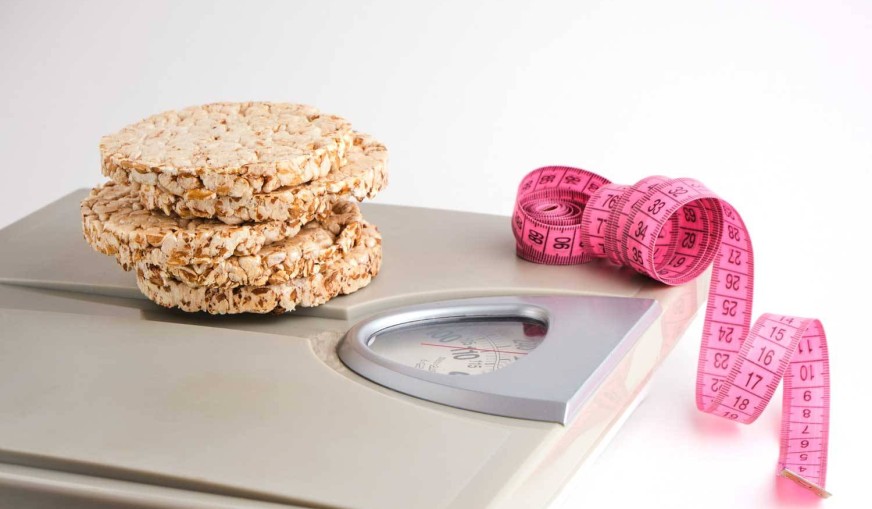
In addition, eating plenty of dietary fibre can support weight management, because high-fibre foods help a person feel full for longer.
In a study carried out in 2019, people who increased their dietary fibre intake were observed to have an increased rate of weight loss and to keep to their diets; results vary from person to person.
The recommended daily amount of dietary fibre is 25 g for women and 38 g for men.
You can use the tables below to see how much fibre common fruit and vegetables provide.
To add fibre in practical ways to your daily life, you can try the following:
- You can add a salad with plenty of greens to every meal.
- You can eat three portions of fruit a day, choosing at least one of them from apple or apricot.
- You can choose breads or pasta made from wholemeal flour, and if you prefer not to eat bread, you can add boiled beans or other pulses to your salads.
Fibre Values of Fruit and Vegetables
| FRUIT | PORTION | FIBRE (g) | FRUIT | PORTION | FIBRE (g) |
|---|---|---|---|---|---|
| QUINCE | 1 medium | 14.75 | DRIED APRICOT | 3 | 2.19 |
| BLACKBERRY | 1 cup (about 200 ml) | 10.56 | APPLE | 1 medium | 2.16 |
| PEAR | 1 medium | 6.2 | DRIED FIG | 1 small | 1.96 |
| ORANGE | 1 medium | 5.28 | PEACH | 1 medium | 1.8 |
| DATES | 5 | 3.4 | MELON | 1 thin slice | 1.62 |
| POMEGRANATE | 1 half | 3.2 | MULBERRY | 1 small tea glass (about 100 ml) | 1.5 |
| SOUR CHERRY | 20 | 3.16 | FRESH FIG | 1 small | 1.45 |
| KIWI | 1 medium | 3 | LEMON | 1 medium | 1.41 |
| STRAWBERRY | 12 | 2.88 | PLUM | 5 | 1.4 |
| APRICOT | 4 | 2.4 | WATERMELON | 1 thin slice | 1.2 |
| AVOCADO | 1 quarter | 2.35 | GRAPEFRUIT | 1 small | 1.16 |
| BANANA | 1 small | 2.34 | GRAPES | 1 small bunch | 0.9 |
| MANDARIN | 1 medium | 2.25 | RAISINS | 1 tablespoon | 0.34 |
| CHERRY | 15 | 2.21 |
| VEGETABLE | PORTION | FIBRE (g) | VEGETABLE | PORTION | FIBRE (g) |
|---|---|---|---|---|---|
| SPINACH | 1 bunch | 7.74 | CURLY LETTUCE | 1 bunch | 2.09 |
| CABBAGE | 1 quarter | 5.91 | PURSLANE | 1 bunch | 1.97 |
| OKRA | 1 cup (about 200 ml) | 5.88 | CELERIAC | 1 small | 1.8 |
| GREEN LONG PEPPERS | 10 | 5.79 | ONION | 1 medium | 1.7 |
| AUBERGINE | 1 medium | 5.64 | COURGETTE | 1 medium | 1.65 |
| ARTICHOKE | 1 medium | 5.4 | SPRING ONION | 3 | 1.38 |
| GREEN BEANS | 15 | 5.27 | LETTUCE | 1 bunch | 1.3 |
| PARSLEY | 1 medium bunch | 5.13 | GREEN PEPPER (FOR STUFFING) | 2 medium | 1.03 |
| PEAS | 3 tablespoons | 4.98 | TOMATO | 1 small | 1.02 |
| RED CABBAGE | 1 quarter | 3.43 | LEEK | 1 medium | 0.9 |
| CARROT | 1 large | 2.58 | CAULIFLOWER | 4 tablespoons | 0.8 |
| SWISS CHARD | 15 leaves | 2.55 | CUCUMBER | 1 small | 0.5 |
This article is for general information only; please consult your doctor and dietitian about your own situation.
Book an appointment for a personalised nutrition plan
The information in this article is general; what you need depends on your age, health and goals. Message us and we will build the plan that suits you together.

This content is for information only. For a personalised nutrition programme, please consult a dietitian.