

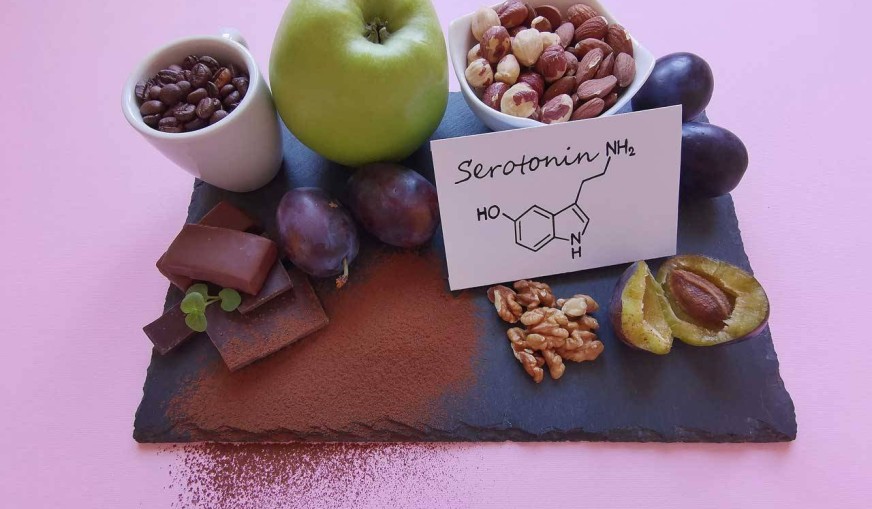
Serotonin is a chemical produced mostly by nerves in the digestive system. It is known as the happiness hormone. Serotonin, found in the central nervous system and in blood platelets, is made from tryptophan, one of the essential amino acids. Tryptophan that the body takes in from outside is found mostly in foods such as hazelnuts, cheese and red meat, and a lack of it can affect how much serotonin the body makes. So eating well can be one way of supporting the body's balance of this hormone.
What Does Serotonin Do?
Serotonin is considered one of the body's natural mood regulators. It affects many parts of the body directly or indirectly, such as sleep and digestion. It has also been studied in relation to:
- Mood
- Feelings of worry and anxiety
- Wound healing
- Bone health
What Can Lower Serotonin?
The production of this hormone is closely linked with healthy eating, and it can also be affected by a person's behaviour and sleep routine.
Not eating protein foods, drinking too little water, having little sunlight and not getting enough healthy fats are associated with lower serotonin. Stress also has a large effect on this hormone, and people who have had low mood in the past may be more likely to have lower serotonin.
What Can Low Levels of the Happiness Hormone Feel Like?
Low serotonin has been associated with feeling unhappy or flat, not enjoying things, and having low energy. Feeling anxious, tired, unmotivated and tense has also been linked with it. Some people with low mood crave pastries and chocolate, find it hard to sleep, feel constantly worried or notice headaches. These signs have many causes, so if you have persistent low mood or anxiety, please speak to your doctor or a mental health professional.
How Can Serotonin Be Supported?
Since the production of this hormone is linked with healthy eating, nutrition may help support it. A diet that is high in protein, includes healthy fats, and includes slowly digested carbohydrates that keep blood sugar steady is a good approach.
Habits that may support your mood include:
- Regularly eating foods that are sources of tryptophan, such as salmon, poultry such as chicken, goose and turkey, spinach, eggs, milk, soya products and hazelnuts.
- Drinking plenty of water each day.
- Getting enough sunlight. Try to get daylight regularly in winter too.
- Exercising regularly.
- Sleeping regularly and keeping a positive outlook on life, which are also associated with well-being.
Which Foods Support the Body's Serotonin Production?
Foods that are sources of tryptophan, which the body uses to make serotonin, include:
- Soya products: Soya products are good sources of tryptophan. Examples are soya milk, soya beans and tofu, made from soya milk. People who eat a vegan diet can include soya products as a source of protein.
- Salmon: Salmon is rich in protein and omega-3 fatty acids, which makes it a good source of tryptophan.
- Pineapple: The main compound in pineapple is bromelain. This fruit is also a source of tryptophan.
- Turkey: Turkey, like other protein sources, is a strong source of tryptophan.
- Eggs: A food that can help raise tryptophan levels in the blood plasma.
- Cheese: Milk and dairy products contain tryptophan in their own right, and so contribute to the body's supply for serotonin production.
- Nuts: Nuts such as hazelnuts, almonds and walnuts are part of a healthy diet and are also sources of tryptophan.
- Bananas: A source of tryptophan.
- Grains: Foods such as oats and wholegrain cereals are good sources of tryptophan.
This article is for general information only; please consult your doctor and dietitian about your own situation.
Book an appointment for a personalised nutrition plan
The information in this article is general; what you need depends on your age, health and goals. Message us and we will build the plan that suits you together.

This content is for information only. For a personalised nutrition programme, please consult a dietitian.


