

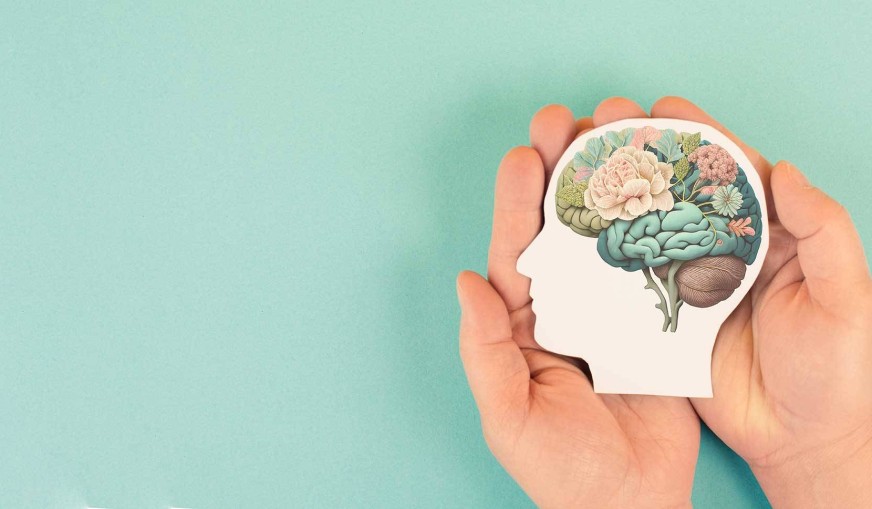
Mental health is an important factor in determining quality of life. Eating habits can have a significant effect on mental health. In this context, B vitamins and their effects on mental health are being studied more and more.
What Are B Vitamins?
B vitamins are a group of water-soluble vitamins that are essential for the body. They include B1 (thiamine), B2 (riboflavin), B3 (niacin), B5 (pantothenic acid), B6 (pyridoxine), B7 (biotin), B9 (folate) and B12 (cobalamin).
Each of these vitamins has different biological functions in the body. They generally play important roles in energy metabolism, nervous system function and cell health.
Effects of B Vitamins on Mental Health
The effects of B vitamins on mental health come about through various mechanisms. Some important effects are:
- Nervous system function: B vitamins support the function of the nervous system. Vitamin B12 in particular helps keep nerve cells healthy and plays an important role in nerve signalling. For this reason a B12 deficiency can be linked with mental health difficulties such as low mood and memory problems.
- Energy metabolism: B vitamins play a critical role in making energy in the body. The brain uses energy all the time, so getting enough B vitamins supports brain function.
- Coping with stress: some B vitamins, especially B6 and folate, play an important role in coping with stress. Stress can have a negative effect on mental health, and getting enough B vitamins can support the body's stress-coping mechanisms.
- Memory and concentration: some research suggests that B vitamins, especially B6, B9 and B12, may have positive effects on memory and concentration. A deficiency in these vitamins can be linked with a decline in cognitive function.
B Vitamins and Depression
Depression is a common mental health problem worldwide. Some research has looked at whether certain B vitamins might play a supporting role in low mood. Folate and vitamin B12 deficiency in particular have been linked with the risk of depression. Getting enough B vitamins is therefore one part of a balanced diet. B vitamins are not a treatment for depression; if you are struggling with your mood, speak to your doctor.
Ways to Get B Vitamins
Getting B vitamins from natural foods is the best approach. Good sources of some B vitamins are:
- B1 (thiamine): oats, hazelnuts, dried beans
- B2 (riboflavin): yoghurt, milk, almonds
- B3 (niacin): tuna, turkey, wholegrains
- B5 (pantothenic acid): chicken, eggs, broccoli
- B6 (pyridoxine): bananas, potatoes, chicken breast
- B7 (biotin): egg yolk, almonds, avocado
- B9 (folate): spinach, lentils, oranges
- B12 (cobalamin): salmon, beef, dairy products
B Vitamin Supplements and Recommendations
B vitamins can generally be obtained through a balanced diet. In some cases, however, a supplement may be needed for a deficiency or increased needs. Certain groups, such as older adults, pregnant or breastfeeding women, and vegetarians or vegans, may need B vitamin supplements. It is important to speak to a healthcare professional before taking supplements, because some B vitamins taken in excess can cause side effects.
Other Links Between Eating and Mental Health
As well as the effects of B vitamins on mental health, eating in general plays an important role in mental health. A balanced diet supports brain function, helps regulate mood and can help with coping with stress. Other nutrients such as omega-3 fatty acids, antioxidants, proteins and minerals may also have positive effects on mental health.
Alongside eating habits, regular physical activity is also important for mental health. Exercise raises the release of endorphins, which can lift mood, reduce stress and support cognitive function. For this reason it is important to pay attention to both eating habits and regular exercise to look after mental health.
In conclusion, mindful eating habits are important for mental health. A balanced diet supports mental health by providing B vitamins as well as other nutrients. Because each person's nutritional needs are different, it is important to build an eating plan that suits your personal health and preferences.
This article is for general information only; please consult your doctor and dietitian about your own situation.
Book an appointment for a personalised nutrition plan
The information in this article is general; what you need depends on your age, health and goals. Message us and we will build the plan that suits you together.

This content is for information only. For a personalised nutrition programme, please consult a dietitian.


