

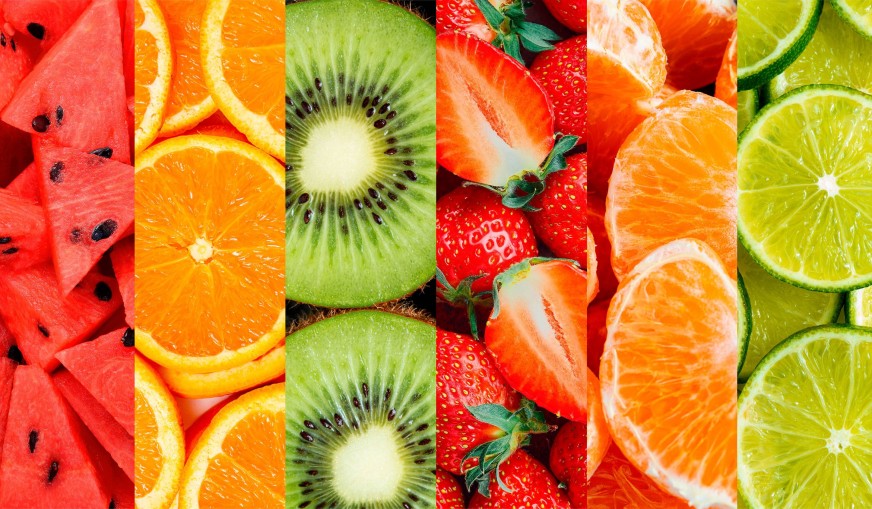
Vegetables and fruit are both tastier and higher in nutritional value when eaten in season. Eating seasonally is therefore a staple of a healthy eating plan. Vegetables and fruit are also usually much more affordable in season.
Why Should Vegetables and Fruit Be Eaten in Season?
It is impossible to find in a winter tomato the taste of a tomato eaten in summer. Eating fruit and vegetables in season also lets you get more from the nutrients natural foods offer. Seasonal fruit and vegetables do not spend a long time in transit before reaching your table, which helps them keep their vitamin and mineral content.
In light of this, we can say that the secret to tasty, nutrient-rich eating is to eat vegetables and fruit in season.
Below you can find which foods you can add to your healthy eating plan in which month. The lists reflect what is in season in Turkey.
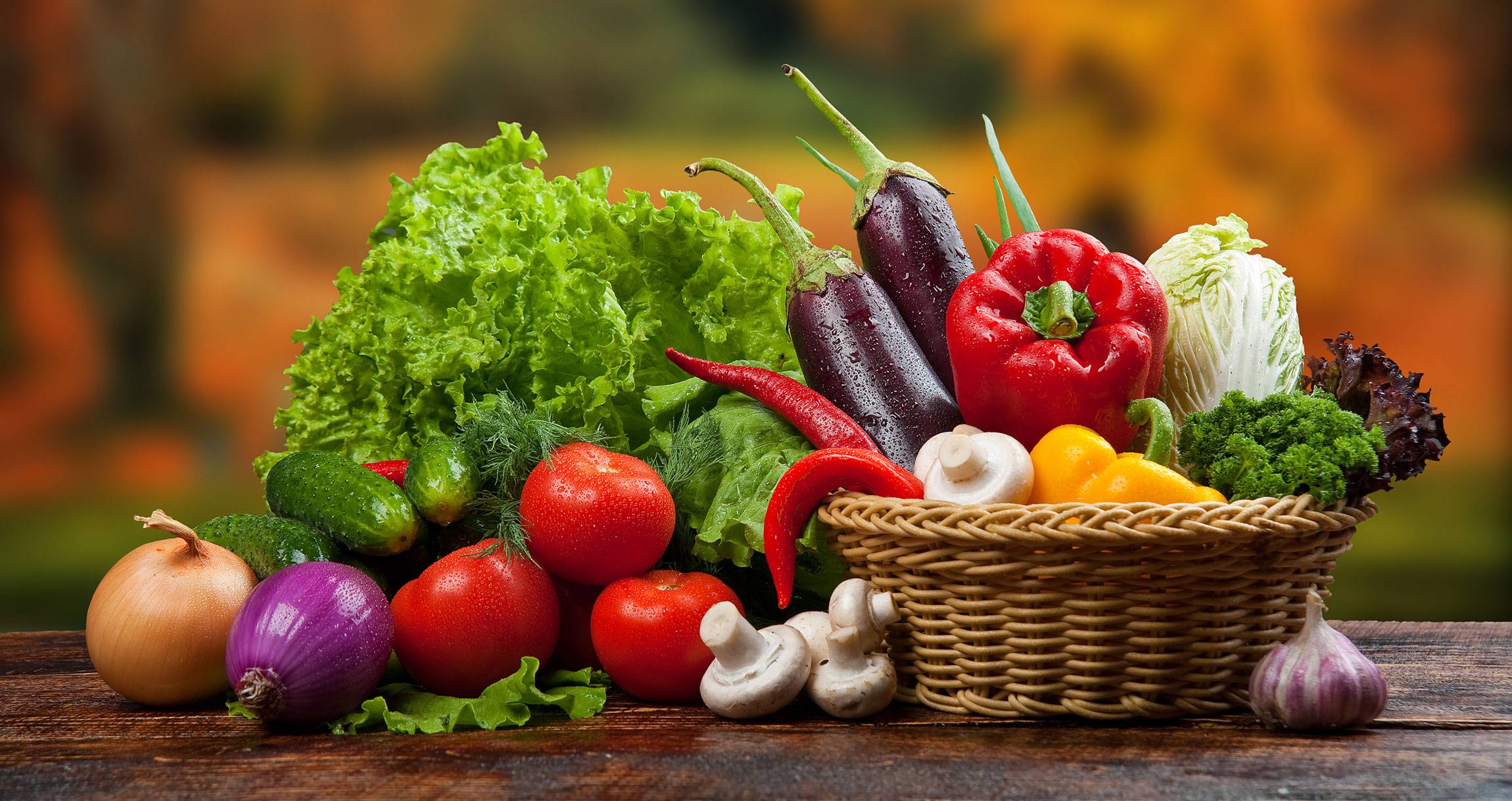
Foods to Eat in Winter
In the winter months we need to be on guard against colds, flu and low mood, so it helps to choose foods that provide nutrients your immune system uses.
December
- Cauliflower
- Pumpkin (winter squash)
- Cabbage
- Mandarin
- Lemon
- Spinach
- Celery
- Quince
- Carrot
- Chard
- Leek
- Brussels sprouts
- Banana
- Apple
- Orange
January
- Brussels sprouts
- Carrot
- Grapefruit
- Lemon
- Chard
- Celery
- Cabbage
- Broccoli
- Leek
- Radish
- Spinach
- Orange
- Apple
- Pomegranate
February
- Radish
- Chard
- Carrot
- Apple
- Brussels sprouts
- Spinach
- Banana
- Orange
- Broccoli
- Leek
- Beetroot
- Quince
Foods to Eat in Spring
In spring, when allergy troubles start, add foods rich in vitamins to your healthy eating plan.
March
- Spinach
- Rosemary
- Carrot
- Banana
- Broccoli
- Leek
- Lettuce
- Rocket
- Mint
- Parsley
- Orange
- Apple
April
- Artichoke
- Asparagus
- Spring onion
- Lettuce
- Fresh broad beans
- Peas
- Fresh garlic
- Fresh thyme
- Plum
- Green almonds (cagla)
- Strawberry
May
- Artichoke
- Pearl onion
- Cucumber
- Borlotti beans
- Asparagus
- Fresh broad beans
- Strawberry
- Purslane
- Plum
- Mallow (ebegumeci)
- Tomato
- Aubergine
- Cherry
Foods to Eat in Summer
In summer, add foods rich in sodium and potassium to your healthy eating plan to help replace fluids lost through sweating, and remember to drink plenty of water.
June
- Green beans
- Artichoke
- New potatoes
- Borlotti beans
- Courgette
- Cucumber
- Peas
- Apricot
- Fennel
- Green pepper
- Stuffing pepper
- Tomato
- Purslane
- Basil
- Strawberry
- Sour cherry
- Cherry
July
- Chard
- Green beans
- Long green pepper
- Peas
- Green almonds (cagla)
- Tomato
- Blackberry
- Cucumber
- Purslane
- Pear
- New potatoes
- Aubergine
- Dill
- Courgette
- Fig
- Stuffing pepper
- Sour cherry
- Mulberry
- Apricot
- Peach
August
- New potatoes
- Aubergine
- Tomato
- Garlic
- Fresh black-eyed peas
- Green beans
- Okra
- Onion
- Chard
- Melon
- Mulberry
- Sweetcorn
- Watermelon
- Courgette
- Apricot
Foods to Eat in Autumn
In autumn, add foods to your healthy eating plan that help prepare your body for winter and provide nutrients your immune system uses.
September
- Aubergine
- Damson plum
- Green pepper
- Pomegranate
- Okra
- New potatoes
- Apple
- Sweetcorn
- Tomato
- Purslane
- Celery
- Grape
- Pear
October
- Red radish
- New potatoes
- Apple
- Celery
- Courgette
- Persimmon
- Mandarin
- Leek
- Jerusalem artichoke
- Cauliflower
- Cabbage
- Banana
- Pomegranate
- Quince
November
- Pumpkin (winter squash)
- Cauliflower
- Celery
- Chard
- Chestnut
- Persimmon
- Carrot
- Lemon
- Kiwi
- Radish
- Mandarin
- Cabbage
- Jerusalem artichoke
- Spinach
- Banana
- Pomegranate
- Orange
This article is for general information only; please consult your doctor and dietitian about your own situation.
Book an appointment for a personalised nutrition plan
The information in this article is general; what you need depends on your age, health and goals. Message us and we will build the plan that suits you together.

This content is for information only. For a personalised nutrition programme, please consult a dietitian.


