

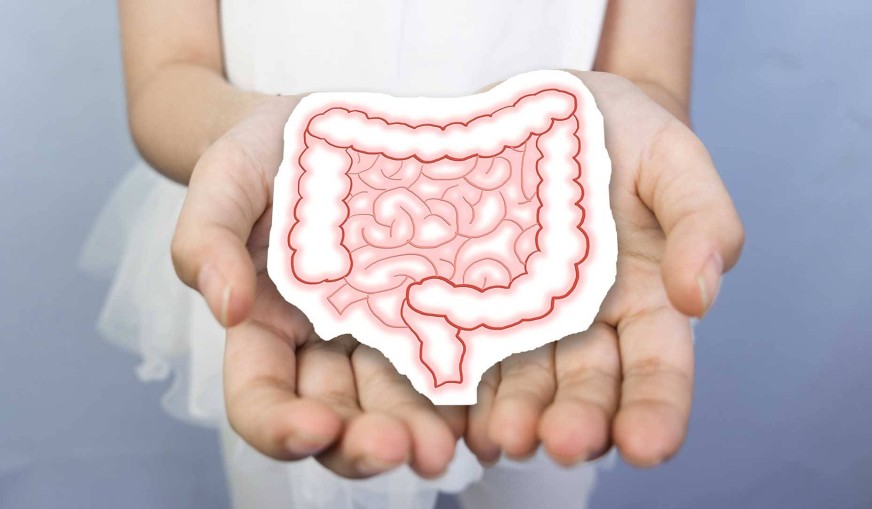
Leaky gut syndrome is a condition that affects digestive health and may be linked with a range of symptoms. It is thought to involve damage to, or weakening of, the lining of the gut so that the intestinal barrier no longer works as it should.
Leaky Gut Syndrome
Leaky gut syndrome describes a situation in which the tight connections that normally hold the cells lining the gut together loosen or weaken, so the intestinal barrier is disturbed.
Normally the tight junctions between gut cells stop harmful substances from passing through the gut wall while allowing nutrients and beneficial substances to be absorbed. In leaky gut syndrome, these tight junctions are thought to loosen or break down.
What Are the Possible Causes?
Possible causes of leaky gut syndrome include:
- Dietary factors: poor eating habits, too little fibre, a lot of refined sugar and processed foods, and intolerance to gluten and lactose may play a part in the development of leaky gut syndrome.
- Stress: chronic stress can make the gut more sensitive and may disturb the intestinal barrier.
- Antibiotic use: antibiotics that are taken for a long time or used incorrectly can upset the balance of healthy bacteria in the gut and may contribute to leaky gut syndrome.
- Inflammatory bowel disease: inflammatory bowel diseases such as Crohn's disease or ulcerative colitis can weaken the intestinal barrier and may be linked with leaky gut syndrome.
What Are the Symptoms of Leaky Gut Syndrome?
Symptoms may include:
- Digestive problems: stomach pain, bloating, gas, diarrhoea or constipation. These symptoms are thought to be related to harmful substances passing through the gut and causing reactions in the digestive system.
- Food intolerance: it may be linked with the development of intolerance to some foods. Sensitivity to gluten, lactose or some artificial additives may increase.
- Immune problems: harmful substances passing through the gut wall may trigger an immune response, which is thought to be linked with autoimmune conditions, allergies and other immune problems.
- Tiredness and weakness: it is thought that the spread of harmful substances through the body can lower energy levels and lead to constant tiredness or weakness.
- Skin problems: skin conditions such as acne, eczema and psoriasis are often associated with this condition.
- Mental health: some research is exploring a possible link between leaky gut syndrome and mental health problems such as anxiety and depression, and even neurological problems. This research is still developing.
Managing Leaky Gut Syndrome
The management of leaky gut syndrome aims to reduce the severity of symptoms and support the intestinal barrier. It usually involves a combination of lifestyle changes, eating patterns and supportive approaches, ideally under the guidance of your doctor.
Approaches that are commonly discussed include:
Dietary Changes
- Identifying potential trigger foods and removing them from the diet: foods such as gluten, dairy, sugar and processed foods can make gut symptoms worse for some people.
- Eating fibre-rich foods to support gut health: foods such as vegetables, fruit, wholegrains and chia seeds can support gut health.
- Probiotics: probiotic supplements or foods that contain probiotics may support the balance of beneficial bacteria in the gut.
Stress Management
- Because stress can affect gut health, it is important to use stress-management techniques. Yoga, meditation, deep breathing exercises and regular exercise can all help reduce stress.
Supportive Approaches
- Nutritional supplements are sometimes discussed to support the gut, such as L-glutamine, zinc, omega-3 fatty acids, vitamin C and probiotics. It is important to talk to a healthcare professional before using any supplement.
Medical Care
- In some cases a doctor may decide that medication is needed to ease symptoms. This is not always necessary, so it needs to be assessed by a healthcare professional.
Supporting the Immune System
- Leaky gut syndrome is thought to be closely linked with the immune system, so supporting the immune system is important. Regular exercise, enough sleep, stress management and healthy eating all support the immune system.
This article is for general information only; please consult your doctor and dietitian about your own situation.
Book an appointment for a personalised nutrition plan
The information in this article is general; what you need depends on your age, health and goals. Message us and we will build the plan that suits you together.

This content is for information only. For a personalised nutrition programme, please consult a dietitian.


