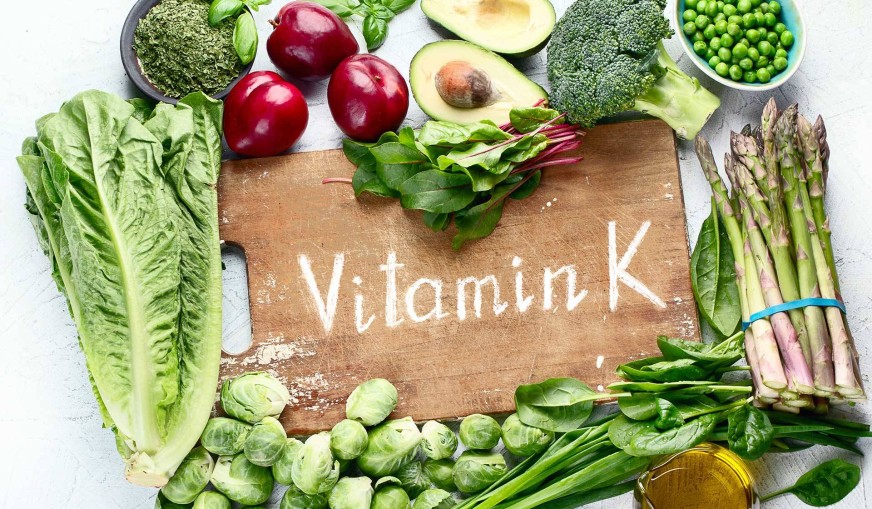
Vitamin K is an important vitamin and nutrient needed for blood clotting. It activates clotting factors in the liver and helps the blood to clot normally. For this reason, a lack of vitamin K can affect blood clotting and may lead to various health problems. In this article we look at the effects of vitamin K deficiency on blood clotting.
What Does Vitamin K Do?
Vitamin K is a type of vitamin that supports various biological functions in the body. It has two main forms: K1 (phylloquinone) and K2 (menaquinones).
The main functions of vitamin K in the body are:
- Blood clotting: it plays an important role in the clotting process. Some of the clotting factors, especially prothrombin, are activated by this vitamin. For this reason vitamin K deficiency can cause clotting problems and increase the risk of excessive bleeding.
- Bone health: it is an important vitamin for supporting bone health. The K2 form in particular may support bone health by contributing to bone mineralisation and helping direct calcium to the bones. This is being studied in relation to bone conditions such as osteoporosis.
- Blood vessel health: it is a vitamin that helps look after the health of blood vessels. The K2 form may reduce the build-up of calcium in blood vessel walls (arterial calcification, or hardening of the arteries).
- Cell growth and repair: vitamin K contributes to the activation of proteins involved in cell growth and repair. This is important for the body's healthy growth and development and for tissue repair.
- Antioxidant activity: it has antioxidant properties and can help fight free radicals that damage cells. This antioxidant activity may have positive effects on general health.
Vitamin K is generally found in foods such as green leafy vegetables (spinach, broccoli, cabbage), red meat, milk and eggs. Vitamin K2 can also be made by the gut flora, and a noticeable amount is found in the body this way.
What Are the Signs of Vitamin K Deficiency?
Signs of vitamin K deficiency may include:
- Easy bruising, nosebleeds, bleeding gums and heavy periods.
- Bruising or spotting (petechiae) under the skin.
- Neurological signs such as headaches, irritability and reduced mental clarity.
- It may contribute to bone conditions such as osteoporosis and other problems that can harm the skeleton.
- Vitamin K deficiency may lead to calcium building up in vascular tissue (blood vessel walls). This can increase arterial calcification and have negative effects on cardiovascular health.
These signs can have many causes. If you notice any of them, speak to your doctor rather than trying to work out the cause yourself.
What Are the Effects of Vitamin K Deficiency on Blood Clotting?
Vitamin K plays an important role in the blood clotting process. For this reason a deficiency can mean clotting factors are not activated enough and normal clotting function is disturbed.
The effects of vitamin K deficiency on blood clotting include:
- Reduced prothrombin activation: prothrombin is a protein that plays an important role in blood clotting. If prothrombin is not activated enough in vitamin K deficiency, the blood can take longer than normal to clot.
- Other clotting factors are affected: as well as prothrombin, vitamin K deficiency can affect other clotting factors. Other clotting factors such as factors VII, IX and X are regulated by vitamin K and may not be activated when there is a deficiency.
- Clots form less easily: when the blood takes longer than normal to clot, it can be harder to control bleeding from injuries or trauma. This can cause signs such as excessive bruising, nosebleeds, bleeding gums and heavy periods.
- Bleeding and bruising under the skin: vitamin K deficiency can cause bruising or spotting (petechiae) under the skin. This happens when the small blood vessels become weaker and more prone to bleeding easily.
In vitamin K deficiency, your doctor may decide whether vitamin K supplements or medicines containing vitamin K are needed. It is important to speak to a healthcare professional before using such supplements, because taking too much vitamin K can also cause health problems.
This article is for general information only; please consult your doctor and dietitian about your own situation.
Book an appointment for a personalised nutrition plan
The information in this article is general; what you need depends on your age, health and goals. Message us and we will build the plan that suits you together.

This content is for information only. For a personalised nutrition programme, please consult a dietitian.