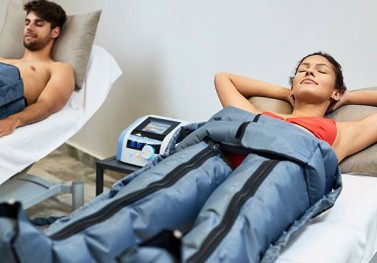
Technologies for body shaping and muscle conditioning are developing quickly. EMS (electromagnetic muscle stimulation) is one of the methods that attracts the most attention. It uses electromagnetic energy to stimulate the muscles, and it is used as a complementary step in body-shaping routines.
So how does EMS work, who is it suitable for and what might it offer? Here is what you need to know.
What is EMS technology?
EMS, or electromagnetic muscle stimulation, is a method that sends magnetic waves into the muscles from outside the body to trigger muscle contractions. When you exercise, your muscles are normally activated by signals from the central nervous system. With EMS, contractions can be triggered without those signals from the brain.
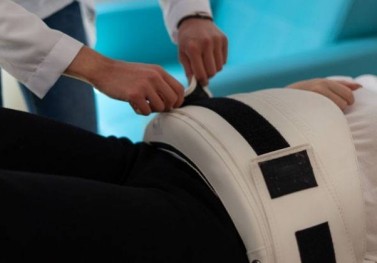
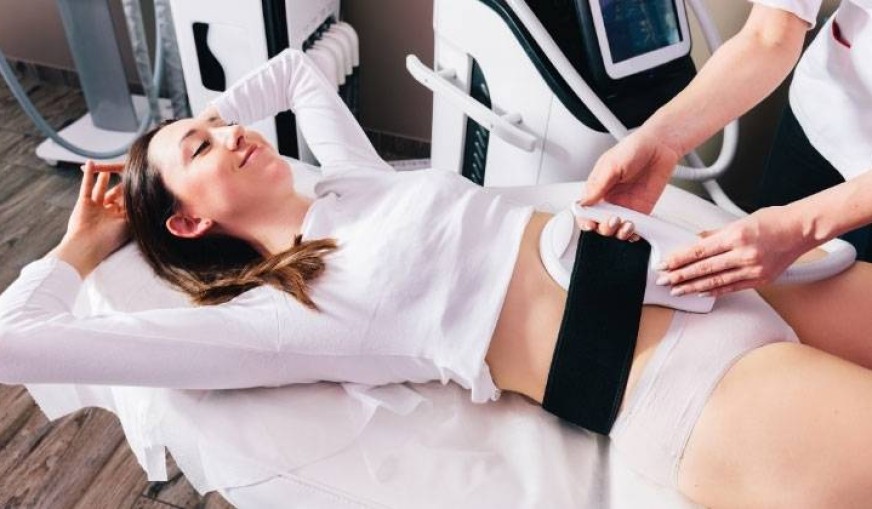
The EMS device emits electromagnetic waves through applicators placed on specific areas of the body, causing the muscles to contract involuntarily. These contractions are more intense than those made during normal exercise.
Areas of use for EMS
EMS is used for aesthetic goals such as muscle conditioning, and it is also used in physiotherapy and rehabilitation settings. Common uses include:
- Muscle conditioning: used by some athletes as an addition to training to support muscle development and endurance.
- Body shaping: used on areas such as the abdomen, hips, legs and arms as a complementary step in shaping routines.
- The appearance of cellulite: may support circulation under the skin, which may help the look of the skin.
- Physiotherapy and rehabilitation: used to reactivate muscles in people who have lost muscle strength.
- Athletic training: used as an addition to the training programmes of some athletes.
Possible advantages of EMS
Compared with traditional exercise, the main attraction of EMS is that it activates the muscles intensely in a short session. Its possible advantages include:
- Deep muscle stimulation: it can activate deeper muscle groups that are hard to reach with normal exercise.
- Support for body shaping: it may help improve muscle tone in areas such as the abdomen, hips, legs and arms.
- Time-saving: it may suit people who cannot spend long hours exercising, although it does not replace regular physical activity.
- Non-invasive: it does not involve surgery. Some people may feel a strong muscle contraction or mild discomfort during a session.
- Support for rehabilitation: under the guidance of a healthcare professional, it may help re-activate muscles in people who have lost muscle strength.
How are EMS sessions carried out?
EMS sessions are programmed for the individual. A session usually lasts around 30 minutes, and one or two sessions a week are commonly suggested.
During a session:
- You wear comfortable clothing and the applicators are positioned on the area being treated.
- The device sends electromagnetic waves to make the muscles contract at set frequencies.
- You stay still while the muscles work intensely.
- Afterwards, your muscles may feel mildly tired, similar to after exercise.
Responses differ from person to person.
Who is EMS suitable for?
EMS is generally considered for healthy adults, but the following people should avoid it:
- People with a pacemaker or any other electronic medical device
- Pregnant women
- People with epilepsy
- People with a serious muscle or nerve condition
Please speak to your doctor before having EMS, and make sure the sessions are carried out by trained professionals.
How many sessions are usually suggested?
The effects of EMS vary from person to person. Programmes of several sessions are commonly offered, and the number should be agreed with the professional who carries out the treatment.
For people who want to support muscle definition as part of body shaping, regular sessions combined with healthy habits are generally recommended.
Can EMS help with weight management?
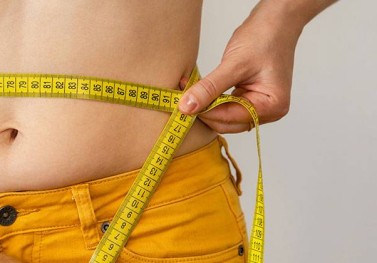
EMS does not directly target fat. Because it works the muscles, it may play a supporting role in body shaping, but it is not a weight loss method on its own.
Supporting EMS with balanced nutrition and regular exercise is a sensible approach.
EMS as part of a stronger, fitter routine
EMS is a technology that aims to support muscle conditioning and body shaping by causing intense muscle contractions. It may be an option for people with limited time or for those who would like extra support alongside a traditional exercise programme.
Results vary from person to person, and EMS is better seen as a complement to healthy eating and regular physical activity.
This article is for general information only; please consult your doctor and dietitian about your own situation.
Book an appointment for a personalised nutrition plan
The information in this article is general; what you need depends on your age, health and goals. Message us and we will build the plan that suits you together.

This content is for information only. For a personalised nutrition programme, please consult a dietitian.