

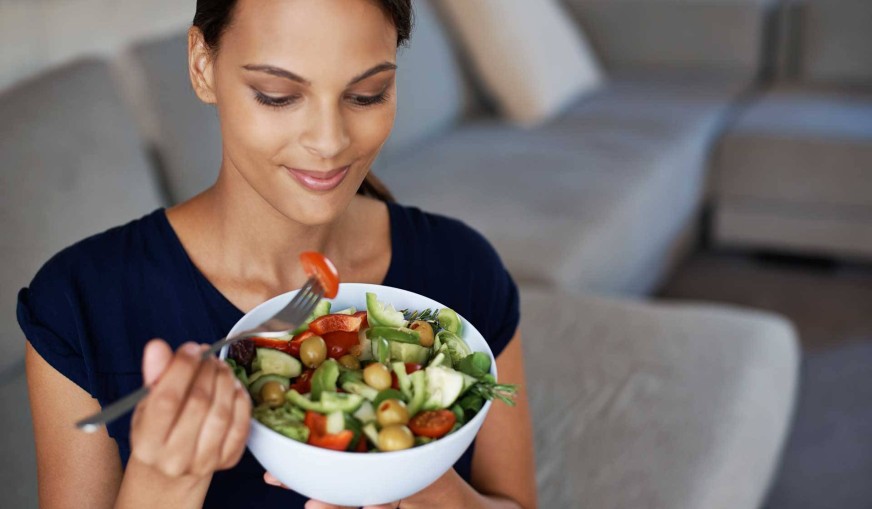
Interest in plant-based eating has grown in recent years. Veganism and vegetarianism have become popular ways of eating for both health and ethical reasons. There are, however, some points to bear in mind if these diets are to be followed healthily, because vegan and vegetarian eating can lead to certain nutrient shortfalls when it is not planned properly.
The Basics of Vegan and Vegetarian Eating
First, it is important to understand the difference between veganism and vegetarianism. Vegetarians leave animal products such as meat and fish out of their diet, but they may eat some animal products such as milk, cheese, yoghurt and eggs. Vegans avoid animal products altogether. Both ways of eating can offer benefits for health and for the environment. To make sure these diets are balanced and adequate, however, careful planning is needed.
Commonly Seen Nutrient Shortfalls
The nutrient shortfalls commonly seen with vegan and vegetarian eating are as follows:
Protein
Protein forms the building blocks of our body. It is needed for cell repair and muscle development. Getting enough protein on a vegan or vegetarian diet can be harder because animal products are left out, but enough protein can be obtained from plant sources. Foods such as beans, lentils, chickpeas, tofu, tempeh and quinoa are rich in protein. Chia seeds, pumpkin seeds and hemp seeds are also good sources of protein.
Vitamin B12
Vitamin B12 is critical for nervous system health and DNA synthesis. Found only in animal products, this vitamin can be lacking in vegan diets. Vegetarians who eat animal products such as milk and eggs may get enough B12. Vegans, however, need to eat B12 supplements or plant milks and foods fortified with B12, as advised by their doctor or dietitian.
Iron
Iron plays an important role in making haemoglobin, which carries oxygen. On vegan and vegetarian diets, iron can be obtained from plant sources, but this form of iron (non-haem iron) is not absorbed as well as the iron in animal sources.
Iron-rich foods include red lentils, spinach, tofu, pumpkin seeds and wholegrains. To help the absorption of iron, eat these foods together with foods rich in vitamin C (for example red pepper or orange).
Calcium
Calcium is important for bone and dental health. Vegans, and some vegetarians who do not eat milk and dairy products, may find it harder to get enough calcium. Plant sources rich in calcium include kale, broccoli, almonds, sesame and plant milks fortified with calcium. Calcium supplements are also an option, if your doctor or dietitian advises them.
Omega-3 Fatty Acids
Omega-3 fatty acids are needed for heart health and brain function. The EPA and DHA forms that come from animal sources (fish) are not found in plant sources. Vegans and vegetarians can, however, get ALA (alpha-linolenic acid) from plant sources such as flaxseeds, chia seeds, walnuts and hemp seeds. ALA can be converted to EPA and DHA in the body, but this conversion can be quite inefficient. Supplements containing DHA and EPA can therefore be considered, in discussion with your doctor or dietitian.
Enough Calories and Nutrient Density
Some foods in vegan and vegetarian diets can be lower in calorie density, which can make it harder to get enough calories and nutrients. To get enough calories, include foods such as nuts, seeds, avocado and wholegrains in your diet.
Ways of Making Up for Nutrient Shortfalls
You can use the following approaches to make up for nutrient shortfalls on vegan and vegetarian diets:
- Balanced and varied eating: Variety matters on vegan and vegetarian diets. Eat vegetables of different colours, wholegrains, nuts and seeds.
- Supplements: Vitamin and mineral supplements may be used to make up for missing nutrients. Supplements of vitamin B12, vitamin D and omega-3 fatty acids in particular are often discussed. Please agree on these with your doctor or dietitian.
- Reading food labels: Check food labels and choose fortified foods and enriched products.
- Working with a nutrition specialist: Working with a nutrition specialist can help you create a plan that suits your personal needs.
A healthy vegan or vegetarian diet, when it is well planned, can meet the body's needs and support your health.
This article is for general information only; please consult your doctor and dietitian about your own situation.
Book an appointment for a personalised nutrition plan
The information in this article is general; what you need depends on your age, health and goals. Message us and we will build the plan that suits you together.

This content is for information only. For a personalised nutrition programme, please consult a dietitian.


