

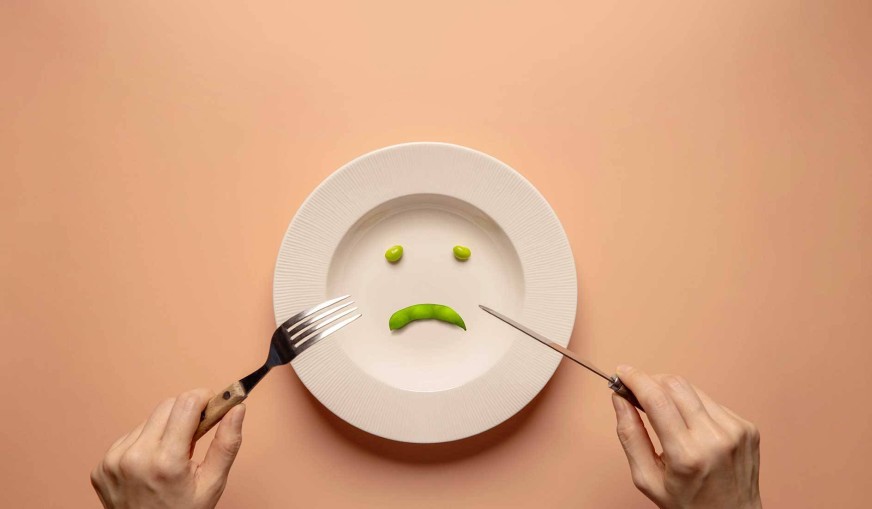
Eating disorders describe conditions in which there are imbalances in eating habits and eating behaviour. These disorders can affect a person's physical and mental health negatively and can have serious consequences. Recognising eating disorders, understanding the signs and knowing the risk factors are needed for early help, and they are also important for care and recovery.
What Are Eating Disorders?
Eating disorders are conditions characterised by an unhealthy change in eating habits and eating behaviour. They can appear in various forms, such as binge eating disorder, anorexia nervosa and bulimia nervosa. These disorders can cause physical health problems and psychological difficulties.
Signs and Symptoms
The signs and symptoms of eating disorders can vary from person to person and differ according to the type of disorder. In general, however, the following signs can appear:
- Extreme weight loss or weight gain
- Sudden changes in eating habits
- Avoiding eating, or vomiting after eating
- Dieting all the time, or being overly preoccupied with weight control
- Intense worry or distress about body image
- Emotional and psychological problems, especially depression, anxiety and low self-esteem
Risk Factors for Eating Disorders
More than one factor plays a part in the development of eating disorders. Some common risk factors are:
- Genetic predisposition: people with a family history of eating disorders are at higher risk of such disorders.
- Social and cultural pressures: factors such as the media, the fashion industry and society's general expectations can affect body image negatively and contribute to the development of eating disorders.
- Psychological factors: mental health difficulties such as low self-esteem, anxiety and depression can play an important part in the appearance of eating disorders.
- Biological and neurological factors: changes in brain chemistry or differences in brain structure can play a part in the development of eating disorders.
- Life events: traumatic events, stressful living conditions or life changes can trigger the appearance of eating disorders.
Early Help and Care
Eating disorders have the potential to lead to serious health problems. For this reason, early diagnosis and care are important.
Care generally involves a multidisciplinary approach, which can include psychotherapy, nutrition counselling and medical care. Early help can improve a person's chances of returning to health and can help prevent complications.
Ways of Coping with Eating Disorders
Coping with eating disorders can be a long process. For this reason, as well as the person's own effort, a supportive environment is important. The following strategies can help in this process:
- Getting professional help: it is important to get help from specialists such as dietitians, psychologists and psychiatrists.
- Joining support groups: getting in touch with others who are struggling with an eating disorder and sharing your experiences can support your recovery.
- Learning healthy coping methods: skills such as coping with stress, recognising emotional needs and building healthy relationships can help in coping with eating disorders.
Raising Awareness of Eating Disorders
Eating disorders are still a misunderstood subject in society. For this reason it is important to raise awareness of eating disorders and to give accurate information about them. Greater public awareness can help people struggling with eating disorders to be supported and better understood.
In conclusion, recognising the signs and risk factors of eating disorders is critical for early help and care. A supportive environment and professional guidance are also needed to deal with these disorders. It is also important to create more awareness of eating disorders in society and to give accurate information about them. Dealing with eating disorders is an important step towards looking after people's health and helping them lead happier lives.
This article is for general information only; please consult your doctor and dietitian about your own situation.
Book an appointment for a personalised nutrition plan
The information in this article is general; what you need depends on your age, health and goals. Message us and we will build the plan that suits you together.

This content is for information only. For a personalised nutrition programme, please consult a dietitian.


