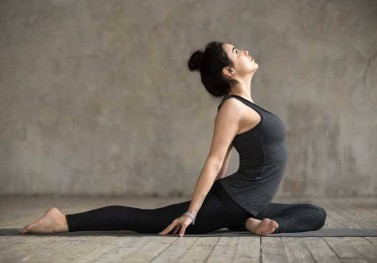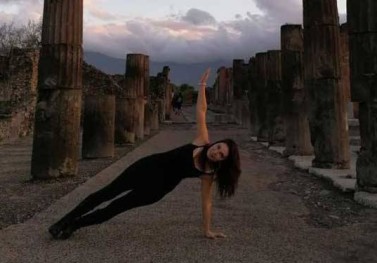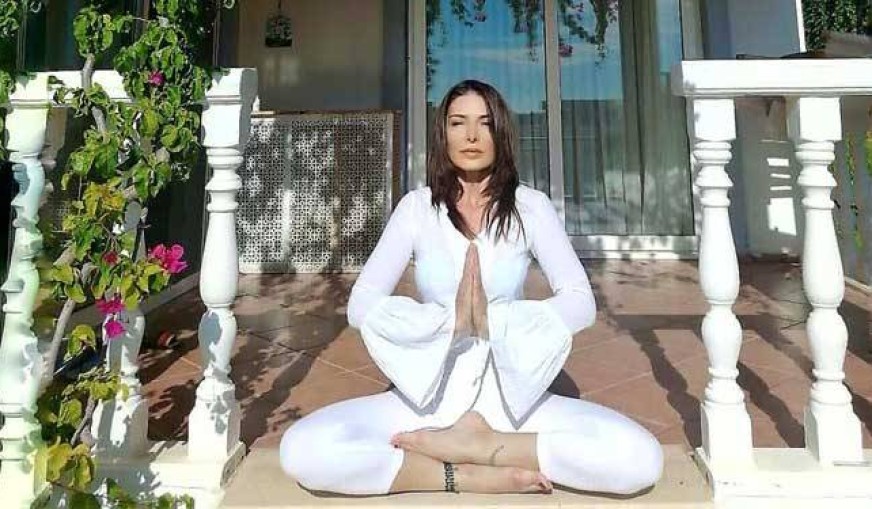
Yoga is a wonderful discipline to choose for stepping away from daily stress and for relaxing and strengthening the mind and body. Listening to yourself can support your motivation for life and your awareness of the world around you.
WHAT IS YOGA?
The word yoga comes from "yuj", meaning union. It is thought to be as old as human history, although its starting date is unknown. It is less an exercise than an inward focus. Many techniques are used for a healthy, comfortable and good-quality life, with attention on the self, the breath and energy. Yoga is not a belief system; it is an art of living.
HOW IS YOGA PRACTISED?
How yoga is practised changes according to its type. Although the aims are similar, the factors each type focuses on differ, so it would be wrong to say "this is how yoga is done". What can be said in common is that it should be practised comfortably, without pushing the limits of your body.
WHAT ARE THE TYPES OF YOGA?
The types of yoga include Yin Yoga, Hatha Yoga, Vinyasa Yoga, Restorative Yoga, Kundalini Yoga, Bikram Yoga, Pregnancy Yoga, Children's Yoga and Yoga Therapy.
- Yin Yoga: A type of yoga in which the poses are held passively on the floor. Its aim is to support the body's flexibility. Compared with other types of yoga, you stay in the poses for longer and remain still, which gently stretches the connective tissues.
- Hatha Yoga: The best-known basic, classic type of yoga. It has a balancing character and aims to build the body's capacity. It is often chosen by people who want to start yoga.
- Vinyasa Yoga: Breath and movement flow together. To move from one pose to the next, movement and breath must be synchronised. It is one of the more energetic types of yoga.
- Restorative Yoga: Its aim is deep rest and renewal. Muscles and connective tissues are consciously relaxed, and the poses are held passively with the support of props.
- Kundalini Yoga: Also described as the yoga of awareness. It is a type of yoga that draws on kundalini, an energy believed to sit at the base of the spine. The poses are combined with intensive breathing practice.
- Bikram Yoga: In this type, the room where yoga is practised is kept hot. The poses are done at 38-40 degrees Celsius. The idea is that warmth makes the connective tissues stretch more easily. Because the heat can be demanding, it is best to check with your doctor first.
- Pregnancy Yoga: A type of yoga that has become very popular recently. It is designed to make the pregnancy period more comfortable and to help the body prepare for birth, and it may also help in bonding with the baby. It focuses on gentle flexibility of the pelvis and hip area and on breath control. Please check with your doctor or obstetrician before starting.
- Children's Yoga: One of the types of yoga growing in popularity as parents become more aware of it. Classic yoga poses are adapted to suit children. Children's yoga can support the development of body awareness and coordination, and children gain flexibility and strength while having fun.
- Yoga Therapy: Yoga therapy places more emphasis on emotional well-being. It aims at mental as well as physical relaxation and is supported by breathing techniques. It is a type of yoga that some people living with stress, sleep difficulties, tiredness, or back, neck and shoulder discomfort find supportive. It can be a gentle complement to medical care and a way to prepare people for classic yoga, but it does not replace treatment from your doctor.
WHAT EQUIPMENT DO YOU NEED FOR YOGA?
- A mat is needed so you can move without slipping during poses and transitions.
- Wear flexible, breathable clothes that do not restrict your movement.
- Props, which vary according to the type of yoga, make practice easier. For example: foam blocks, wooden blocks, cushions and straps.
This article is for general information only; please consult your doctor and dietitian about your own situation.
Book an appointment for a personalised pregnancy nutrition plan
Nutritional needs in pregnancy change with the week of pregnancy, weight change and test results. Message us for a plan that fits your doctor's advice.

This content is for information only. For a personalised nutrition programme, please consult a dietitian.