

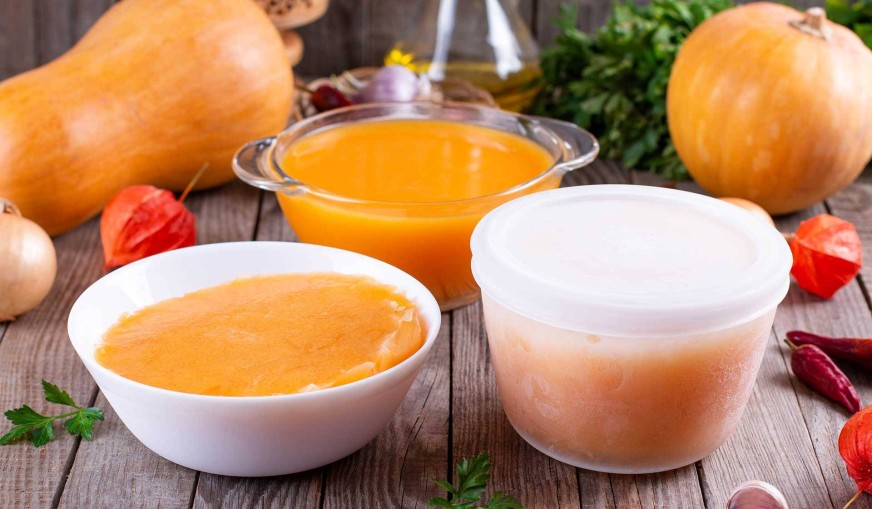
As the winter months approach, preparations in the kitchen increase. Vegetable soups are among the tastiest and most nourishing foods we can eat through the winter. Light and wholesome, vegetable soups are a popular choice, and preparing them in advance makes them quick to enjoy in winter. So how can vegetable soups be kept fresh for a long time?
How Should Vegetable Soup Be Prepared?
Before storing vegetable soups for a long time, it is important to prepare them properly. Choose the vegetables you use with care and make sure they are fresh. Seasonal vegetables improve the flavour of your soup. Leaving the vegetables slightly firm rather than overcooking them also helps the soup keep its nutritional value during storage.
It is also helpful to cook the soup without salt when you plan to store it. Salt can change the structure of food over time, so adding it when you are about to eat the soup is more suitable.
Storage Methods
There are a few storage methods you can choose from to keep vegetable soups fresh for a long time. These methods matter for preserving the soup's nutritional value and flavour.
Storing in the Fridge
Vegetable soups can be kept in the fridge for a short time. Once the soup has cooled, you can put it in an airtight container in the fridge. Soups stay fresh in the fridge for 3 to 4 days. When you reheat soup that has been kept in the fridge, bring it to a full boil so that it is piping hot all the way through.
Storing in the Freezer
Freezing is one of the best ways of keeping vegetable soups fresh for longer. After cooking and cooling the soup, you can put it in the freezer in portions, using freezer-safe containers or sealable bags. Soups keep well in the freezer for 3 to 6 months. Before eating, it is best to thaw the soup in the fridge and reheat it slowly.
Jarring (Home Canning)
Preserving vegetable soups in jars is a traditional method, but there are a few important points to bear in mind. Home preserving of soups needs very careful food-safety practice, because low-acid foods such as soup can carry risks if they are not processed correctly. Boiling filled jars in water alone is generally not enough for low-acid foods, so for safety we suggest freezing your soups instead. If you do preserve in jars, follow tested canning guidance exactly and pay special attention to hygiene.
What to Watch For When Storing Vegetable Soups
There are some important points to watch for when storing vegetable soups for a long time. They matter for keeping your soup tasty and fresh.
- Make sure the soup has cooled completely: Always wait for your soup to cool completely before storing it. Putting hot soup straight into the fridge or freezer can raise the temperature of other foods, which can allow bacteria to grow.
- Use airtight containers: It is important to use airtight containers for storing vegetable soups. Soups in contact with air spoil faster and lose flavour. Storing soup in portions also makes it easier to use.
- Label the date: Do not forget to stick a date label on the soups you put in the freezer or fridge. This way you can easily keep track of which soup to eat and when. This step is especially important for soups stored in the freezer.
Thawing and Reheating Vegetable Soups
Thawing and reheating the soups you have frozen in the right way matters for preserving their nutritional value and flavour. After taking the soup out of the freezer, let it thaw slowly in the fridge. Fast reheating methods such as the microwave can affect the flavour of the soup. Reheat thawed soup slowly over a low heat, making sure it is piping hot before you eat it.
A Winter Plan for Storing Vegetable Soups
Making a plan for eating vegetable soups in the winter months will make life easier. By planning in advance which soup you will store, for how long and when you will eat it, you can prepare healthy and tasty meals throughout the winter.
Another benefit of storing vegetable soups for a long time is that it saves time. Especially on busy winter days, you can make quick, practical meals by reheating the soups you prepared earlier.
Book an appointment for a personalised nutrition plan
The information in this article is general; what you need depends on your age, health and goals. Message us and we will build the plan that suits you together.

This content is for information only. For a personalised nutrition programme, please consult a dietitian.


