

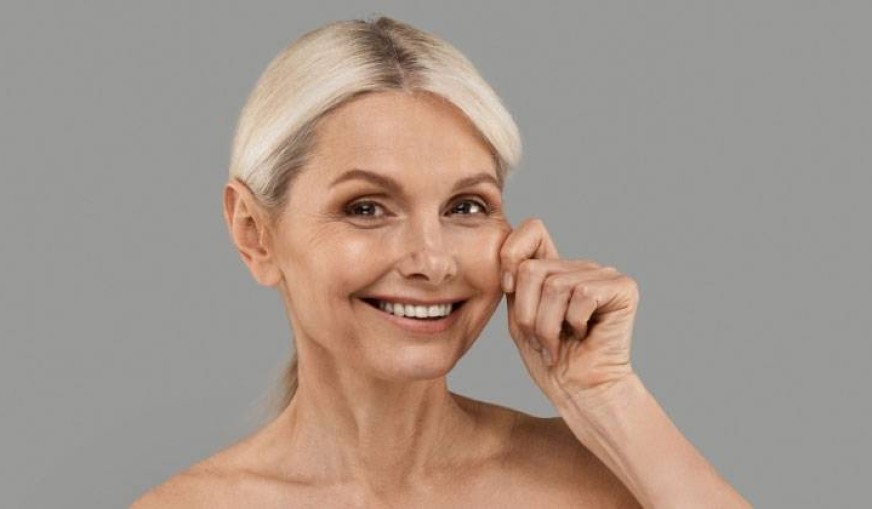
Over time, the skin can lose elasticity and develop sagging and fine lines. Ageing, weight loss, pregnancy and environmental factors can all contribute to looser skin and reduced firmness. Today there are several approaches that people consider for skin tightening.
So what are the common skin tightening methods, and how do they differ? Here is an overview.
Why skin firmness matters
Over time, the skin produces less collagen and elastin, which can lead to looseness and sagging. Skin tightening procedures aim to support the structure of the skin for a firmer, healthier look.
Skin tightening methods are commonly considered for:
- Sagging skin linked to ageing
- Loose skin after sudden weight loss
- Changes in the skin after pregnancy
- Sagging skin on the face, neck, abdomen, arms and legs
- The appearance of cellulite and uneven skin
Modern devices, natural methods and medical procedures may all be used to support skin elasticity.
Common skin tightening methods
The techniques used for skin tightening fall into two groups:
- Professional, device-assisted treatments
- Natural methods that can be used at home
1. Radiofrequency (RF) skin tightening
Radiofrequency (RF) technology delivers controlled heat to the deeper layers of the skin with the aim of supporting collagen production. The aim is to firm and tone the skin for a younger-looking appearance.
Points to know:
- It is non-surgical.
- It can be used on different areas of the body.
- It targets the deeper layers of the skin.
- It aims to support skin elasticity. Results vary and sessions are usually repeated.
Where is it used?
- Face and neck
- Abdomen and waist
- Arms and legs
- Areas with cellulite
RF also aims to support circulation in the treated area.
2. Microneedling radiofrequency ("golden needle") for skin renewal
Microneedling radiofrequency, often called "golden needle", is a method used for skin renewal and tightening.
In this method, micro-needles deliver radiofrequency energy to the deeper layers of the skin, with the aim of supporting collagen production. It is used to support skin renewal and firmness.
Points to know:
- It is used on the face and also on areas such as the abdomen, arms and legs.
- It is also used with the aim of improving the look of pores, fine lines and skin tone.
- Results vary from person to person, and the skin needs time to recover after treatment.
It is one of the non-surgical options people consider for skin renewal, and it should be carried out by a qualified professional.
3. HIFU (high-intensity focused ultrasound) for the face and body
HIFU (high-intensity focused ultrasound) is a technology used in non-surgical face and body tightening treatments.
In this method, focused ultrasound waves are delivered beneath the skin with the aim of tightening and lifting the tissue.
Points to know:
- It can be used on the face, neck, décolleté and some areas of the body.
- It targets deeper layers beneath the skin, including the SMAS layer (the layer that is tightened in surgical lifts).
- It aims to stimulate collagen production, and the effect develops gradually over time.
- How long results last, and how many sessions are needed, differs from person to person.
For people who do not want surgery, HIFU is one of the options that may be discussed with a professional.
4. EMS muscle stimulation
EMS (electromagnetic muscle stimulation) works the muscles deeply and may support body tone.
In this method, high-intensity electromagnetic waves are sent to the muscles to make them contract, with the aim of supporting muscle tone in the treated area.
Where is EMS used?
- Abdomen
- Hips and thighs
- Buttocks
- Arms
For people who have little time for exercise, EMS may offer extra support for muscle tone, but it does not replace regular physical activity.
5. Hydrafacial and skin care
Professional skin care also plays a part in supporting the skin. Hydrafacial cleanses the skin deeply, nourishes it and uses serums with the aim of supporting hydration and the look of the skin.
- It provides intensive moisture, which can help the skin look plumper.
- It may improve the look of skin texture and tone.
- It supports the skin barrier.
Regular facials can support the overall look of the skin.
Natural habits that support skin firmness at home
1. Collagen and vitamin C supplements:
- Some people take collagen supplements to support skin elasticity, but the evidence is mixed. Please check with your doctor or dietitian before using a supplement.
- Vitamin C plays a role in the body's own collagen production.
2. Skin massage with natural oils:
- Massage with natural oils such as almond oil, coconut oil and jojoba oil can nourish the skin.
3. Cool showers:
- Cool water can stimulate circulation and leave the skin feeling refreshed.
4. Exercise and yoga:
- Regular exercise strengthens the muscles beneath the skin and supports a firmer look.
Choosing the right method
Skin tightening treatments work differently for different people. Before choosing a method, it is important to speak with a qualified professional about your own skin, health and expectations.
- Modern devices such as RF, microneedling RF, HIFU and EMS are options that people consider.
- Natural habits can support your skin in the longer term.
Results vary from person to person, and it is wise to get professional advice before starting any treatment.
This article is for general information only; please consult your doctor and dietitian about your own situation.
Book an appointment for a personalised nutrition plan
The information in this article is general; what you need depends on your age, health and goals. Message us and we will build the plan that suits you together.

This content is for information only. For a personalised nutrition programme, please consult a dietitian.


