

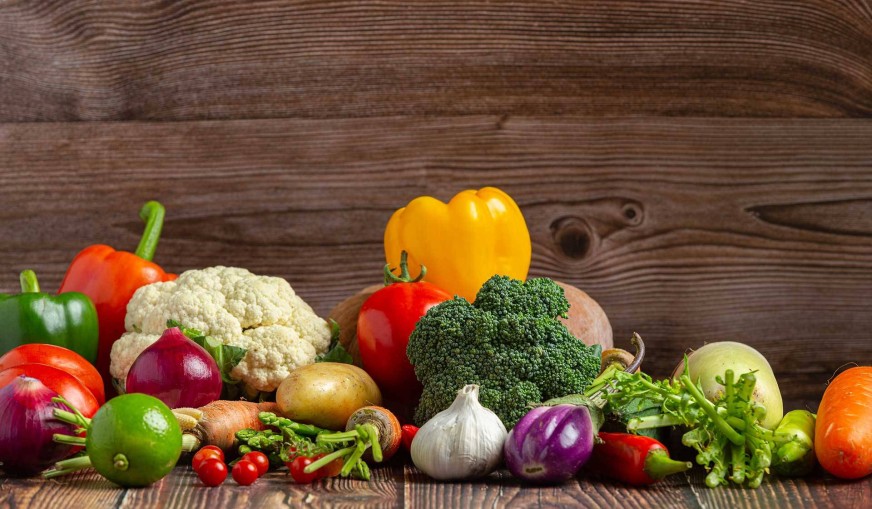
To adopt a healthy lifestyle it is important to look at our eating habits and follow a more balanced diet. Eating vegetables is one of the cornerstones of a healthy diet and offers many benefits for our bodies. However, some people may not eat enough vegetables, or may neglect them in their diet.
Good Reasons to Eat Vegetables
The reasons to eat vegetables regularly are:
They Are a Source of Vitamins and Minerals
Vegetables are foods rich in vitamins and minerals. Many vegetables contain many of the important vitamins and minerals the body needs. Vitamins and minerals such as A, C, K, folate, potassium and magnesium in particular are found in abundance in vegetables. These nutrients help your body work healthily and contribute to the normal function of the immune system.
They Are a Source of Fibre
Vegetables are foods rich in fibre. Fibre is important for digestive health and helps regulate the digestive process. Fibre can also increase the feeling of fullness and support weight management. The fibre in vegetables supports digestive health, can help with constipation and is part of an eating pattern that supports heart health.
They Contain Antioxidants
Vegetables are a rich source of antioxidants. Antioxidants help protect cells from damage by neutralising free radicals. Antioxidants such as beta-carotene, lycopene, vitamin C and vitamin E, found especially in colourful vegetables, are being studied in relation to long-term health.
They Support Weight Management
Vegetables, with their low calories and high fibre content, can support weight management. Eating more vegetables may mean you take in fewer calories, and by increasing the feeling of fullness they can reduce the risk of overeating. Eating vegetables can also be part of a balanced approach to healthy weight management.
They Support Digestive Health
Vegetables play an important role in supporting digestive health. Because they are rich in fibre, they help regulate the digestive process. Eating vegetables also supports digestive function, which can ease digestive complaints such as constipation, gas and bloating.
They Offer Variety and Flavour
Vegetables are a food group with a great deal of variety, and they come in many different types. Eating vegetables of different colours and textures increases the variety of a healthy diet and enriches the flavour of your food. Trying different vegetables is a great chance to discover new flavours and improve your cooking skills.
They Are Part of a Healthy Ageing Diet
Eating vegetables is part of an eating pattern that supports healthy ageing, thanks to the antioxidants in vegetables. Antioxidants help protect cells from damage, and a diet rich in vegetables supports healthy skin, a well-functioning immune system and general health.
They Support Hydration with Their Water Content
Many vegetables support hydration with their high water content. Watery vegetables such as cucumber, celery and lettuce in particular are a great choice for meeting the body's need for water. Good hydration supports many body functions, from skin health to the digestive system, and so supports general health.
Vegetables are a basic part of a healthy lifestyle and offer many benefits for our bodies. As well as being rich in vitamins and minerals, they contain fibre, antioxidants and other components that are important for digestive health. By making vegetables an important part of your diet, you can support your general health and weight management. Remember to make vegetables part of your daily eating habits as you follow a balanced diet!
This article is for general information only; please consult your doctor and dietitian about your own situation.
Book an appointment for a personalised nutrition plan
The information in this article is general; what you need depends on your age, health and goals. Message us and we will build the plan that suits you together.

This content is for information only. For a personalised nutrition programme, please consult a dietitian.


