

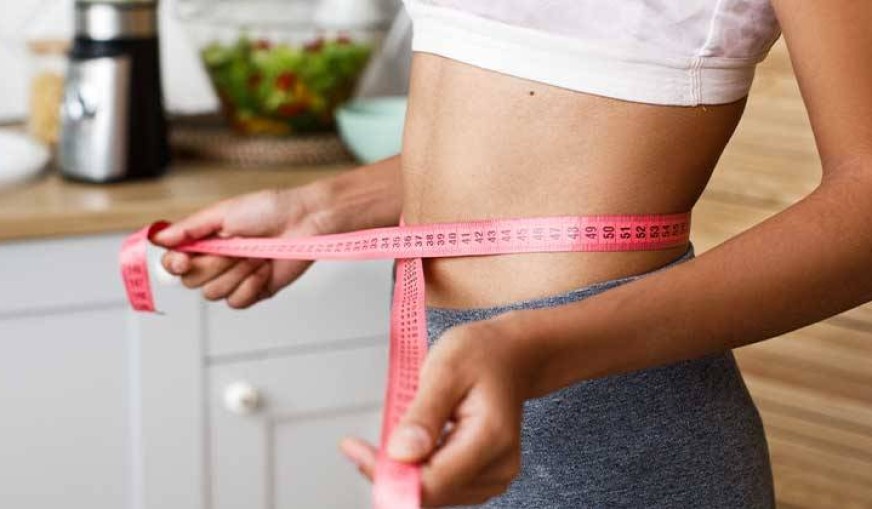
In short: What happens on the scales over 10 days differs from person to person. The general advice is to aim for a gradual, steady pace, and part of any early drop in the first days is water loss. Faster losses increase the risk of muscle loss and of regaining weight, so agree your own goal with your dietitian.
Many people who want to lose weight quickly look for an answer to the question "how much can you lose in 10 days?" Healthy weight management, however, is about more than numbers: it is about the body's needs and about protecting your health. In this article we bring together dietitians' views on what is realistic over a 10-day period.
Is Weight Loss in 10 Days Possible?
Some change on the scales over 10 days is possible, but how much depends on personal factors. The main factors that influence weight changes are as follows:
- Metabolic rate: How fast your metabolism works varies from person to person.
- Eating pattern: Balanced, healthy eating matters for managing your energy intake.
- Physical activity: Exercise is an important part of a healthy routine.
- Water intake: It helps the body get rid of excess fluid.
- Sleep and stress levels: Enough sleep and low stress support a weight-management journey.
What Is Realistic Within 10 Days?
In general, a healthy approach to weight management is a gradual, steady one rather than a quick fix. With low-carbohydrate or ketogenic-style diets, some of the early change on the scales is due to water loss rather than fat. Over a 10-day period most people see only a small change, part of it water, and results differ from person to person.
If there is a larger drop, much of it may be water and muscle. This is not healthy in the long term.
Suggestions for Healthy Weight Management Over 10 Days
- Work out your energy needs with your dietitian: Rather than cutting back sharply on your own, agree a sensible, personal plan.
- Include enough protein: Focus on protein sources such as chicken, fish, eggs and yoghurt.
- Limit sugar and processed foods: Foods that make blood sugar swing are worth limiting.
- Drink enough water: Spread your water through the day; if you have a heart or kidney condition, agree the amount with your doctor.
- Move regularly: Brisk walking or resistance exercise suits many people, once checked with your doctor.
- Look after your sleep: Enough sleep supports the balance of the hormones involved in appetite.
- Eat fibre-rich foods: Vegetables, fruit and wholegrains support digestion.
- Cut back on salt: Too much salt can cause fluid retention.
- Be mindful of snacking: Planned meals can help you feel steady between meals.
- Manage stress: Meditation, breathing exercises or yoga may help you reduce your stress levels.
The Risks of Rapid Weight Loss
Very rapid weight loss can contribute to some health problems:
- Muscle loss and a slower metabolism
- A weaker immune system
- Nutrient shortfalls (especially B12, iron and magnesium)
- Tiredness, dizziness and difficulty concentrating
- Gallstone formation
For this reason it is best to adopt a healthy diet and lifestyle and aim for sustainable change.
What changes in 10 days depends on personal factors. With a healthy and balanced way of eating, a small change may be seen over this period, but results differ from person to person. If you are aiming for more, always consult a nutrition specialist so that the process is managed safely. What matters is sustainable change, not speed.
This article is for general information only; please consult your doctor and dietitian about your own situation.
Book an appointment for a personalised nutrition plan
The information in this article is general; what you need depends on your age, health and goals. Message us and we will build the plan that suits you together.

This content is for information only. For a personalised nutrition programme, please consult a dietitian.


