

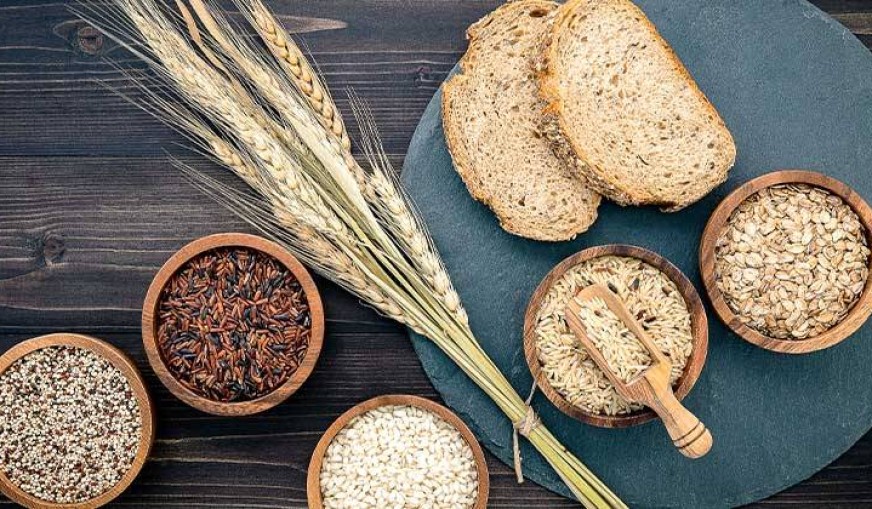
Yes, it is possible to get enough protein without animal foods. Plant proteins, eaten in sensible combinations, can meet the needs of muscle development, the immune system and general health. Here are ways and food sources for meeting your protein needs without animal foods:
1. Plant Protein Sources
Pulses and Legumes
- Lentils: About 9 grams of protein per 100 grams (cooked).
- Chickpeas: Rich in protein and fibre, and usable in many dishes.
- Beans (kidney, white, borlotti): A balanced source of protein and complex carbohydrate.
- Soya beans and tofu: With their high protein content, they have an important place in vegan eating.
Wholegrains and Pseudo-Cereals
- Quinoa: One of the few plant foods that contains all the essential amino acids.
- Oats: Contain amino acids important for muscle development.
- Brown rice: Offers a combination of carbohydrate and protein.
- Bulgur (cracked wheat): A wholegrain source with a useful amount of protein.
Nuts and Seeds
- Chia seeds: Rich in omega-3 fatty acids and protein.
- Flaxseeds: Contain fibre, which supports digestion, and protein.
- Almonds, hazelnuts, walnuts: A source of healthy fats and protein.
- Pumpkin seeds: Also rich in magnesium and zinc.
2. Making the Most of Plant Protein
Combinations for Complete Protein
Because many plant proteins are low in some amino acids, combining foods across the day can give you a complete protein profile:
- Lentils with brown rice
- Chickpeas with wholewheat bread
- Beans with sweetcorn
- Quinoa with vegetables
Meeting Daily Protein Needs
Needs differ between people, and your dietitian can give you a figure that suits you. As a general guide:
- For people with a light level of activity: about 0.8 to 1.2 grams of protein per kg of body weight a day
- For athletes and active people: about 1.6 to 2.2 grams per kg
3. Advantages of Plant Proteins
- Being rich in fibre, they support digestion.
- They can be part of a heart-friendly diet.
- Plant foods offer a wider variety of vitamins and minerals.
4. What to Watch to Avoid Shortfalls
- Vitamin B12: Because it is found only in animal sources, it needs to be supplemented, as advised by your doctor or dietitian.
- Vitamin C for iron absorption: Eat plant iron with citrus fruit to help absorption.
- Omega-3 fatty acids: Get them from sources such as walnuts, flaxseeds and chia seeds.
- Zinc and calcium: Include pumpkin seeds, dark green leafy vegetables and almonds.
It is possible to get enough protein without animal foods. By choosing the right plant sources and combinations, you can get the amino acids needed for muscle development and general health. With a balanced plant-based diet, meeting protein needs is quite manageable. Results vary from person to person.
This article is for general information only; please consult your doctor and dietitian about your own situation.
Book an appointment for a personalised nutrition plan
The information in this article is general; what you need depends on your age, health and goals. Message us and we will build the plan that suits you together.

This content is for information only. For a personalised nutrition programme, please consult a dietitian.


